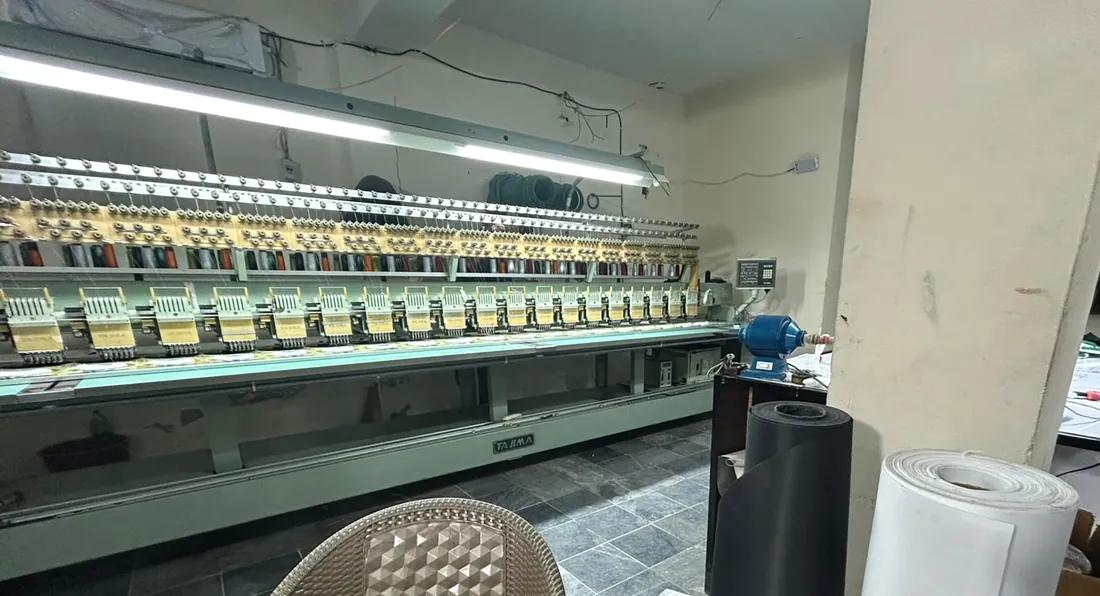
T-Shirts for Events: cost
Event t-shirts start from £11 a piece at the 50-piece minimum. Splitting crew kit from merch is the decision that moves the budget most.
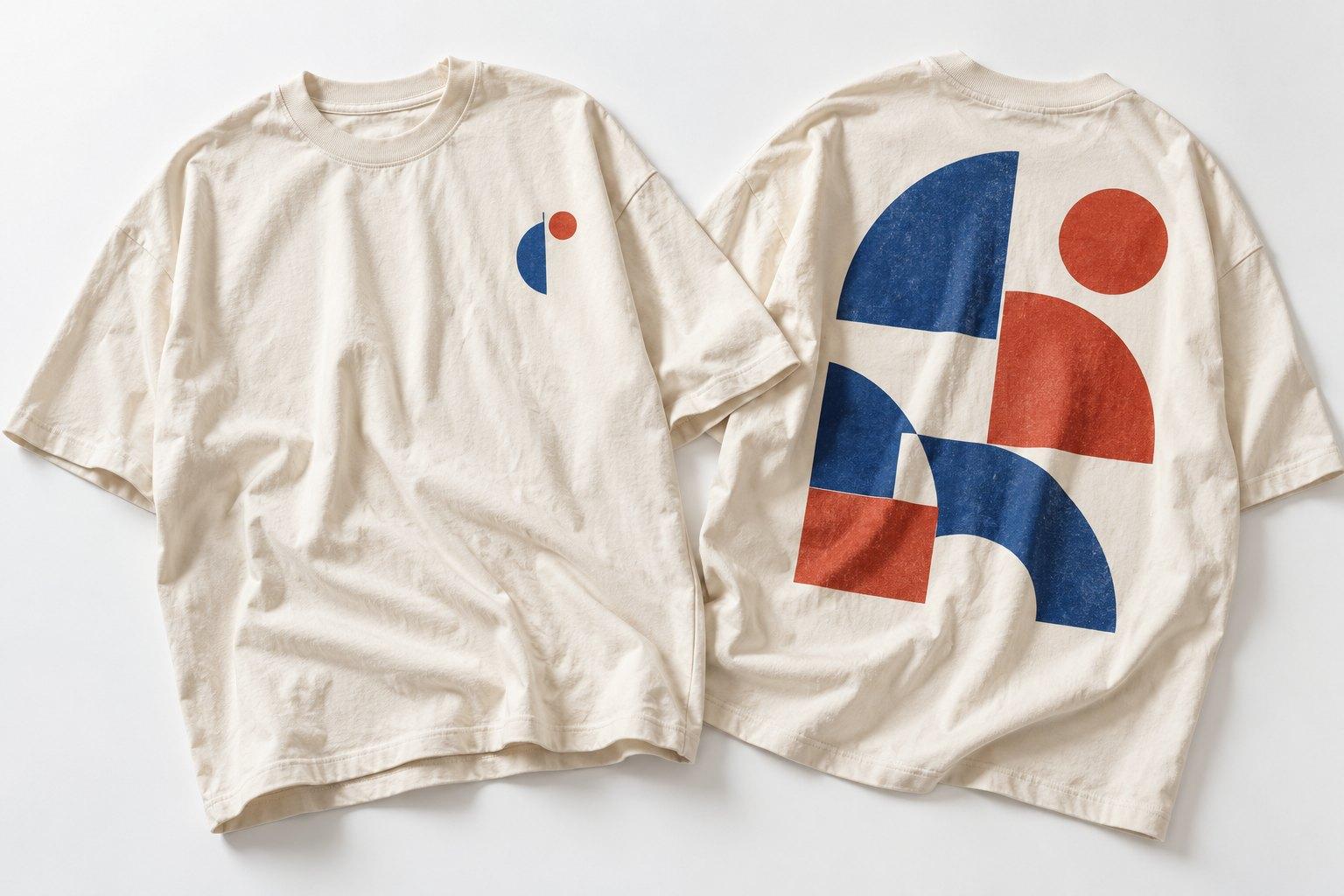
T-Shirts for Events: lead time
An event date does not move. Here is the backwards plan that gets shirts to load-in with room to spare.
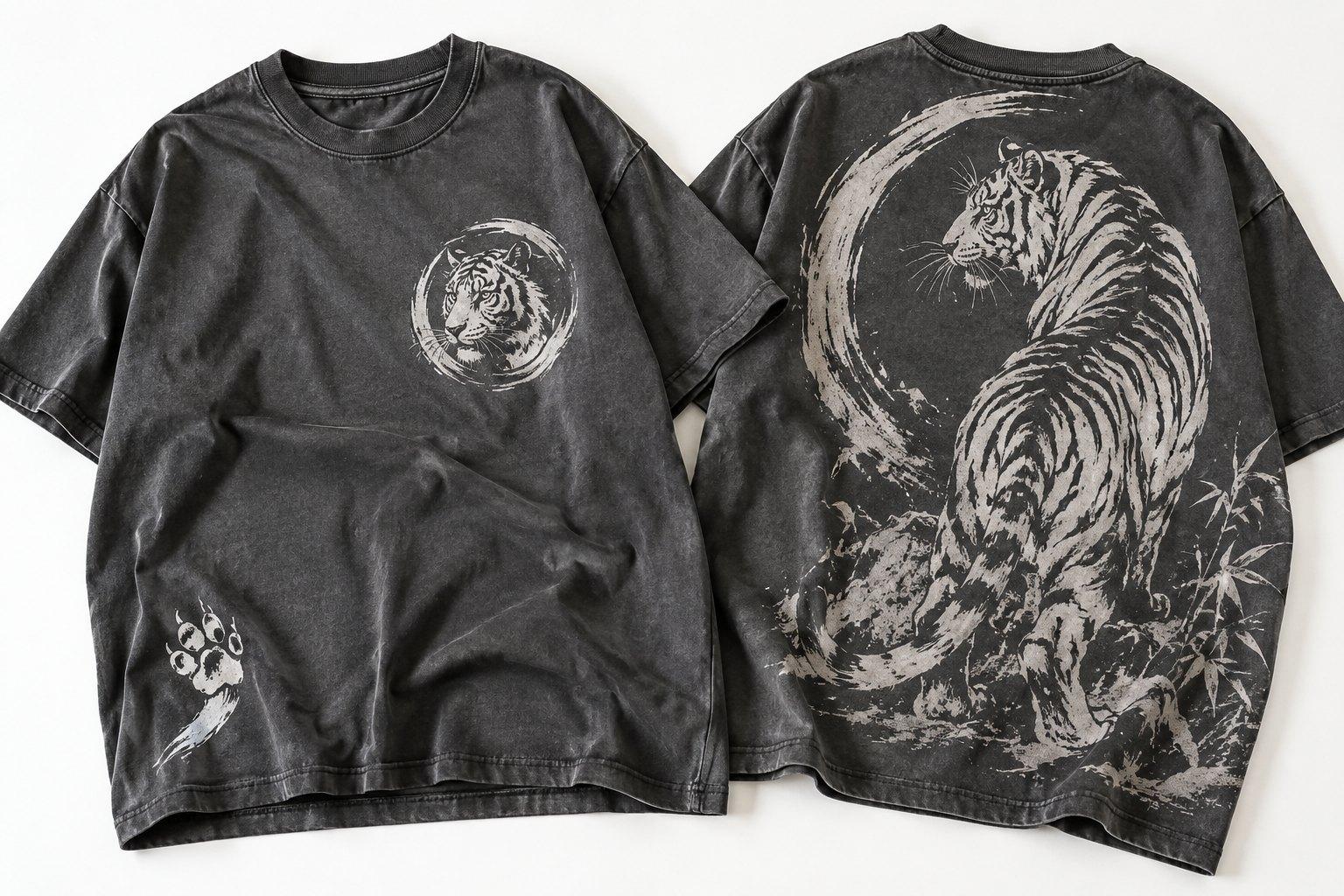
T-Shirts for Events: size splits
Crew sizes you can collect. Merch sizes you have to predict. Here is how to shape both curves without a pallet of unsold 3XL.
T-Shirts for Events: print or embroidery
Event artwork is busier than corporate artwork. Here is which method reproduces it, and what each choice does to the deadline.
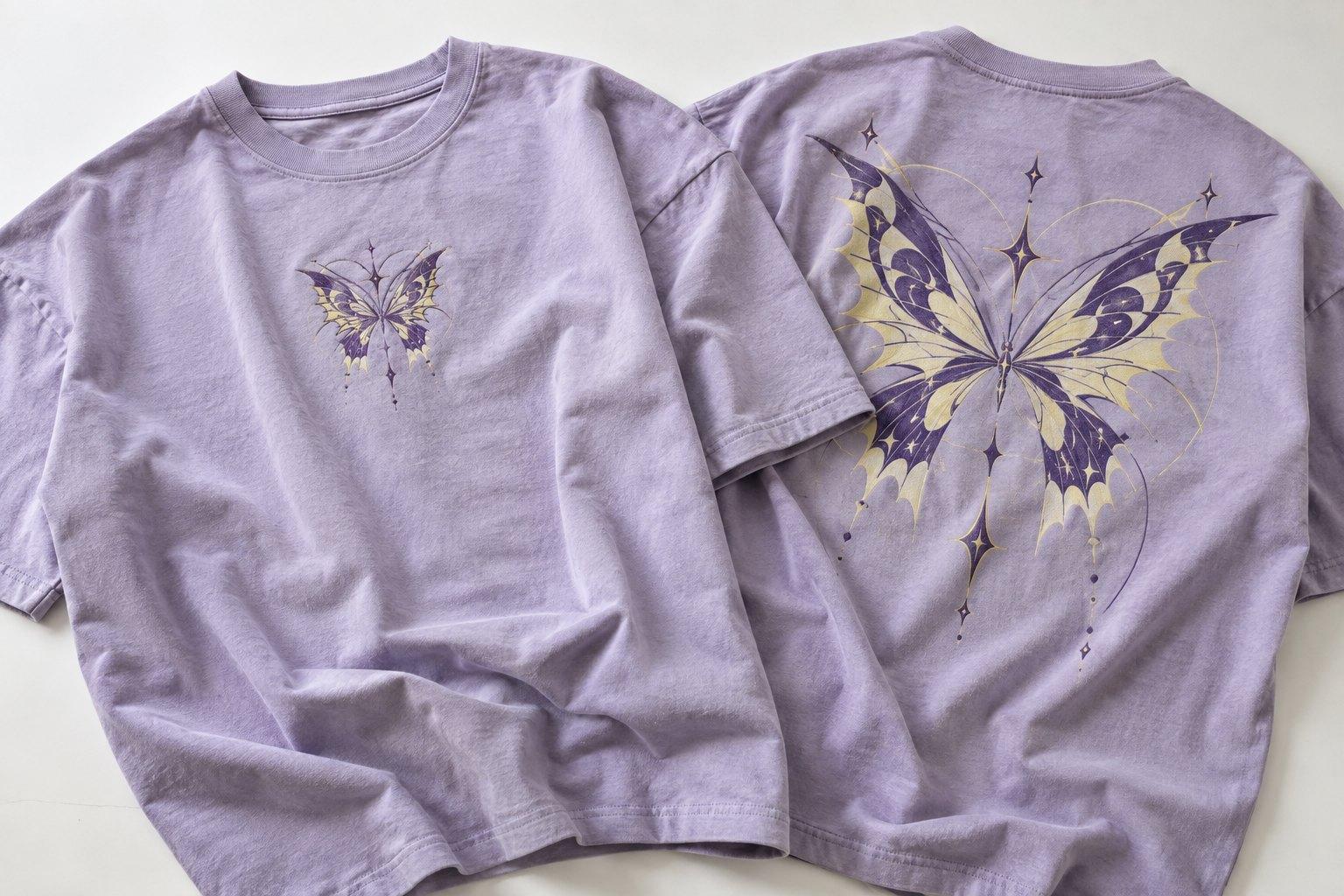
T-Shirts for Events: samples
No sample shirts: a first order can be a 20-piece production run instead. For an event with one immovable date, the real question is whether there is time.
T-Shirts for Events: reordering
You cannot restock mid-festival. Here is how event buyers handle repeat runs between dates, and what to record after the first one.
T-Shirts for Charities: cost
Charity t-shirts start from £11 a piece at the 50-piece minimum. Here is how the unit cost behaves, and how to set a price against it.
T-Shirts for Charities: lead time
Fundraising dates are fixed and trustee approval is slow. Here is the backwards plan that gets shirts on volunteers in time.
T-Shirts for Charities: size splits
Volunteers you cannot measure and supporters you cannot predict. Here is how to build a size curve that leaves the cupboard empty.
T-Shirts for Charities: print or embroidery
A charity shirt has to be readable across a room and survive a wash. Here is which method does which job, and what each costs you.
T-Shirts for Charities: samples
No sample shirt and no sample fee. A charity's first order can be a 20-piece production run instead. Here is when that is sensible and when it is not.
T-Shirts for Charities: reordering
Campaigns run again and volunteers turn over. Here is how to repeat a shirt without rebuilding everything the last team worked out.
T-Shirts for Bands: cost
Tour merch lives or dies on the margin between what a shirt costs you and what it sells for at the table. Here is the cost side, tier by tier.
T-Shirts for Bands: lead time
A merch order that arrives after the opening night is worthless. Work backwards from the first date and the timeline stops being tight.
T-Shirts for Bands: size splits
Merch-table sizing is not shop sizing. The middle empties first, the ends linger, and a boxy fit shifts the whole curve down.
T-Shirts for Bands: print or embroidery
Most band artwork is a big graphic in a handful of colours, which points straight at screen printing. The exceptions are worth knowing.
T-Shirts for Bands: samples
No sample, but a first order can be a 20-piece production run: the place to catch a print problem before a whole tour run. What to look at when the boxes arrive.
T-Shirts for Bands: reordering
Selling out sounds good until you are three weeks from the last date with an empty box. Restocking is a scheduling problem, not a printing one.
T-Shirts for Clothing Brands: cost
The garment price is the easy part. Neck labels, swing tags and packaging are what decide whether your retail price actually works.
T-Shirts for Clothing Brands: lead time
A drop date is a promise to an audience. Work the calendar backwards from it and the production window stops being the risky part.
T-Shirts for Clothing Brands: size splits
Dead stock is almost always a sizing decision made before anyone had data. Here is how to make that first guess a good one.
T-Shirts for Clothing Brands: print or embroidery
Decoration is where a blank stops being a blank. The method you choose says more about the brand than the graphic does.
T-Shirts for Clothing Brands: samples
A 20-piece first run is the last small place to change your mind before a whole drop. Here is the checklist that makes it earn its keep.
T-Shirts for Clothing Brands: reordering
Restocking looks like the safe decision and sometimes is not. The question is whether the design sold out or was simply under-ordered.
T-Shirts for Cafes: cost
A small team and a fifty-piece minimum sound like a mismatch. Counted per person per year, the numbers land differently.
T-Shirts for Cafes: lead time
Nobody orders staff shirts early. Opening dates and new-starter waves are both predictable, which makes the timing easy to fix.
T-Shirts for Cafes: size splits
Staff sizing is not guesswork like retail sizing. You know exactly who is wearing them, which makes over-ordering the middle a mistake.
T-Shirts for Cafes: print or embroidery
Staff shirts get washed hot, often. The decoration that looks best on day one is not always the one still readable in month six.
T-Shirts for Cafes: samples
A staff shirt has to survive a shift and a hot wash. A 20-piece first run lets you find that out before you own fifty of them.
T-Shirts for Cafes: reordering
Staff kit runs out quietly. A reorder trigger based on your buffer, not the calendar, is what stops new starters wearing their own clothes.
T-Shirts for Retailers: cost
A retailer buys on landed cost, not on a from-price. Here is everything that sits between the £11 and the ticket on the rail.
T-Shirts for Retailers: lead time
For a retailer, lead time is not a delivery question. It is what decides how early you have to commit to a season.
T-Shirts for Retailers: size splits
Dead stock in a retail t-shirt run is almost always a sizing decision, not a demand problem. Here is how to build the curve before you commit the 50.
T-Shirts for Retailers: print or embroidery
The decoration method you pick shows up in the hand-feel of the garment, the wash life of the graphic and the price you can charge for it.
T-Shirts for Retailers: samples
There are no samples, so a 20-piece first run is the low-risk step in a t-shirt order. Here is exactly what to inspect on it before a full 50-piece run.
T-Shirts for Retailers: reordering
The second run of a t-shirt is easier than the first, but colour drift and timing are the two things that quietly ruin a restock.
T-Shirts for Agencies: cost
Agency budgets have to be right before the client signs them off. Here is how a bulk t-shirt price is actually built up, line by line.
T-Shirts for Agencies: lead time
Production is the predictable part of an agency t-shirt order. The days that get lost are the ones before artwork approval.
T-Shirts for Agencies: size splits
Campaign tees usually go to people nobody has measured. A defensible size split is the difference between full coverage and a box of XS.
T-Shirts for Agencies: print or embroidery
Client brand guidelines and print methods do not always agree. Here is how to reconcile them before artwork goes to approval.
T-Shirts for Agencies: samples
A 20-piece first run puts real tees in front of a client instead of a render. Here is how to use that meeting properly.
T-Shirts for Agencies: reordering
The second run of a campaign tee should cost less and take less managing. It only does if the first one was recorded properly.
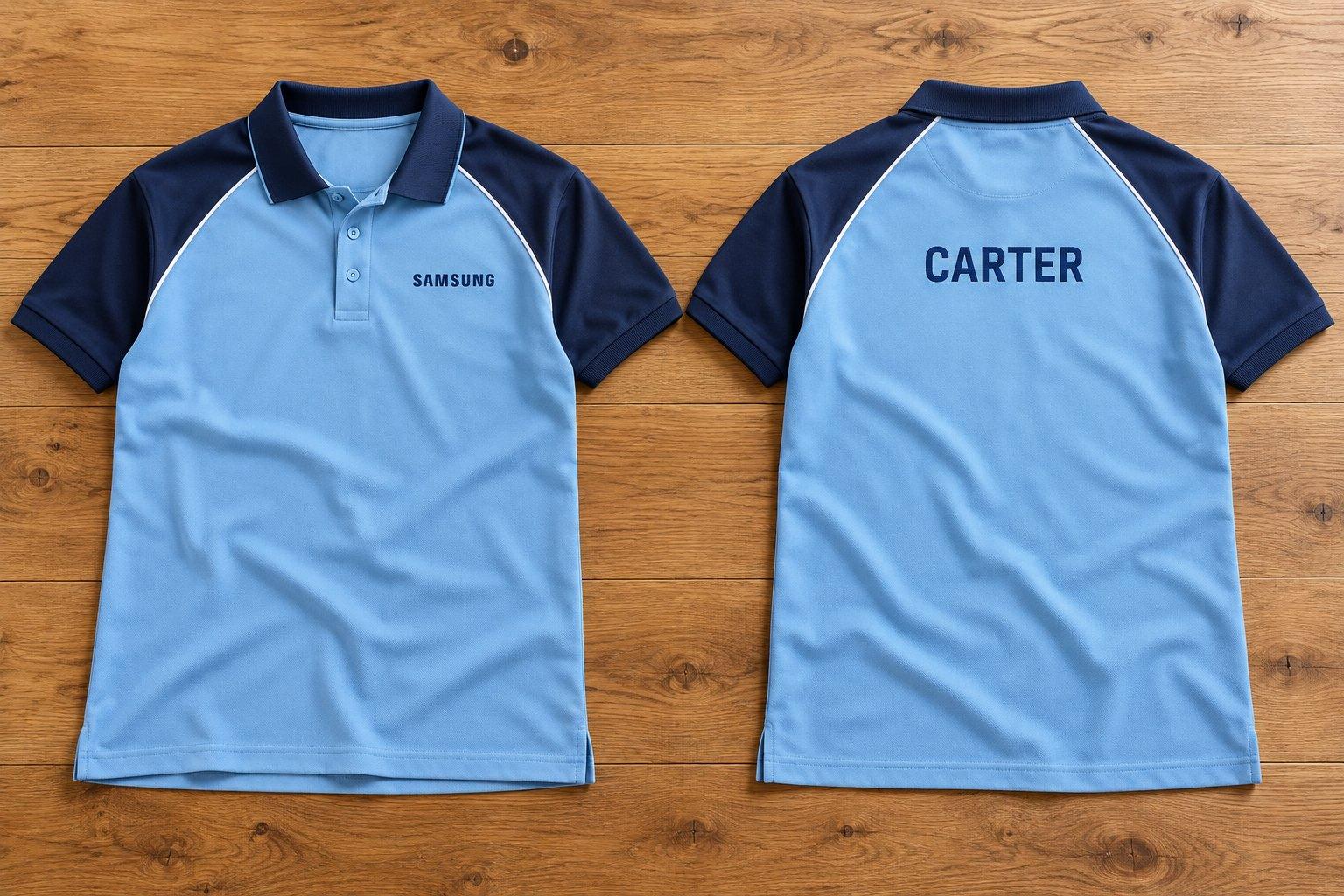
Gyms: Ordering Polo Shirts in Bulk
Gym polos get washed harder than almost any other branded garment. Here is what to specify before the order goes in.
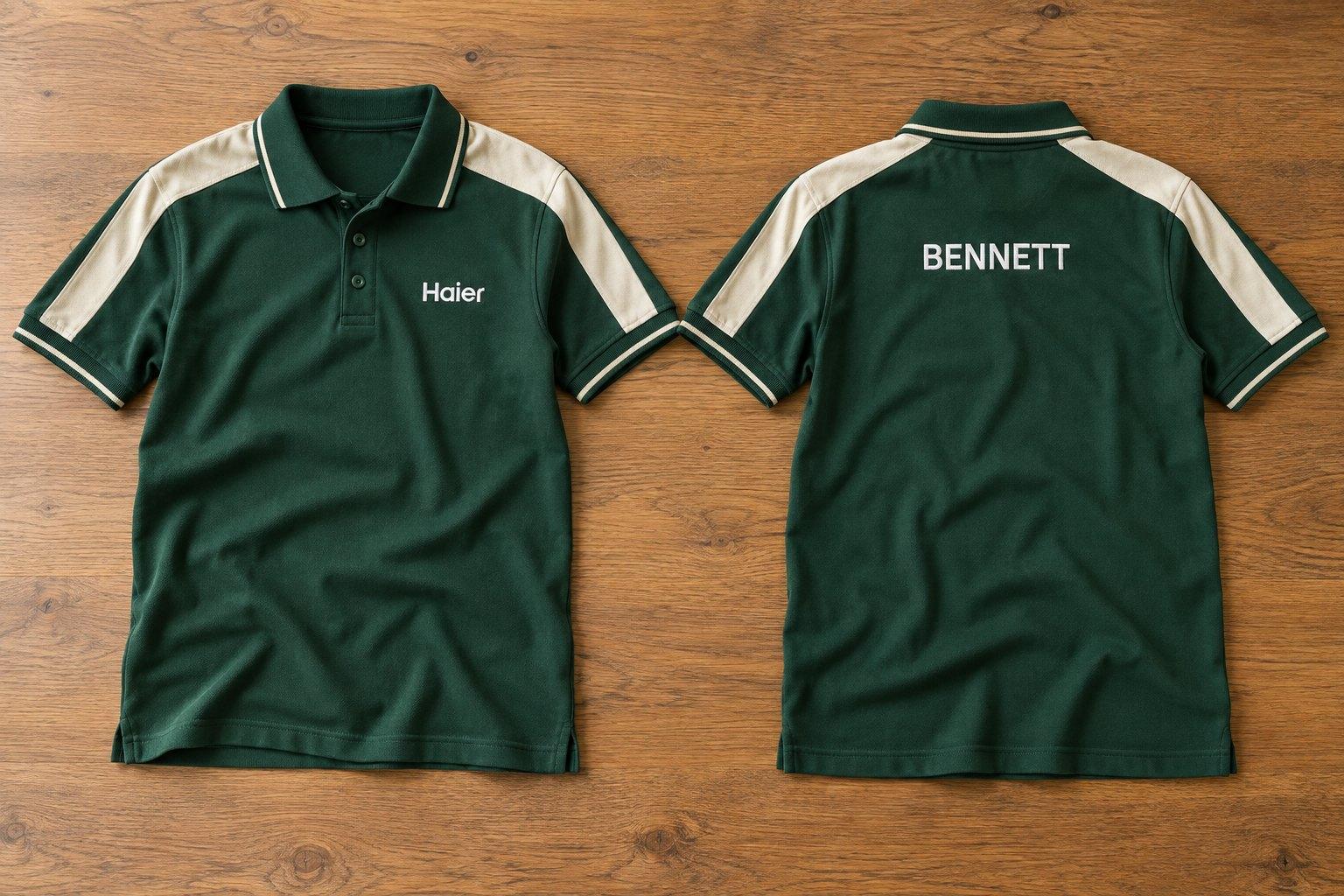
How Schools Buy Polo Shirts Wholesale
School polo orders run against dates that cannot move. Here is how to place one so it lands before term, not during it.
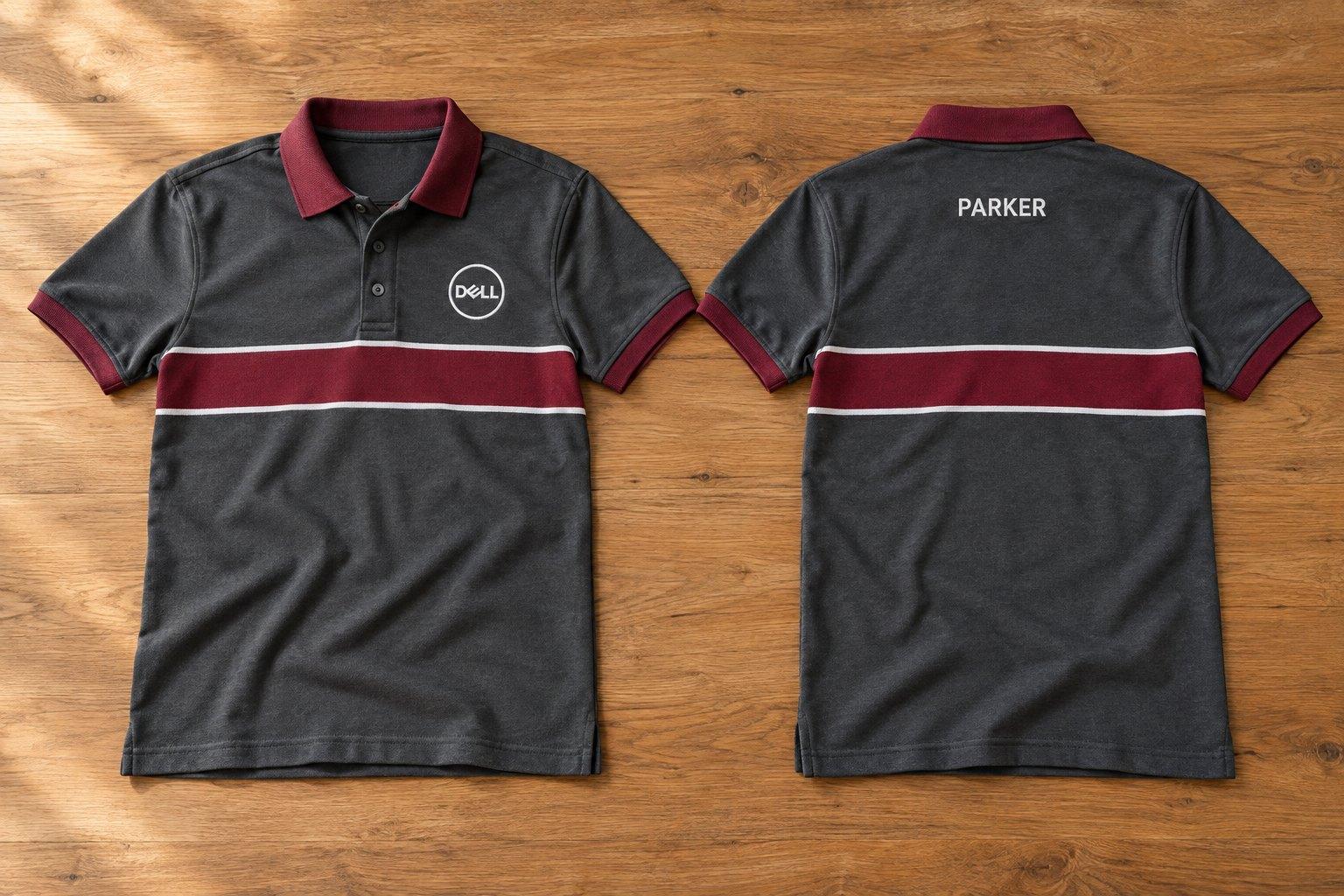
Polo Shirts for Restaurants, Ordered Properly
Kitchen heat, spilled sauce and a nightly wash cycle decide what a restaurant polo should be made of. Colour choice does the rest.
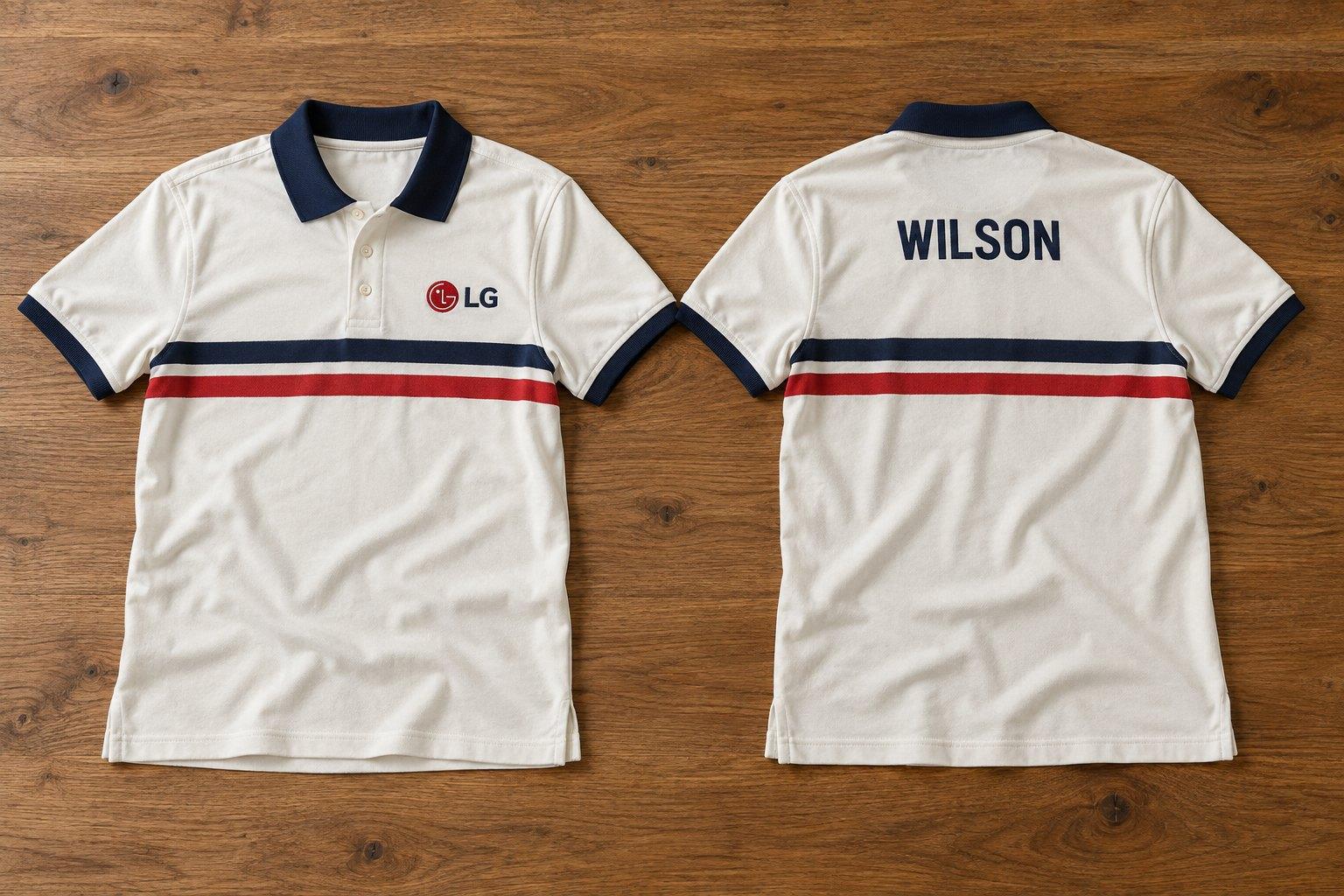
Wholesale Polo Shirts for Trades
A site polo has to work under a hi-vis vest, survive the van and still look like a company shirt on a customer's driveway.
Bulk Polo Shirts for Sports Clubs: A Buyer's Guide
Club polos carry a sponsor, a crest and sometimes a number. Each of those decisions changes what the order costs and when it has to be placed.
Offices: Ordering Polo Shirts in Bulk
An office polo order is really a stock decision. Buy for the next twelve months of joiners, not for today's headcount.