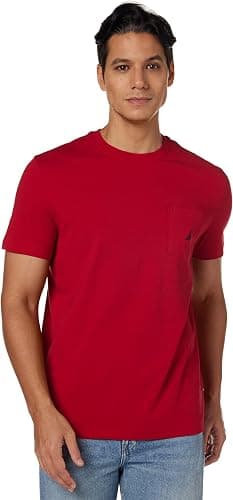
T-Shirts for Charities: size splits
By The Velocity Wear Team
A charity can split its 50 t-shirts across sizes freely - the minimum is 50 per design, not 50 of one size. The difficulty is that charity orders mix two populations: volunteers you can name and ask, and supporters you cannot. Size the first group exactly, weight the second towards the middle of the range, and keep the extremes to token quantities.
How should a charity split 50 shirts?
Build the curve from the list you have. Count the named volunteers, staff and committee members who need a shirt and put a size against each one. Whatever is left of the 50 is your supporter and contingency stock, and that portion should sit heavily in medium and large. A flat split across every size looks equitable and produces a cupboard of unworn extra small in January, which is money the campaign raised and then spent on nothing.
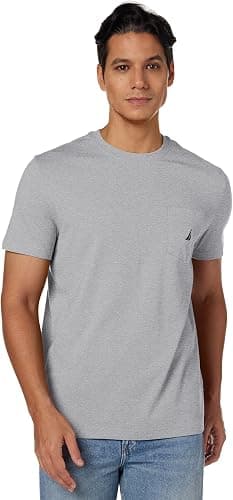
How do you size volunteers you have never met?
Ask, with a measurement chart rather than only letters, and give a deadline with a stated default. Charity volunteers are generous with their time and slow with forms, so the default matters more here than in most sectors.
- Publish chest measurements next to the size options, because letters mean different things across garment ranges.
- State clearly what a non-responder will be issued, and issue exactly that.
- Ask whether the fit is regular or boxy in the form, since a boxy cut runs wider and shorter.
- Collect sizes at the same time as any other volunteer signup form, not in a separate message.
If you are ordering a fit or weight the group has not worn before, a sample settles it for £150 credited against the bulk order - the charity sample post covers what it tests.
What about shirts sold to supporters?
Those behave like merchandise rather than uniform, and merchandise sells from the middle out. Weight the run towards medium and large, keep a smaller allocation either side, and take extremes only if you have a specific reason. Where a charity is selling at an event rather than shipping to order, running out of the popular sizes early effectively ends the sale, so it is better to be deep in two sizes than shallow in six. Charity t-shirt cost covers how unsold stock changes your real cost per sold shirt.
How do you avoid dead stock after the campaign?
Two decisions, both made before you order. Keep dates and specific event names off the main graphic so surplus stock still works next year, and order against demand you are confident of rather than demand you hope for. A charity that sells out and disappoints twenty people has done better financially than one that satisfies everybody and boxes up sixty shirts. If a second run does become necessary, it is a full production cycle - charity reordering explains what that involves.
What should you record for next time?
Count the leftovers by size at the end of the campaign, while someone still cares enough to do it properly, and note which sizes ran out first. Two campaigns of that record turn guesswork into a curve you can trust. Store it with the artwork and the job reference rather than with the person who organised it. The charities and fundraising page and the wholesale t-shirts page are where to start the next order.