T-Shirts for Charities: samples
By The Velocity Wear Team
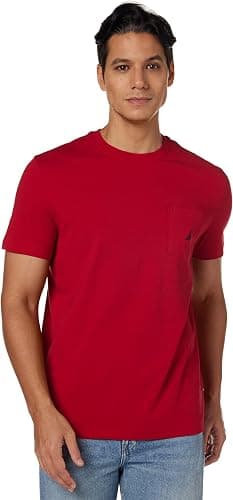
A charity t-shirt sample costs £150, credited against the bulk order when you place it. You get one finished shirt in the fabric weight, colour and decoration you have specified, carrying your real logo. For a campaign spending restricted funds, the sample is the only way to see what the run will look like before the money is committed, and the fee comes back off the invoice.
Should a charity spend £150 on a sample?
Judge it against the size of the run and who wears the shirt. A 500-piece supporter run being sold at £20 a shirt justifies a sample easily, and the fee is credited anyway. A 50-piece marshal shirt with a one-colour logo probably does not need one, because a proof answers most of the questions. Samples are never free, so the honest framing for a trustee is that it is a timing cost on a campaign that proceeds, and a small write-off on one that does not.
What does the sample let you test?
Things a PDF proof cannot show. Whether the logo colour matches your brand palette on fabric rather than on a backlit screen. Whether the shirt holds shape after washing, which matters if supporters are paying for it. Whether the weight is right for the conditions - a 150 GSM shirt is comfortable on a summer fun run, a 240 GSM one suits autumn street collections. And whether partner marks are legible at the size the layout gives them, which is the check most likely to change a design.
Who should see it before you commit?
More people than usually do. Put it in front of whoever guards brand usage, because that person will otherwise raise an objection after the run is printed. Show it to one or two volunteers to check fit and comfort. If partner logos appear, send a photograph to the partners so their approval is on a real garment rather than a layout. Doing all three before artwork approval is faster than doing any of them afterwards - charity lead times shows where the days go if you do not.
How does it fit the campaign timeline?
In front of the 10-15 working day production window, not inside it. So the sequence is: sample request, sample arrives, review it properly, approve production artwork, 10-15 working days, transit, then distribution to volunteers. Order it during the design stage rather than after everything is agreed, and allow at least a week to review it, because the useful tests involve wearing and washing the shirt rather than looking at it on a desk.
What if there is no budget or no time for one?
Lower the risk in the design instead. One print position, two colours, a garment colour you have used before, a weight you already know. Print the artwork at actual size on paper and check it at arm's length, which catches most legibility problems for nothing. And be cautious with the quantity: a design nobody has seen on cloth is not the one to commit a thousand pieces to. When you are ready to price the run, the wholesale t-shirts page has the from-price, and the charities and fundraising page covers what campaigns usually order alongside shirts. The wider fundraising arithmetic is in charity t-shirts for fundraising.