How Restaurants Buy T-Shirts Wholesale
By The Velocity Wear Team
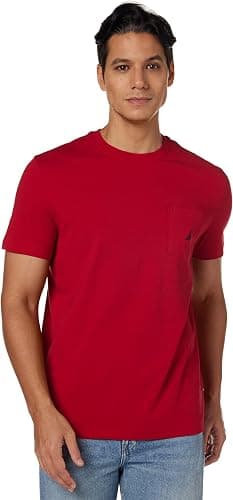
Restaurants buy t-shirts from 50 pieces per design, from $13 each, with sizes mixed inside the 50. The specification question is heat and staining. Kitchen shirts work in high temperatures and need a weight that does not cling; floor shirts are seen by customers and need to still look presentable in week twelve. Most sites end up with a mid-weight cotton tee and a generous replacement buffer.
How many shirts does a restaurant actually need?
More than headcount. Hospitality uniform is worn every shift and laundered constantly, and staff turnover means shirts leave with people. A workable rule is three per person for front of house and rather more for kitchen, then a float of unallocated shirts in the sizes that move fastest. Because the minimum is 50 per design and the per-piece price drops as quantity rises — up to 35% off the 50-piece figure at the top tier — ordering the float in the same run is usually cheaper than a top-up order later, which would carry its own minimum of 50.
What survives a kitchen?
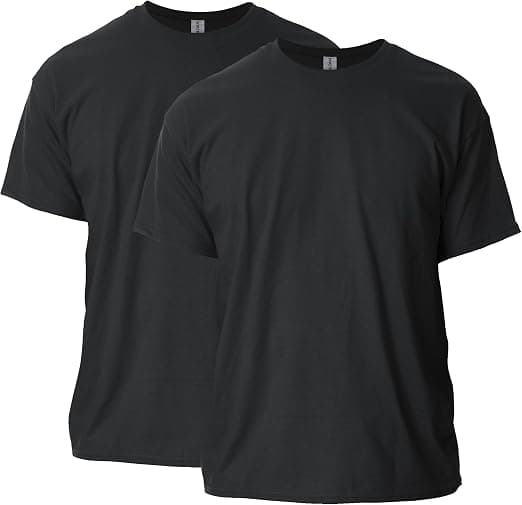
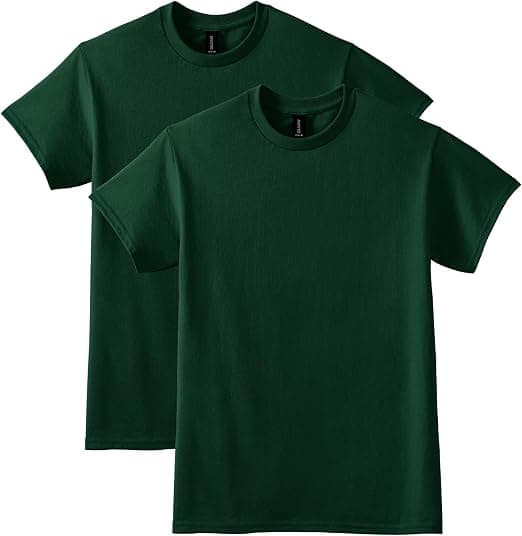
Heat, grease and repeated hot washing are the three forces at work. Combed ring-spun cotton between 150 and 240 GSM handles all three better than a thin generic jersey, because combing removes the short fibres that pill and a heavier body resists thinning at the shoulders. Dark colours hide the inevitable marks and are far more forgiving over a uniform cycle than light ones — a white tee looks superb in week one and tired in week five. A boxy fit gives more air through the body, which matters on a line. Consider a separate colourway for kitchen and floor if the sites are large enough to justify two designs of 50.
Print or embroidery for a restaurant?
For a small chest logo on a staff tee, both work and the deciding factor is usually laundering. Embroidery does not crack or fade, so it stays sharp through an aggressive wash routine, though it adds bulk on a lightweight shirt. Screen printing is more economical across a larger order and is the obvious choice if the design is large or includes a back print with a site name. DTF handles multi-colour artwork without a per-colour setup. The base fabric quality affects all of them, which is the subject of the best blank t-shirt brands compared.
How do multi-site groups handle it?
Consolidate. One design ordered once for every site reaches a higher quantity tier than four sites ordering separately, and it guarantees the shirts match across the group — separate runs can land on slightly different dye lots. Allocate from a central delivery, or ask for the order split at dispatch. Invoicing is available in seven currencies if the group operates across borders. The wider approach for uniform programmes is set out in bulk t-shirts for offices.
How do you size a team that keeps changing?
Hospitality turnover makes a precise size list worthless within a season, so do not build the order around today's rota. Order to a curve rather than to names: heavy in the middle sizes, short at both ends, and generous enough overall that a new starter can be kitted out from the cupboard on their first shift. Record what actually gets issued over the first few months, because that tells you which sizes to weight next time far better than a headcount ever will. Sizes mix freely inside the 50-piece minimum at no extra cost, so there is nothing to gain from trimming the range for its own sake.
Weights, fits and from-prices are on the wholesale t-shirts page, and the restaurants and hospitality page covers aprons, polos and the rest of a hospitality kit list.