T-Shirts for Trades, Ordered Properly
By The Velocity Wear Team
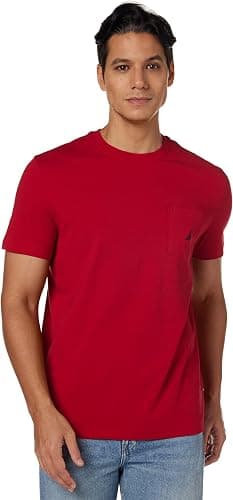
Work t-shirts for a trades business start at $13 a piece from 50 pieces per design. Two things decide whether the order was a good one a year later: weight, because site wear destroys thin cotton, and sizing, because the size curve on a site crew runs larger and broader than a general population curve. Get both right and the same order covers two seasons.
What weight holds up on site?
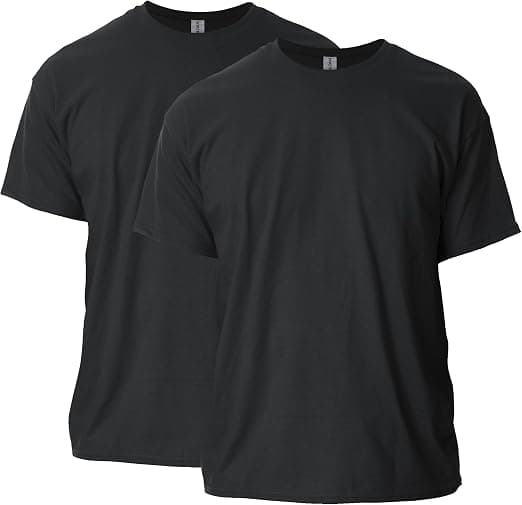
The heavier end of the range. Combed ring-spun cotton runs 150 to 240 GSM, and site work belongs at 200 GSM and above. A light tee abrades at the shoulders under a tool belt strap and a harness, thins through the back where it rubs on a seat or a ladder, and loses its neck shape after a fortnight of being pulled on over boots and off over a helmet. The heavier body resists all of that, and combed cotton specifically resists pilling, which is what makes a cheap tee look scruffy long before it actually fails. Dark colours are the practical choice for obvious reasons.

How does layering change the specification?
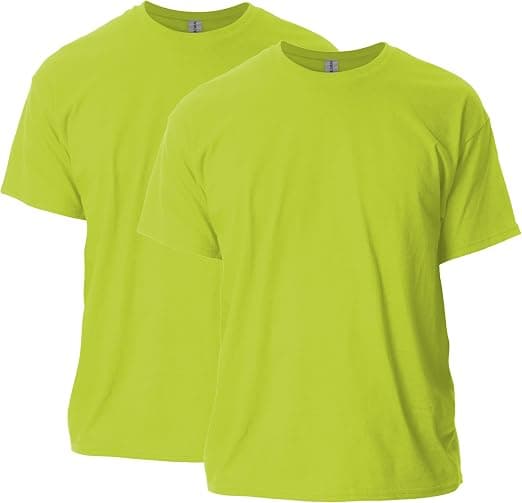
A site tee is rarely the outer layer. It sits under a hi-vis vest for most of the working day, which means anything printed on the chest is hidden and anything printed on the back is partly covered. Put the company name where it can actually be seen: a sleeve print, a large back print positioned high enough to clear the vest, or both. Some trades order the tee to carry only a small chest mark and let the hi-vis layer do the branding. Decide that before artwork rather than after, because it is the single most common wasted print on a trades order.
Fit matters for the same reason. A boxy cut worn under a vest bunches; a regular fit layers more cleanly.
How should a trades business split the sizes?
Ask the crew and order to the answers. A site size curve typically sits further up the range than a general one and needs real coverage at the large end, which is exactly where a default curve under-orders. Because sizes mix freely inside the 50 at no extra cost, there is nothing to gain from squeezing the range — the only cost of a wide curve is the shirts nobody claims. The method for getting this right is in apparel sizing and fit.
What does the order cost across a year?
Price it per shirt per season rather than per shirt. A heavier tee costs more up front and lasts long enough to change the arithmetic, especially against the replacement cycle a thin one forces. Volume helps too: the per-piece price falls as quantity rises, up to 35% off the 50-piece price at the top tier, so a firm with three crews is better ordering once than three times. The cost structure behind a bulk tee order is broken down in bulk custom t-shirt pricing.
Does branding a work tee actually earn anything?
It does, in a way that is easy to underestimate. A domestic job puts your crew in someone's house and street for a week, and a clearly named shirt is the difference between neighbours knowing who did the work and neighbours knowing nothing. That is also why the print needs to carry a trade and a way to get in touch rather than only a logo — a name with no context tells a passer-by nothing. Keep it legible at a distance, in a colour that contrasts properly with the garment, and put it where a hi-vis layer will not swallow it.
The same shirt does a second job on commercial sites, where crews from several firms work alongside each other and a site manager needs to identify people at a glance. Consistency matters more than design cleverness for that purpose.
Weights and current from-prices are on the wholesale t-shirts page, and the construction and trades page covers workwear, hoodies and the rest of a site kit list.