Offices: Ordering Polo Shirts in Bulk
By The Velocity Wear Team
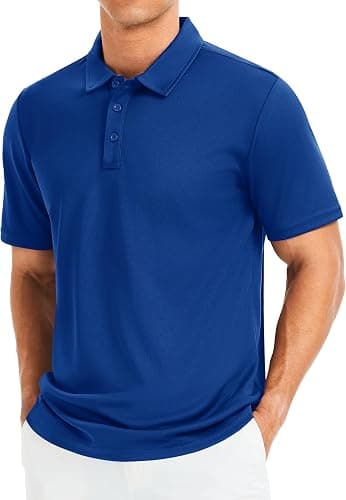
An office polo order works best as an annual stock buy rather than a headcount buy. Polos start at $18 a piece at our 50-piece minimum, and the discount rises to up to 35% as quantity increases, so one larger run for the year beats several small ones. Cotton piqué is the usual specification, with a small embroidered chest mark.
Why buy for the year rather than the headcount?
Because a top-up is a fresh run of 50, not a handful of pieces, and because the volume tiers reward a single larger order. The tiers run 50–99, 100–249, 250–499, 500–999 and 1,000 plus, all measured from the 50-piece price. A company ordering 80 pieces three times in a year sits in the entry tier every time; the same 240 ordered once sits two tiers up.
The offsetting cost is storage and the risk of a rebrand. If your identity is stable, the stock buy is straightforward. If a brand refresh is anywhere on the roadmap, buy for six months instead and revisit.
What should an onboarding kit contain?
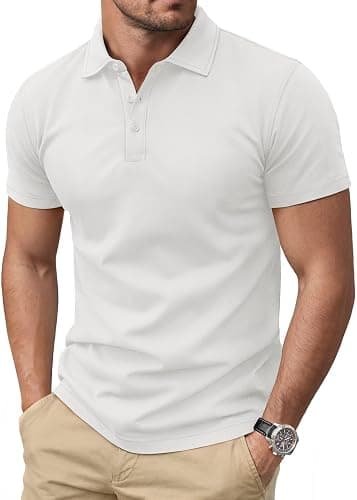
Enough that a new starter is not washing the same shirt every night. Two or three polos per person is the common specification, held centrally and issued on day one alongside the rest of the kit. Keep a size record against each employee, because the second year of the programme is much easier if you are not re-measuring everyone.
Weight the stock towards the middle sizes, with a smaller reserve at each end. A joiner in an unusual size can be handled individually; a joiner in a common size should never be waiting for the next production run.
Which knit and finish suit an office dress code?
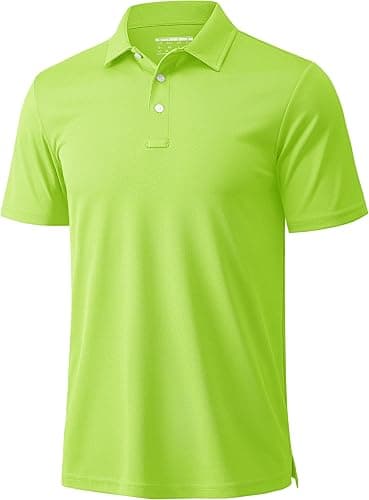
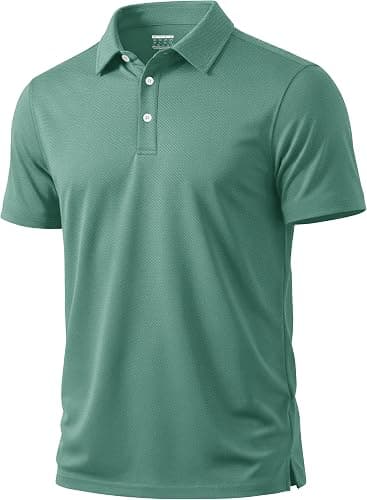
Cotton piqué, almost always. It looks more formal than a flat jersey, holds a collar shape, and the textured surface keeps it looking presentable through a working day. A performance knit is the exception for roles that involve moving stock, driving or working outdoors. Both are listed on our polo shirts page.
Embroidery on the left chest is the standard finish for corporate kit — it survives washing and reads as uniform rather than merchandise. The embroidered polo guide covers the minimum sizes and how much logo detail survives in thread, which is worth checking before you approve artwork. The US polo guide compares fabrics and fits for teams ordering across both markets.
How do you keep sizing consistent between intakes?
Record three things per employee and keep them with the HR record: size, the date issued, and the garment reference. That gives you a reorder profile after the first year instead of a guess, and it tells you which sizes actually move. Companies that skip this end up with a cupboard of XS and a permanent shortage of XL.
Order the £150 sample before the first bulk run and keep it as the reference garment — it is credited against the order, so it adds nothing to the cost of a programme that proceeds. Production is 10 to 15 working days from artwork approval, before transit. More on corporate programmes is on our corporate page.
Who should own the polo programme internally?
One named person, usually in HR or office management, rather than whoever happens to be free. The job is small but continuous: hold the stock, issue it, keep the size record, and flag when the reserve is getting thin. Split across three people it becomes nobody's, and the first sign of that is a new starter in week two without a shirt.
Give them a reorder trigger rather than a calendar date. When the stock of the most common size drops below a stated number, the next run gets placed. That way the programme runs on its own consumption rather than on somebody remembering in January that the order is due.