T-Shirts for Agencies: print or embroidery
By The Velocity Wear Team
For campaign t-shirts, screen printing suits flat brand marks and limited palettes, DTF suits photographic or gradient artwork, and embroidery suits a small chest or sleeve mark where the client wants a premium finish. The choice is usually decided by the brand guidelines rather than by cost, so read them before you quote the job.
How do brand guidelines drive the decoration choice?
Most guideline documents specify exact brand colours, minimum logo sizes and clear space rules. Screen printing reproduces flat brand colours cleanly and consistently, which is why it is the safest method for a corporate identity. Where the guidelines allow a spot colour reference, the ink can be mixed to it and repeated across future runs.
Where guidelines include a gradient, a photographic element or a full-colour illustration, screens stop being practical and DTF takes over. It prints from a digital file, so colour count does not drive the setup, and it reproduces detail that would need too many screens to separate.
What does each method do to the garment?
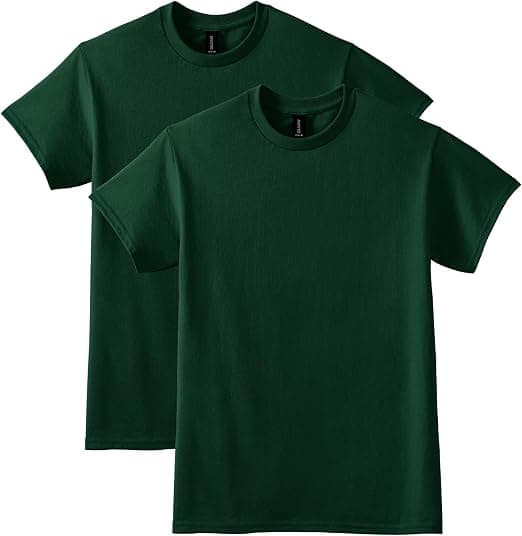
Screen print sits in the fabric surface and, on a 150–180 GSM combed ring-spun blank, barely changes how the tee drapes. A large solid area of ink is the exception and will stiffen the panel. DTF sits as a film on the surface, so it is more noticeable to the touch at larger sizes — fine on a chest mark, more obvious on a full back print.
Embroidery adds stitch weight and needs a stable base. On a heavier 220–240 GSM boxy blank it sits well; on a fine jersey it can pull. Keep it small and high on the chest or on a sleeve. Agencies use it when the client wants the garment to read as staff kit rather than as a giveaway.
How do you get artwork through approval without losing days?
Send the right file the first time and tell the client what the method needs in the same email.
- 1Vector artwork with colours separated for screen printing, plus a spot colour reference for each
- 2A high-resolution raster file at final print size for DTF, with the background removed
- 3A defined stitch area and a maximum width for embroidery, since fine detail closes up in thread
- 4A single named approver on the client side, with a deadline, because approval is where campaign schedules leak
Production is 10 to 15 working days from approval regardless of method, so the file quality is what protects the launch date. The lead time guide breaks the countdown down day by day.
Can one campaign use more than one method?
Yes, and it is a useful way to separate tiers of kit. Crew tees with an embroidered chest mark, giveaway tees with a printed graphic, both from the same blank, reads as one family without pretending the two are the same garment. Each design carries its own 50-piece minimum, so plan the quantities accordingly, and the volume discount of up to 35% applies per run rather than across the campaign.
See the blanks and from-prices on the wholesale t-shirts page, and the samples guide for what to check once the decorated garment is in your hands. Ongoing staff and client kit is covered on the corporate page.
Where a campaign runs across markets, decide the method once and apply it everywhere. A tee printed in one market and transferred in another will not feel like the same garment in a photograph or in someone's hands, and the difference is obvious the moment two versions appear side by side at an event. Consistency across activations is worth more than optimising each run in isolation.
Record the decision with the artwork files so the next person on the account inherits it. Six months later nobody remembers why the sleeve mark was stitched rather than printed, and the second run quietly does it the other way.