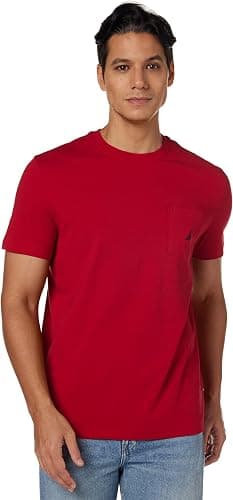
T-Shirts for Bands: samples
By The Velocity Wear Team
A sample costs £150 and that amount is credited against the bulk order when you go ahead, so on a run of any size it effectively stops being a cost. Samples are never given away. What you get for it is one physical shirt in your chosen base, colour and decoration, which is the only way to judge ink density, fabric weight and how the graphic sits before you commit to five hundred of them.
What does a band t-shirt sample cost?
£150, credited back against the bulk order. That structure matters more than the figure: if you proceed, the sample has cost you nothing beyond the time it took to arrive, and if you do not proceed, you have paid £150 to avoid buying a run you would have hated. The wholesale t-shirts page is where the spec for a sample gets set, and the bands and music page covers the rest of the merch line it belongs to.
What should you check when it arrives?
Work through it in a fixed order rather than just looking at it. Placement first — hold it up on a body, not flat on a table, because a print that looks centred on a table can sit two inches low on a person. Then ink: is the colour what you specified, and does a light ink cover properly on a dark garment? Then the cloth. A 150 GSM tee and a 240 GSM tee feel completely different, and the difference is invisible in a quote.
- Wash it once at the temperature your buyers actually use, then look again.
- Put it on someone who is the size it claims to be.
- Check the neck label and any tear-out label sits flat and does not itch.
- Photograph it in daylight — that photo is also your product shot.
Does a sample push the tour deadline back?
It adds a step, so plan for it rather than discovering it. The sample has its own production and transit time, and only once you approve it does the 10 to 15 working day production window on the main order begin. Build the sample into the calendar six to eight weeks before your first date and it costs you nothing; squeeze it into the last fortnight and it becomes the reason the shirts are late. Our lead time guide sets out the full working-back calendar.
Do you need a sample for every colourway?
Not usually, but sample the hardest one. If you are running the same graphic on white, heather grey and black, the black is the one to see, because that is where a light ink either covers or goes patchy. Approve that and the lighter garments are a safe bet. Where the base garment itself changes — a different weight or a different fit — that is genuinely a different shirt and worth its own sample. Comparing blank t-shirt bases explains what varies between them.
What should you do with the sample afterwards?
Keep it, sealed, as the physical reference for every run of that design. A colour name and a file are not enough when you come to restock months later and want the second batch to sit next to the first without anybody noticing. One bagged shirt in a drawer settles arguments that no amount of specification can.
It also earns its keep as a selling tool before the stock arrives. Shoot it properly in daylight and those images are your webstore listing and your announcement post, live weeks before the boxes land. Bands who do this routinely take pre-orders against the sample, which turns the £150 into the thing that funded the run rather than a cost against it.