T-Shirts for Agencies: reordering
By The Velocity Wear Team
A repeat campaign run reuses the artwork, separations and ink formula from the first order, so the setup is done. The 50-piece minimum per design still applies, production is still 10 to 15 working days from approval, and the two things that need managing are garment colour between dye lots and the gap between deciding to reorder and needing the stock.
When does an agency reorder rather than start fresh?
Whenever the artwork is unchanged. A campaign that runs across several activations, a client rolling the same design into staff kit, a brand refilling stock after a launch — all of those are repeats and all of them skip the setup work. The moment the logo, the colours or the placement change, it becomes a new design with its own minimum and its own screens.
That distinction is worth explaining to clients early, because it changes how they think about variants. Three activation-specific back prints are three runs of 50, not one run of 150.
How do you keep runs looking identical?
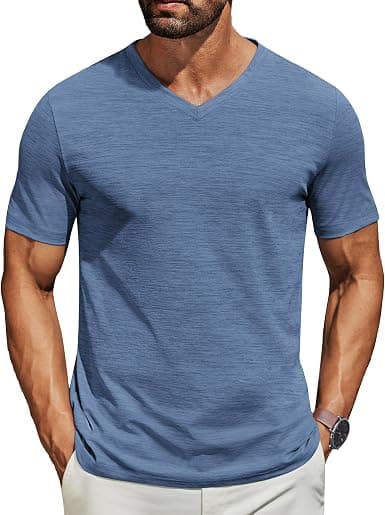
Ink is straightforward — the mix is recorded and repeated. Garment colour is the variable, because fabric comes from dye lots and a deep shade can read slightly differently between them. If the two runs will be worn side by side at the same event, flag it when the reorder is placed so the fabric can be matched as closely as possible.
Keep one unwashed garment from each run in the agency office, labelled with the date and the order reference. It costs nothing and it settles every future argument about whether the colour moved. Keep the approved artwork files in the same place, in the format the decoration method needed.
Can repeat orders improve the price?
Yes, by consolidating them. The tiers are 50–99, 100–249, 250–499, 500–999 and 1,000 plus, measured from the 50-piece price, and the discount reaches up to 35% at the top. Four separate 50-piece runs across a year all sit in the entry tier. One run of 200 with stock held for later activations sits two tiers up, and the only cost is storage.
That only works if the client will commit the quantity up front, which is a scoping conversation rather than a production one. The cost guide has the full breakdown of how the tiers translate into a budget line. From-prices for the blanks are on the wholesale t-shirts page.
What should change between runs?
The size curve, usually, and nothing else at once. After the first activation you know which sizes ran out and which came back in the box, and the reorder is where that gets corrected — the size splits guide covers how to rebuild the split. Changing the curve, the blank and the print placement simultaneously means you learn nothing from either run.
For clients where the tee is part of a standing programme rather than a campaign, the corporate page sets out how repeat sizing and onboarding stock are handled across intakes.
What should the agency keep on file between runs?
Four things, all of them small and all of them painful to reconstruct: the approved artwork in the format the decoration method used, the ink or thread colour references, the blank specification including weight and fit, and the size split that was actually ordered. Store them with the client record rather than on one person's laptop.
Add a note of what the client said when the first run landed. Whether they thought the fit was right, whether the logo looked small on the body, whether anyone complained about the collar. That feedback is the only input the second run has that the first one did not, and it disappears within a month if nobody writes it down.