T-Shirts for Cafes: reordering
By The Velocity Wear Team
Most single-site cafes reorder staff tees every twelve to eighteen months, driven by turnover rather than wear. The reorder itself runs on the same 10 to 15 working day production window plus transit, so about four weeks, and the minimum stays at 50 pieces per design. Trigger it when your unissued buffer drops to around ten shirts, not when it reaches zero.
How often does a cafe need to reorder?
Work it out from your own numbers rather than a rule of thumb. Count new starters over the last year, multiply by three shirts each, and add replacements for shirts written off. A six-person cafe with steady turnover typically gets through the second half of a fifty-piece run in a year; one with a high-churn student team gets through it much faster. The restaurants and hospitality page covers the wider kit that follows the same cycle.
Will the new batch match the old one?
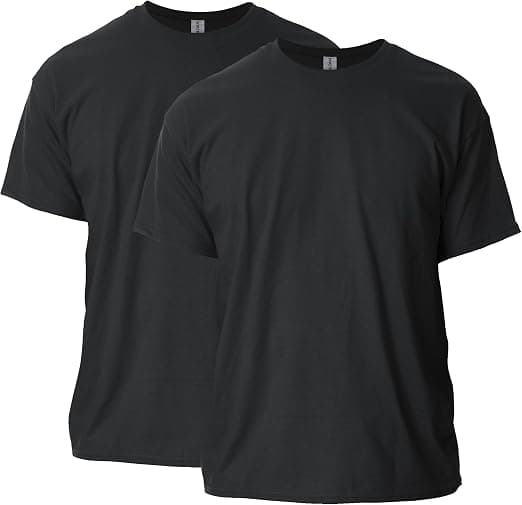
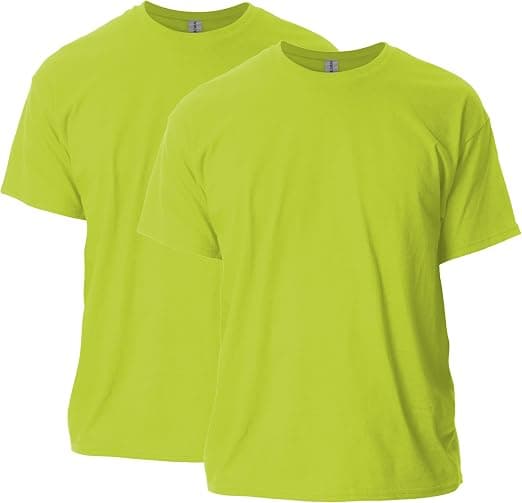
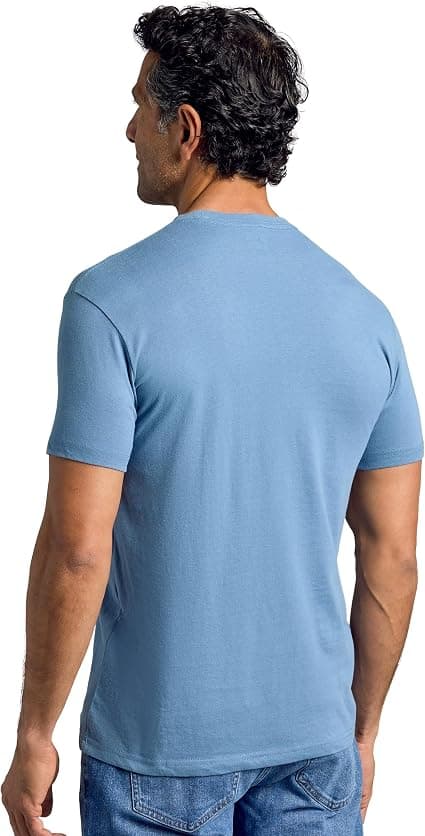
Hold the specification constant and it will: same base garment, same GSM, same colour reference, same ink or thread references. Where a mismatch shows is on a mid-tone heather, because dyed cotton varies slightly between dye lots. On black, white or a strong solid colour it is not visible. Keep one shirt from the previous run sealed in a bag as a physical reference rather than relying on memory or a colour name.
One thing to watch for is a logo that has quietly been redrawn since the last order. Marketing refreshes happen and nobody tells the person ordering the shirts, so the new batch arrives subtly different from the ones already on the floor. Check the print file against a current shirt before approving.
What makes a reorder cheaper than the first run?
Mostly the quantity you put on it. Our tiers are 50–99, 100–249, 250–499, 500–999 and 1,000 plus, with the discount reaching up to 35% off the 50-piece price at the top, and the rate follows the order in front of us. A single cafe restocking fifty pays the entry rate again; a group ordering for four sites at once moves into a better tier for the same artwork. Our cost guide sets out how that arithmetic works, and the wholesale t-shirts page carries the current from-price.
Should you reorder or redesign?
A reorder is faster and keeps the floor consistent, so it is the default. Redesign when something has genuinely changed — a rebrand, a second site, a garment that staff have complained about for a year. If you do redesign, treat it as a first order again: a £150 sample credited against the bulk order is worth taking, and plan the calendar accordingly. Our lead time guide covers the working-back dates, and our sizing guide covers adjusting the split using what the last run taught you.
How do you stop old and new kit clashing on the floor?
If the design has changed, switch everybody at once rather than letting the two versions overlap for six months. A mixed floor looks like a business that has not noticed, which is the opposite of what a uniform is for. Order enough to reissue the whole team, hand the new shirts out on the same day, and retire the old ones together.
If the design has not changed and only the batch has, the overlap is fine and you should deliberately mix the new stock in rather than stacking it separately. Shirts age with washing, so rotating fresh pieces into circulation keeps the floor looking even instead of splitting it into visibly old and visibly new halves.
Either way, decide before the boxes arrive. That decision made on the day tends to be the one that leaves three versions in the cupboard and nobody willing to throw any of them out.