T-Shirts for Clothing Brands: size splits
By The Velocity Wear Team
Sizes mix freely inside the 50-piece minimum, so a first drop can carry whatever curve you choose. Most brands should weight the middle heavily and keep the ends thin: something like S 18%, M 28%, L 28%, XL 16%, with XS and XXL sharing the remainder. Then treat drop one as the research that sets drop two, because your own sell-through beats any general curve.
What size curve should a first drop use?
Start from the shape above, then adjust for what you actually know about your audience rather than what you hope. A brand selling into a skate or streetwear audience runs larger. One selling a fitted regular cut runs smaller. What you should not do is order flat — ten of each size looks fair and leaves you holding XS and XXL for a year while medium sold out in a weekend. The wholesale t-shirts page sets out the fits and the sizes each one runs to.
How does a boxy fit shift the curve?
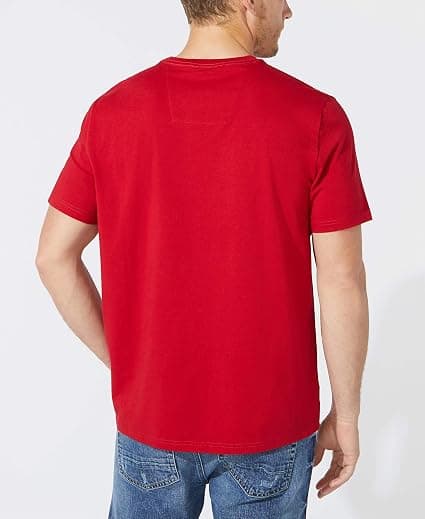
A boxy cut is wider through the body and shorter in the length, so a customer who wears large in a regular tee frequently takes medium in a boxy one. Apply a regular curve to a boxy garment and the large and XL end becomes your dead stock. Shift the whole distribution down roughly one size and carry a little more S. Getting the boxy fit right covers what actually changes in the measurements, which is what your size guide needs to say.
Publish real measurements on the product page too — chest width and body length, taken from the garment flat. A customer who can measure a shirt they already own against your numbers returns far less often than one guessing from a letter.
Should every size run on every colourway?
Not on a first drop, no. Each colourway that needs its own screens counts as a separate design against the 50-piece minimum, so three colourways commits you to 150 units before you have sold anything. Run the full curve on your lead colour, and put the secondary colourways in narrower — the middle sizes only — until you know what sells. The clothing brands page covers how the label programme carries across colourways.
How do you use drop one to fix drop two?
Record two things per size: units sold and days to sell out. A size that emptied in four days was under-ordered; one that emptied in eight weeks was priced about right; one still sitting was over-ordered. That table, not instinct, sets your second curve. Also log returns by size, because a size that sells and comes back is a fit problem rather than a demand signal. Our restocking guide covers acting on that data without breaking the match to the original run.
What should a size guide actually say?
Garment measurements, taken flat, for every size you carry — chest width pit to pit, body length from the high point of the shoulder, and sleeve length. Letter sizes alone mean nothing across brands, and a customer who can lay a tape over a shirt they already own and compare it to your numbers makes a confident decision instead of a hopeful one.
State the intended fit in plain words alongside it. "Boxy, wear your usual size for an oversized look or size down for a regular fit" answers the question your inbox would otherwise ask fifty times. Include the fabric weight as well, because a 150 GSM tee and a 240 GSM one at the same measurements are different products in the hand.
Keep those numbers stable between drops. A repeat customer who knows they are a medium in your shirts is the easiest sale you will ever make, and changing the base garment quietly throws that away.