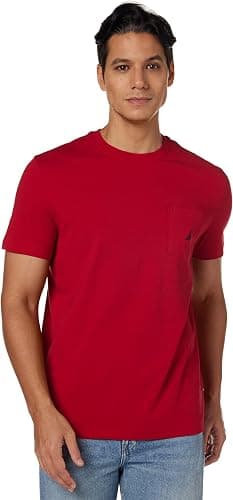
T-Shirts for Clothing Brands: cost
By The Velocity Wear Team
A custom t-shirt for a clothing brand starts at $13 a piece at the 50-piece minimum, and the rate falls through five tiers to as much as 35% below that figure on the largest runs. Private label finishing — woven neck labels, tear-out labels, swing tags and packaging — sits on top of the garment price, and it is that combined number, not the $13, that your retail price has to carry.
What does a private label tee cost per unit?
Build it in layers rather than looking for one figure. The base garment comes first: 150 to 240 GSM combed ring-spun cotton, regular or boxy, from $13 at fifty pieces. Decoration is next, priced by method and by how many positions you print. Then the label programme. Then freight. The wholesale t-shirts page holds the garment side and the clothing brands page sets out the private label options that sit on top.
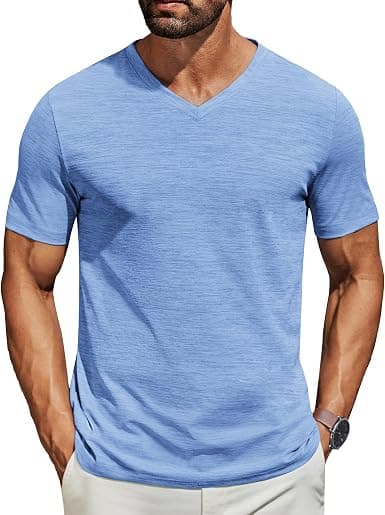
How does the price move between tiers?
Our quantity bands are 50–99, 100–249, 250–499, 500–999 and 1,000 plus, and the discount deepens at each step to a ceiling of 35% off the 50-piece rate. For a brand, the interesting consequence is that the same £1,000 of stock budget buys a different shaped range depending on how you split it. Four designs at fifty each sits at the worst rate on every one of them. One design at two hundred sits several tiers better and leaves you with far more units.
That is a genuine strategic choice rather than a pricing trick. A narrow range ordered deep has better unit economics and worse coverage; a wide range ordered shallow is the reverse. Where the money goes on a bulk t-shirt order explains which parts of the cost actually respond to quantity.
What does labelling and packaging add?
Enough to matter, and it is the layer brands most often forget when they set a retail price. Custom woven neck labels, tear-out labels, swing tags and branded packaging are each quoted against the job. They are also, realistically, what separates a product from a printed blank in a customer's hands — the difference between a £25 tee and a £45 one is frequently the neck label and the bag it arrives in rather than the cotton.
How should a brand price the retail side?
Take the landed unit cost — garment, decoration, labelling, freight, and your share of any duty — and work forward from that, not from the $13. Then decide the multiple your channel needs. Direct-to-consumer carries payment fees, returns and marketing that a wholesale price does not. Selling into stockists means your wholesale price has to leave the retailer room as well as you. Getting the size curve right protects that margin too, because units stuck in the wrong sizes are margin you already spent — our size guide covers the curve for a first drop.
Where do first-time brands misjudge the numbers?
Three places, repeatedly. They price against the garment cost alone and discover the label programme afterwards. They forget that every colourway needing its own screens is another 50 pieces, so a three-colour launch is 150 units of commitment rather than 50. And they treat the whole run as sellable, when a realistic plan assumes some of it clears at a discount.
The fourth, less obvious one is holding cost. Stock bought in January and sold in June has tied money up for five months, and for a small brand that money is usually the same money that would have funded the next drop. Ordering deep is cheaper per unit and slower to convert, which is a genuine trade rather than an obvious win.
None of this argues against ordering properly. It argues for building the full landed figure before you set a retail price, rather than after the first invoice arrives.