T-Shirts for Bands: size splits
By The Velocity Wear Team
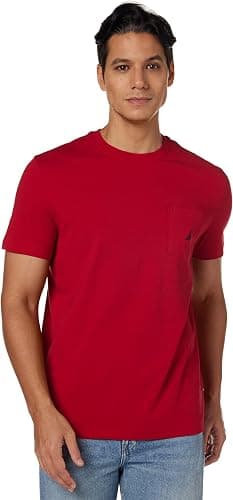
Sizes mix freely inside the 50-piece minimum, so the split is yours to choose. For a merch table, weight it heavily toward M and L — between them they usually account for over half the run — with S and XL either side and a small tail of XS and XXL. The exact shape depends on your audience and on whether the tee is a regular or a boxy cut.
How should 50 shirts be split across sizes?
A workable starting point for a fifty-piece run is roughly four XS, eight S, fourteen M, fourteen L, eight XL and two XXL. That is not a rule, it is a shape: a fat middle and thin ends. Order it and watch what actually sells, because the real answer lives in your own sell-through and nobody else's. The wholesale t-shirts page lists the size range each base is cut in.
Which sizes empty first at a merch table?
Medium and large, nearly always, and usually by the third date. The sizes at the ends of the curve behave differently from each other, too. XS tends to go slowly but steadily. XXL either sells out immediately or sits untouched, depending entirely on the crowd, which is why carrying only a couple on a first run is sensible — you learn the answer without buying it twice.
One habit worth building: write down what you sold in each size at the end of every night, not just the total takings. Three dates of that data is worth more than any general advice when you place the restock. The bands and music page covers the rest of the merch mix the shirts sit alongside.
Does a boxy fit change the split?
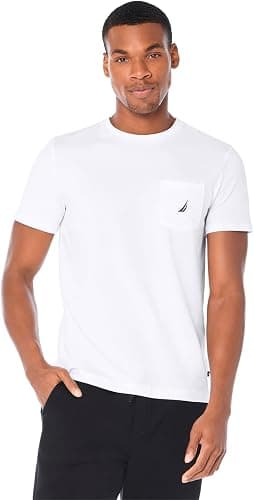
It does, and people get caught out by it. A boxy cut is wider and shorter than a regular one, so somebody who wears a large in a standard tee often takes a medium in a boxy. Run a boxy design with the same curve as a regular one and you finish the tour holding the big sizes. Shift the whole thing down a notch and carry fewer XL and XXL. Getting the boxy fit right goes into what changes in the measurements.
Fabric weight nudges it as well. A 150 GSM tee drapes closer to the body than a 240 GSM one, so the heavier cloth reads slightly roomier on the same frame. It is a small effect next to fit, but it is the kind of thing a £150 sample answers in five minutes.
What do you do with the sizes that stay in the box?
Leftovers are not dead money unless you treat them as dead. Put them on the webstore, where buyers self-select and the odd sizes go to people who actually want them. Bundle a slow size with a cheaper item. Keep them for the next leg rather than discounting on night four. And correct the curve on the reorder — our reordering guide covers restocking a design mid-tour without changing what it looks like.
How do you record sizes without slowing the table down?
Keep it crude enough that a volunteer can manage it between songs. A sheet of paper with six boxes and a pen beats any app when the room is loud and there are eight people waiting. Tally one mark per shirt, write the date at the top, and drop the sheet into the box with the remaining stock at the end of the night.
Three nights of that is worth more than any general advice, because it is your crowd rather than an average one. It also captures something a takings total cannot: whether a size sold out or simply never moved. Those two look identical on a cash sheet and point in completely opposite directions when you come to place the restock.