Articles 145–192 of 356, newest first.
Tell us what you need and we reply with pricing, within 1 hour on working days.
50-piece minimum per design · Mixed sizes · We never share your details
Office rollouts are usually tied to a date somebody has already announced, which makes the production window the hard constraint.
Offices are the hardest place to collect sizes, because nobody is in the same room and half the answers arrive as guesses.
Most office uniform programmes end up mixed, and the split is decided by the artwork rather than the budget. Here is where each method belongs.
A sample costs £150 and comes back to you against the bulk order. Here is what an office buyer should actually be checking when it lands.
A repeat uniform order is only easy if the first one was documented properly. Here is what to keep on file and what changes the price.
Salon uniforms start from £30 a piece at the 50-piece minimum. Here is what pushes that figure around and what else belongs in the budget.
The production clock starts at artwork approval, not at enquiry. Here is how a salon should count backwards from the day the kit is needed.
Sizes mix freely inside the 50-piece minimum. The skill is deciding where the depth goes so nothing sits unworn in the stockroom.
Salon garments take more chemical punishment than most workwear. That, not price, is what should decide between thread and print.
A sample is worth taking on salon kit because the garment gets tested by chemicals, not just by eyes. Here is how to use it properly.
Salon garments wear out faster than most workwear, so the restock is not an exception. Here is how to make the second run match the first.
Hotel uniforms start from £30 a piece at the 50-piece minimum, but the real budgeting question is how many departments you are kitting at once.
A hotel rarely orders one garment, and several departments finishing together changes how the schedule should be built.
Hotels size by department as much as by person. Here is how to build a size split that survives a year of starters and leavers.
Hotel garments are washed industrially, not domestically. That single fact settles most of the print versus embroidery argument.
On a property-wide order the sample is the best protection available for the money. Here is how a hotel should test one before committing.
Hotels reorder constantly. The trick is holding enough rotation that a restock never becomes an emergency, and matching runs when it does.
Cafe uniforms start from £30 a piece at the 50-piece minimum. For a five-person team, the honest question is whether 50 is too many.
Opening dates move; production windows do not. Here is how far ahead a cafe should be placing a uniform order.
Cafe teams change faster than most. A size split that assumes today’s roster will be wrong within a season.
Aprons and tees want different treatment, and most cafe logos are more detailed than a chest embroidery can carry. Here is the split.
A cafe sample gets tested by coffee, milk and steam within a day. That is exactly why it is worth ordering one before the bulk run.
A cafe uniform reorder is easy to get wrong in ways nobody notices until the shirts are on the floor next to the originals.
Clients let cleaners into their homes and offices. A clean, branded uniform is part of how that trust is earned.
Care uniforms are worn through long, physical shifts and washed constantly. Infection control guidance should shape what you order.
The quarter zip has become the unofficial uniform of American offices, sales teams and golf outings. Here's how to order ones people actually keep.
A job site destroys cheap hoodies in a month. Here's how trades businesses pick work hoodies that last, and how to brand them so they bring in work.
In retail, the most important job of a staff shirt is to answer a customer's unspoken question: who works here?
A landscaping crew works in full view of the whole street. The right shirt keeps them cool and gets the phone ringing.
Estate agency is a trust business on the doorstep. Branded clothing helps an agent look professional before they've said hello.
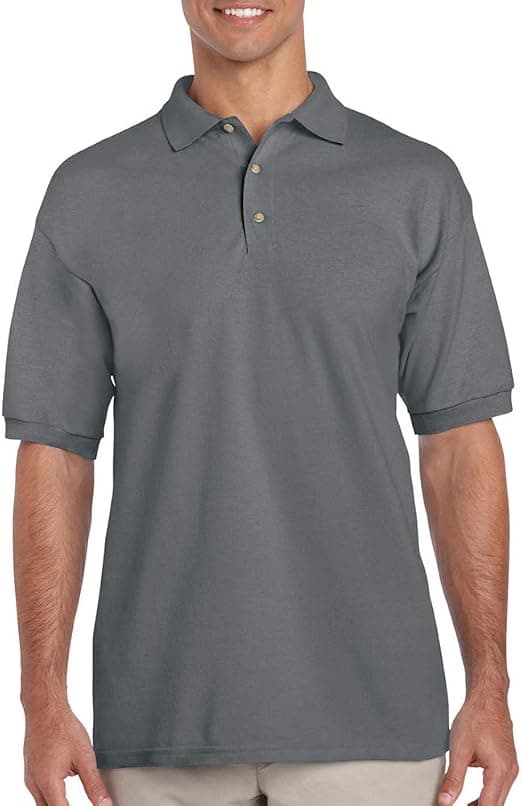
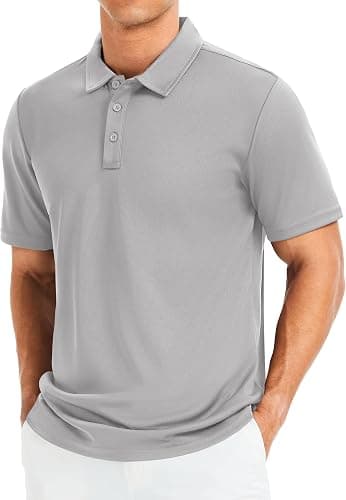
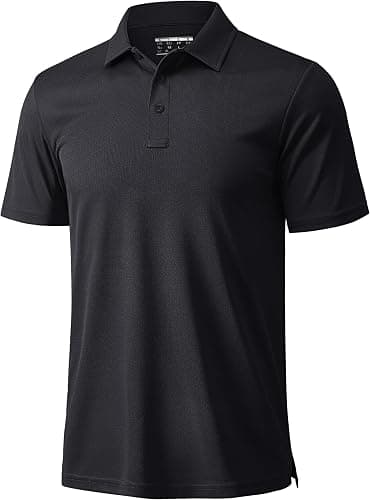
It sounds like a small choice. But polo or t-shirt changes how customers read your business before anyone says a word.
Corporate clothing isn't just for big companies with procurement teams. A small firm can look just as organised with a modest, well-planned range.
Scrubs handle the clinical side. Branded polos, quarter zips and fun team shirts handle everything else a practice needs.
Grease, heat and constant bending. Mechanic shirts take a beating, and they still need to look professional to customers at the counter.
On a job site, the shirt has to be safe first, tough second and branded third. Get that order right and the logo does its job too.
Hospitality uniforms get spilled on, washed daily and worn by staff who come and go. They need to be practical first and on-brand second.
Hi-vis is safety equipment first and branding second. Get the order of those two wrong and the logo can make the garment less safe.
Homeowners decide whether to trust a technician in the first five seconds at the door. A clean branded uniform does a lot of that work.
Restaurant uniforms get splashed, sweated in and washed constantly by a staff that changes every few months. Plan for all of it.
You don't need a corporate budget to put your team in uniforms. You need a clear plan and a few good garments.
Warehouses are cold, busy and hard on clothing. Staff hoodies need to cope with all three while keeping the brand visible.
A trades uniform has two jobs: survive a working week and make a homeowner trust you on the doorstep. The right work polo does both.
The hardest part of embroidered workwear isn't any single garment. It's making the logo look like the same logo on six different ones.
We make polos, not button-up shirts. So this is an honest guide to when you really need a button-up, and when a polo does the job better.
Work shirt means different things in different jobs. Here's how to pick the right kind, including when the right answer isn't something we make.
The right work shirt depends on the job. A roofer, a receptionist and a barista need three very different shirts with the same logo on them.
The hard part is not the first order. It is the player who joins in November and needs kit that matches what everyone else got in August.
A hospitality uniform is worn for ten hours in a hot room, washed daily, and judged by customers throughout. Very few garments are specified for all three.