Corporate Uniforms for Offices: samples
By The Velocity Wear Team
A corporate uniform sample is £150, and that £150 is credited against the bulk order that follows, so it costs nothing extra once you proceed. It exists to settle the things a screen cannot show you: how the fabric sits on a real body, how the logo reads from across a room, and whether the collar holds its shape after a wash. Samples are never free.
What does the £150 sample actually buy?
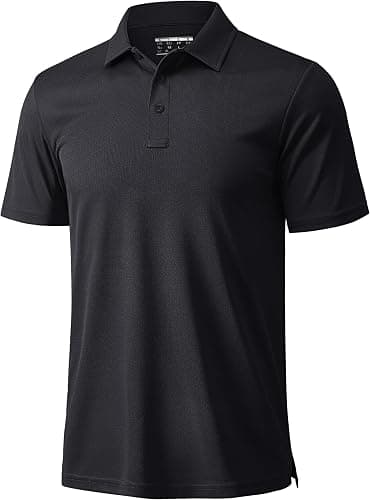
It buys a finished garment made the way the production run will be made — the same base, the same decoration method, the same placement, the same neck labelling if you are using it. That is a different object from a mockup. A render shows you a logo pasted onto a flat photograph at whatever size looks good; a sample shows you the logo at the size it is physically capable of being, on the fabric that will actually leave the factory. The gap between those two is where most disappointment lives, and it is the reason a render cannot replace a physical sample.
Pricing sits separately from sampling. Corporate uniforms start at $20 a piece at the 50-piece minimum, and the wholesale uniforms page carries the current from-price and the quantity tiers.
What should you check when the sample lands on your desk?
Take twenty minutes with it rather than glancing at it in the post room. Work through the physical things first and the brand things second.
- 1Put it on somebody. Fit on a hanger tells you nothing about how a collar sits under a lanyard or how a hem behaves when someone sits down.
- 2Look at the logo from three metres. That is the distance a visitor sees it from, and small type that reads beautifully in your hands vanishes at reception.
- 3Wash it once at the temperature your staff will actually use, then look at the decoration edge and the seam.
- 4Check the colour against your brand reference in daylight, not under office fluorescents.
- 5Feel the neck label. If it scratches, staff will cut it out, and a tear-out label is the fix.
Write down what you want changed while the garment is in front of you. Vague feedback — "the logo feels a bit big" — costs a round trip. A measurement does not.
Do you need a sample of every garment in the programme?
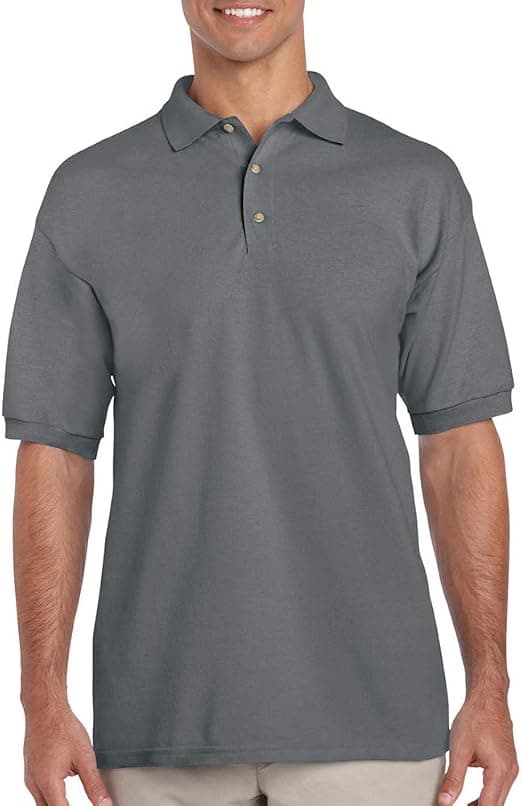
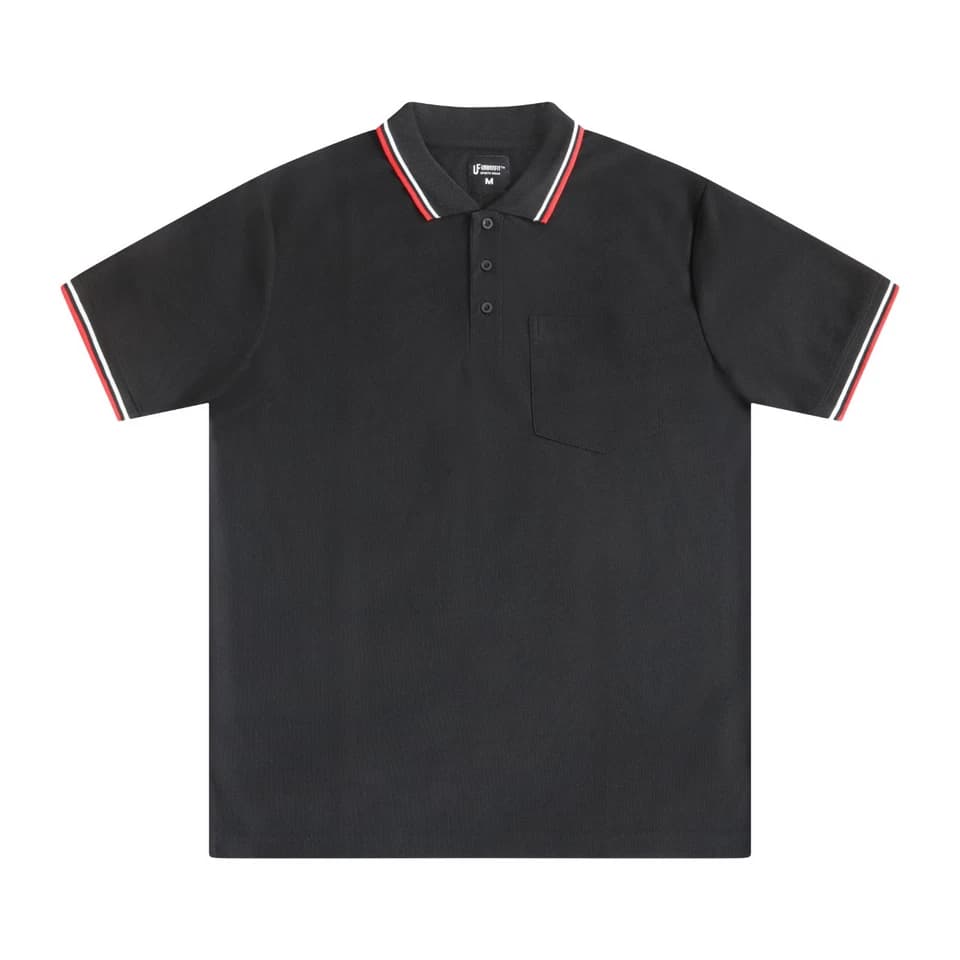
Rarely. Sample the garment that carries the most risk, which is usually the one staff wear in front of clients or the one with the most difficult artwork. If your programme runs shirts, polos, aprons and outer layers, a polo sample settles the decoration question for most of them, because the logo size, the thread colours and the placement carry across. Where a second sample earns its £150 is when a garment uses a different fabric family or a different decoration method — an apron printed rather than stitched, say. The office and corporate kit page shows how the pieces usually sit together as one programme.
How does sampling fit around an onboarding deadline?
Count backwards. Production is 10 to 15 working days from artwork approval, before delivery transit, and the sample round sits in front of that. If new starters arrive in six weeks, the sample needs to be requested now rather than after the budget meeting. Teams that hire in cohorts tend to run the sample once, approve a standing specification and then place repeat orders against it, which takes the sampling step out of every subsequent cycle. Once the first run is signed off, reordering the same design works from the record of that approved sample.
The £150 is per sample, not per round of revisions, and it comes back to you against the bulk order. Treat it as the smallest cost in the whole process rather than an obstacle to it — a fault caught on one garment is a note; the same fault caught on 200 is a reprint.