Corporate Uniforms for Offices: reordering
By The Velocity Wear Team
Reordering office uniforms is straightforward when the first run was recorded properly: the same garment, the same decoration file, the same placement measurements, and a repeat of 50 or more against the same design. What trips buyers up is assuming a repeat is automatically identical. Fabric dye lots shift between runs, and a colour that has to match needs to be flagged before production, not after delivery.
How do repeat runs stay consistent with the first one?
By working from a written specification rather than a memory of what was ordered. The record that matters is short: garment and colourway, decoration method, logo width in millimetres, distance from the shoulder seam and from the centre front, thread or ink references, and the neck labelling. With those five lines on file, a repeat run is a purchase order rather than a project.
Dye lot is the one variable that genuinely cannot be eliminated. Garments dyed months apart can sit fractionally different in shade, which nobody notices across a floor but everybody notices when two people stand side by side in the lift. If your programme has to match visibly, say so when you place the repeat and order the departments that stand together in one run. The wholesale uniforms page is the starting point for a repeat quote.
What counts as a reorder and what counts as a new order?
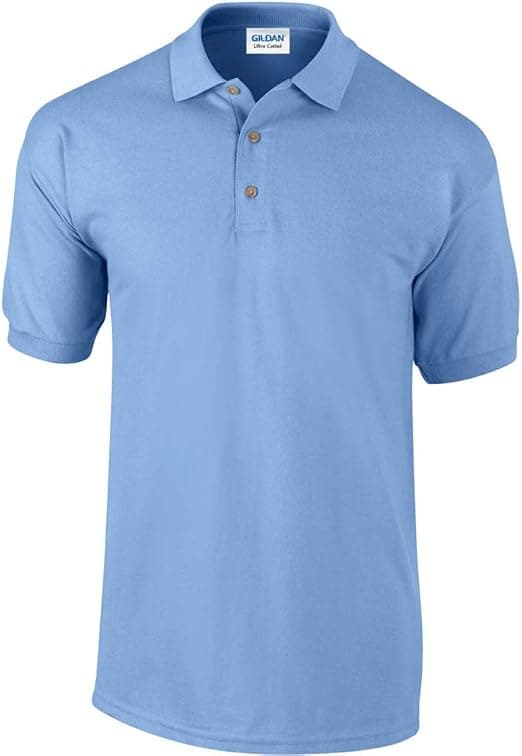
A reorder is the same design, same colourway, same decoration. It still has to meet the 50-piece minimum, and sizes inside that 50 can be mixed however you need — twenty medium, fifteen large, and the rest spread across the tails is perfectly normal. Change the garment colour, and the screens change with it, so that is a separate design with its own 50. Change the logo, and the same applies. The practical consequence is that adding a single new department colour is a bigger commitment than adding thirty more pieces to an existing one.
Quantity tiers reset on each order rather than accumulating across the year. Discount rises with the size of the run itself — the tiers step at 50, 100, 250, 500 and 1,000 pieces, up to 35% off the 50-piece price — so two runs of 100 are priced as two runs of 100, not as one of 200. That is the single strongest argument for consolidating a year of restocking into fewer, larger orders. The general mechanics of placing the same design again apply across every product we make.
How much stock should an office hold between runs?
Enough to cover new starters until the next planned run, plus a small buffer for replacement. Production is 10 to 15 working days from artwork approval before transit, so a team that hires steadily needs roughly a quarter of cover in the cupboard to avoid a new joiner spending their first fortnight out of uniform. Holding depth in the middle sizes is more useful than holding one of everything: the extremes of a size run turn over slowly and become dead stock.
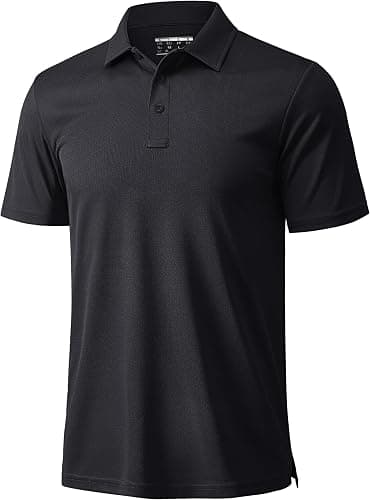
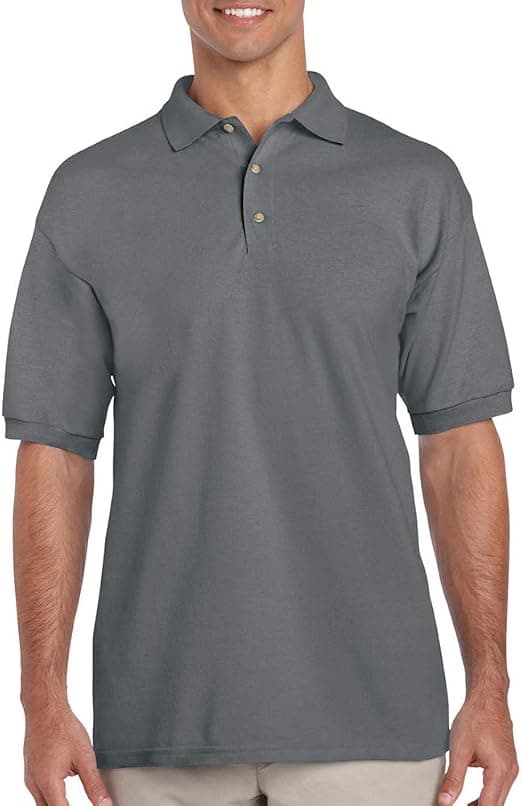
The corporate and office programme page covers how onboarding kits are usually assembled, which is the practical unit most offices count in — one polo, one shirt, one outer layer per starter rather than a loose pile of garments.
When is it worth changing something on a repeat?
A repeat is the natural moment to fix what the first run got wrong, because you are paying for a production setup either way. Common corrections: dropping a size nobody wore, moving the logo two centimetres where it fought with a lanyard, swapping a scratchy neck label for a tear-out, or changing decoration method on the one garment that did not hold up. What is not worth doing on a repeat is a full redesign, because that resets the specification and puts you back into sampling. Keep the changes small and documented, and each run stays a copy of the last one with a correction attached.