Restaurant Uniforms: Shirts That Survive the Dinner Rush
By The Velocity Wear Team
Restaurant uniforms get about thirteen hundred US searches a month, and almost no quality guidance. Restaurants have some of the toughest uniform requirements of any business: heat, grease, spills, constant laundering and high turnover. The shirts need to be practical first and on-brand second.
Front of house vs back of house
Servers, hosts and bartenders are the face of the brand, so their shirts should match the restaurant's vibe. Kitchen staff need lightweight, breathable, practical shirts that handle heat. Many restaurants use the same colors and logo across both, with different garments.
Match the uniform to the concept
- Casual diner or taqueria: bright printed tees with a fun design.
- Gastropub or brewery: dark tees or henley-style shirts with a small logo.
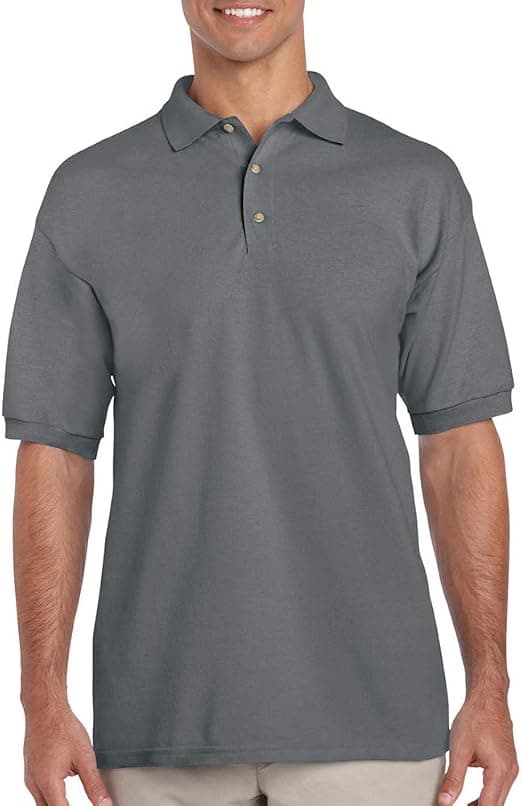
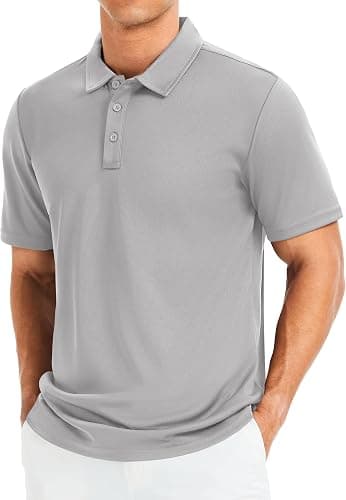
- Upscale casual: embroidered polos or darker knit shirts.
- Coffee shop: soft tees in muted colors with aprons.
- Sports bar: jersey-style shirts or polos.
Fabrics for the heat
Kitchens are hot. Lightweight cotton or poly-cotton tees breathe better than heavy garments. Moisture-wicking performance fabrics help line cooks. Dark colors hide stains; black is a restaurant favorite for good reason.
Branding
Keep front-of-house branding tasteful: a small chest logo or a subtle back print. A phrase on the back like Ask about our specials can drive upsells. Avoid large prints that look like promotional merch unless that's your brand.
Plan for turnover
Restaurant turnover is high. Skip individual names on shirts and use name tags instead. Keep a stock of common sizes for new hires, and set a return policy for departing staff.
How many shirts per employee
Full-time staff need at least three shirts to rotate. Part-timers need two. Order enough to cover the team plus a 10 to 20 percent buffer.
Food safety
Follow your local health department's rules and your food safety plan on clean outer clothing for food handlers. Uniforms should start each shift clean.
Merch for customers
Popular restaurants and bars can sell merch, separate from uniforms. Loyal regulars love a well-designed tee. See St. Patrick's Day shirts for bars for a seasonal example.
Aprons and hats
Many restaurants pair shirts with branded aprons and caps or beanies. Coordinate colors so the full look works together. Caps are available on the same 20-piece minimum; see caps.
Opening a new location
For a new opening, order uniforms early enough for training week, not opening day. Staff should be comfortable in their uniforms before the doors open, and photos from training make great pre-opening social content.
Ask staff before you order
Servers and cooks know what works on a Friday rush. Ask a few before choosing fabric and fit. A shirt that rides up, traps heat or shows every splash will quietly get replaced with whatever staff wore from home.
Bartenders
Bartenders move constantly, reach overhead and deal with spills. Fitted dark tees or polos with sleeves that don't get in the way work well. A subtle logo suits cocktail bars; a bold graphic suits sports bars and breweries.
Delivery and catering staff
Delivery drivers and catering staff represent the restaurant off-site. Branded shirts help customers recognize legitimate drivers at their door and make catering teams look professional at events.
Order timing
Allow production plus shipping, and order before seasonal hiring.
Costs and timing
Tees start from $13 and polos from $18 each at 20 pieces. Check totals on the calculator. Production takes 10 to 15 working days after artwork approval. See corporate uniforms and custom t-shirts.