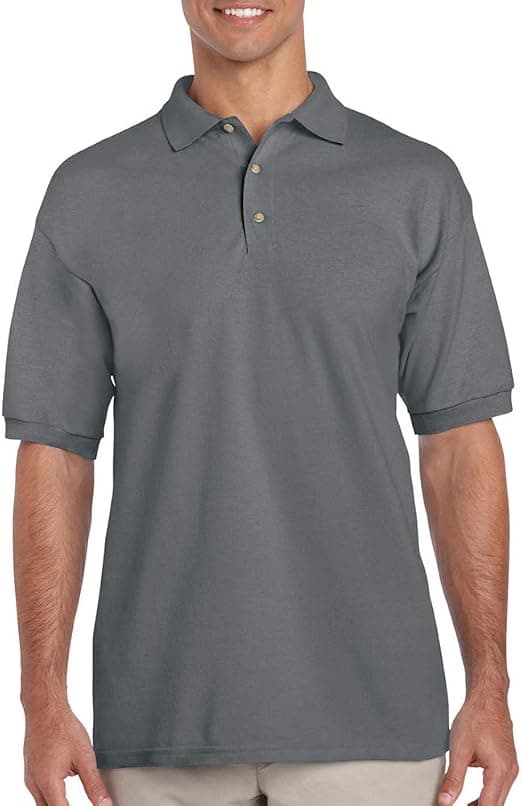
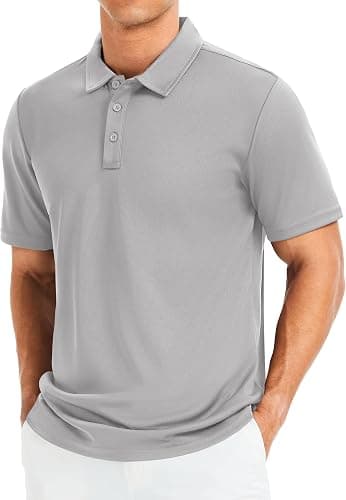
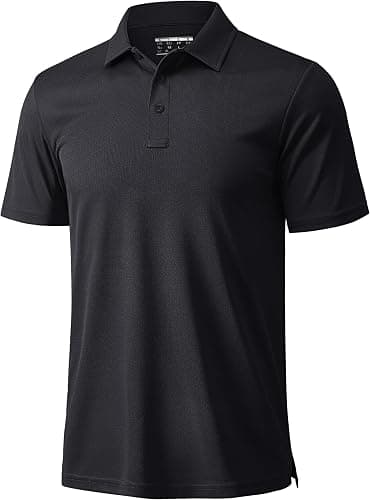
Care Home and Healthcare Staff Polos: Practical Uniform Tips
By The Velocity Wear Team
Care home and home care staff spend long shifts lifting, supporting, walking and cleaning. Many providers have moved from tunics to embroidered polos, which are comfortable and look friendly. Whatever you choose, your uniform should support your infection prevention and control policy, not work against it.
Follow your infection control policy
Health and care uniform guidance generally favours short sleeves or bare below the elbow for clinical tasks, fabrics that can be laundered at high temperatures, and uniforms changed daily or when soiled. Follow your organisation's IPC policy and relevant national guidance. This article is general, not clinical advice.
Fabric choice
- Poly-cotton polos handle frequent hot washing and hold colour.
- Check care labels to confirm the wash temperature your policy requires.
- Avoid delicate decoration that won't survive repeated hot washes.
- Embroidery generally survives laundering well.
Colours and roles
Many providers colour-code roles so residents, families and visitors can tell a carer from a nurse, manager or domestic staff at a glance. Keep a simple chart on the wall. Remember each colour counts as a separate design for minimums.
Logos and identification
An embroidered logo on the left chest looks professional. Job titles on the right chest help families. Name badges are usually better than embroidered names, given staff turnover and the need to remove identification outside work in some roles.
Home care staff
Domiciliary carers visiting homes benefit from clear branding so clients recognise them at the door. Pair a polo with a branded fleece or softshell for travelling between visits, and remind staff about local guidance on wearing uniforms outside work.
How many per person
With daily changes, staff typically need at least four to five uniform tops. Order spares for new starters and replacements.
Comfort matters for retention
Care work is demanding, and uncomfortable uniforms don't help morale. Offer fitted and regular cuts, a range of sizes, and ask staff for feedback before reordering.
Laundry arrangements
Decide whether uniforms are laundered on site or at home. On-site laundries can control temperatures and processes. Where staff wash at home, give clear instructions in line with your policy, and provide enough uniforms for daily changes.
Colder weather layers
Staff moving between buildings or visiting homes in winter need a warm layer. Branded fleeces or softshells over polos keep the uniform consistent. Check your IPC policy on wearing layers during care tasks.
Involve staff in the choice
Ask a few carers to trial a sample polo through several shifts before ordering for everyone. They'll tell you quickly if the fabric's too hot, the collar rubs or the fit restricts movement. A uniform chosen with staff input gets worn properly.
Activity coordinators and support staff
Activity coordinators, kitchen staff and maintenance teams also benefit from branded kit. A different colour per team helps residents and families know who to ask.
Name badges and dementia care
In dementia care, large, clear name badges with a first name help residents. Uniform colours that stay consistent over time also support familiarity.
Agency staff
Where agency staff cover shifts, keep a stock of uniforms and badges so residents see a consistent team.
Ordering
Our minimum is 20 per design with sizes and cuts mixed. Polos start from $18 each at 20 pieces. Production takes 10 to 15 working days after artwork approval. See polo shirts, corporate uniforms and jackets and outerwear.