HVAC, Plumbing and Electrical Uniforms That Build Trust
By The Velocity Wear Team
Home service companies send technicians into people's homes every day. Uniforms matter more here than almost anywhere: they signal legitimacy, safety and professionalism before a word is spoken, and they advertise the company on every driveway.
Polos or tees?
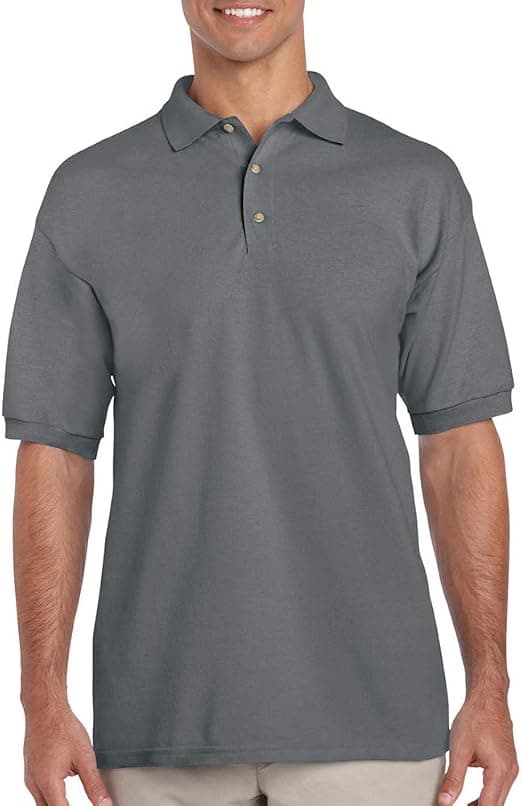
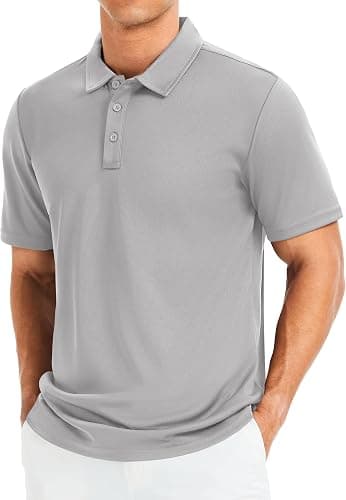
Embroidered polos look most professional for in-home visits. Performance polos suit attics, crawl spaces and hot climates. Durable tees work for summer install crews.
Fabric
Poly-cotton blends and performance fabrics handle sweat, dirt and frequent washing. Dark colors like navy, charcoal and black hide grime.
Branding
- Embroidered logo on the left chest.
- Company name, phone number and website on the back.
- Technician's first name on the right chest for a personal touch.
- License number on the sleeve where required or helpful.
Safety
Electricians may need arc-rated or flame-resistant clothing for certain tasks, as required by NFPA 70E and employer safety programs. Regular polos and tees are not FR. Follow your safety requirements for task-specific PPE.
Winter layers
Branded hoodies, quarter zips and softshells keep techs warm in winter while maintaining the look. Match colors and logo placement.
How many
Five shirts per full-time tech covers a week. Add layers and spares for new hires.
Marketing value
Use uniformed tech photos on your website, Google Business Profile and trucks. A tech photo in the appointment reminder builds trust before arrival.
Mistakes to avoid
- 1Light colors that show grime.
- 2Wearing standard polos where FR clothing is required.
- 3No phone number on the back.
- 4Inconsistent uniforms across the fleet.
Quick checklist
- Embroidered polos for in-home visits?
- Dark, durable fabrics?
- Contact details on the back?
- FR requirements checked?
- Winter layers matched?
Uniforms and the first five seconds at the door
Homeowners are rightly cautious about letting strangers in. A tech who arrives in a clean, clearly branded shirt that matches the truck in the driveway and the photo in the appointment text removes a lot of that anxiety. Some companies send customers a technician profile with a photo in uniform before arrival. The uniform turns that photo into a recognizable, trustworthy person at the door.
Seasonal demand and crew growth
HVAC companies hire heavily ahead of summer and winter peaks. Order uniforms before hiring waves, not after new techs have already started in their own clothes. Keep a small stock of the most common sizes, and include uniform issue in onboarding so every new tech has shirts on day one.
Consistency across a fleet
Growing companies often end up with three generations of uniforms: the original logo, a rebrand, and whatever someone ordered in a hurry. Write a one-page uniform spec with the shirt style, color, logo size and placement, thread color and back print. Retire old uniforms on a set date after a rebrand so customers see one consistent company.
Budgeting per technician
A practical starting allocation for a full-time tech is five shirts, one or two winter layers and a cap. Multiply by headcount, add spares for new hires and replacements, and check totals on our price calculator. Replacing shirts on a regular schedule, perhaps once a year, keeps the fleet looking sharp instead of letting faded shirts drift into service.
Caps and outerwear
Branded caps keep sun off techs working outdoors and pull the look together in photos. For winter emergency calls, a branded softshell or insulated jacket with the company name on the back keeps visibility up at night in a customer's driveway. Match colors and placement to your shirts so the fleet looks the same in every season.
Get started
Minimum 20 per design. See polo shirts, jackets and outerwear and custom work shirts.