Embroidered Workwear: One Logo, Every Garment
By The Velocity Wear Team
Embroidered workwear gets nearly three thousand UK searches a month, and branded workwear another sixteen hundred, at some of the highest click costs in clothing. Businesses buying it usually want a full set: polos, sweatshirts, fleeces, softshells and caps. Keeping the logo consistent across all of them is the part that makes a team look professional.
Why logos look different on different garments
Thread sits differently on piqué, fleece and smooth softshell. A logo digitised for a polo may look too dense on a thin softshell or sink into a thick fleece. Good embroidery adjusts the stitch file for each fabric so the logo looks the same, even though the settings underneath differ.
Set a size standard
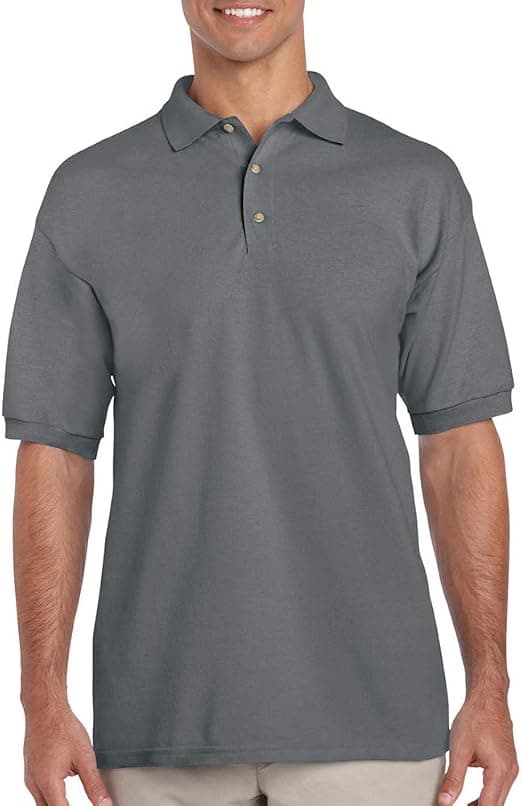
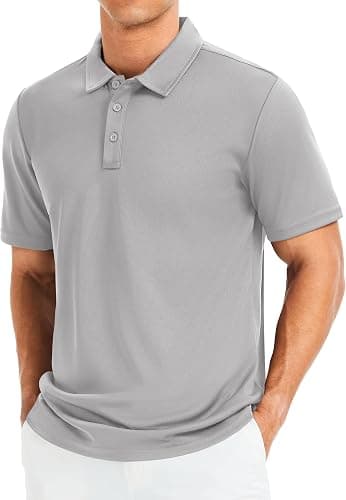
- Polos and tees: left chest, about 8 to 9 cm wide.
- Sweatshirts and fleeces: left chest, about 9 to 10 cm wide.
- Softshells and jackets: left chest, about 9 to 10 cm, avoiding zips and seams.
- Caps: front panel, about 10 to 12 cm wide.
- Back of jackets: a larger printed or embroidered logo, about 25 cm wide.
Placement consistency
Measure placement from a fixed point, usually down from the shoulder seam and across from the centre front. Write it down. Otherwise one batch of polos has logos under the collar and the next has them halfway down the chest.
Thread colour on different fabric colours
If your workwear comes in several colours, a single thread colour might not work on all of them. White thread on navy, but navy thread on grey. Decide these pairings once and record them.
Tricky garments
- Waterproof jackets: embroidery pierces the fabric and can compromise waterproofing. Printing or a patch may be better.
- Hi-vis: decoration must not cover reflective tape or reduce certified fluorescent areas.
- Thin performance fabrics: need lighter designs and proper backing.
Build a workwear spec sheet
One page listing each garment, colour, logo size, position, thread colour and supplier reference. Share it with whoever orders. It makes every reorder identical and new starters look the same as long-serving staff.
Order in a set
Ordering polos, fleeces and softshells together ensures colours and logos are checked side by side before production. Our minimum is 20 per design, sizes mixed, and different garments count separately.
Who should own the spec
Give one person responsibility for workwear: usually an office manager or operations lead. They hold the spec sheet, approve proofs and place orders. When anyone can order from anywhere, logos drift within a year.
Budgeting a full workwear set
Price each garment at the quantity you need, then total it. Polos, fleeces and softshells each have their own minimum and price breaks. Ordering once a year for the whole team is usually cheaper than several small orders, and it makes checking colours and logos much easier. Use the calculator to see totals in pounds.
Multi-site businesses
Businesses with several sites should order workwear centrally from one spec. Site managers ordering locally from different suppliers is the fastest way to end up with three versions of the logo.
Approving the first proof carefully
The first approved proof becomes your standard. Check logo size, position and thread colour carefully on each garment before production, because every future reorder will copy it.
Get started
See corporate uniforms, polo shirts, jackets and outerwear and caps. Production takes 10 to 15 working days after artwork approval.