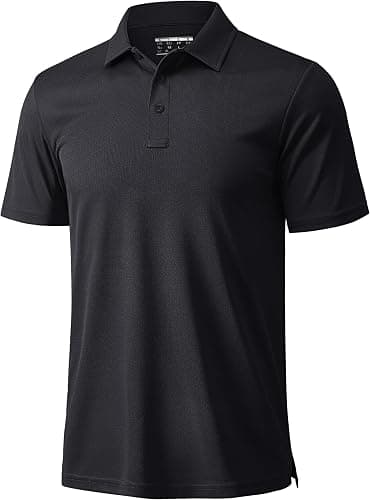
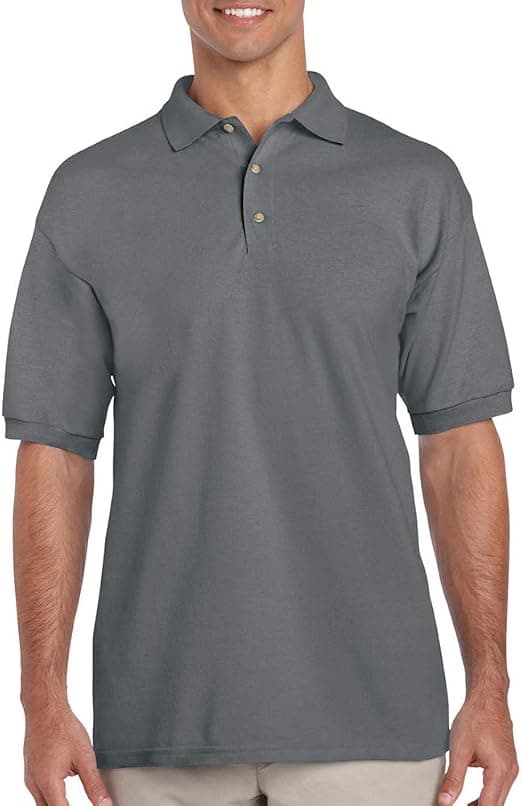
Corporate Uniforms for Trades: samples
By The Velocity Wear Team
A workwear sample costs £150 and is credited against the bulk order, which makes it inexpensive insurance before committing a whole crew to a specification. Site conditions are the hardest test any branded garment faces, and a fortnight of real wear reveals things about fit, fabric and decoration that no specification sheet or render will show you.
The other reason is internal. Handing a physical garment to whoever approves the spend is far more persuasive than a specification sheet, and it removes the risk of a senior objection arriving after production has started. Crews are also more willing to accept a change of kit when someone they work alongside has already tried it and said it was fine. A garment that has been worn on site for a fortnight carries an authority no catalogue image does, and that matters when a whole workforce is being asked to change what they wear.
Why order a sample before kitting a whole crew?
Because the cost of being wrong scales with the crew. A fit problem on one garment is a conversation; the same problem across three hundred pieces is a year of complaints and a run of kit that stays in the store. Site work is also unforgiving in ways an office is not, so assumptions that hold for a corporate polo do not automatically transfer.
The sample is produced in the same specification as the intended run, so what arrives is the garment you would receive at volume. Rates for the range it comes from are on the wholesale uniforms page, and the methods available are confirmed with the quote.
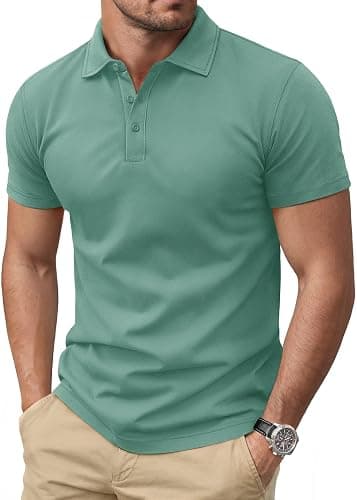
What should a foreman test on it?
Give it to someone who works, not to someone who inspects. The test is a full working week at minimum, laundered the way the crew actually launders, then another week. Anything that is going to annoy people shows up in the second week rather than the first.
- Movement overhead and at full stretch, with the garment tucked or untucked as worn
- Whether the mark survives the wash temperature the crew genuinely uses
- How the fabric behaves under a harness, a tool belt or a rucksack strap
- Whether the fit still works with a base layer underneath in cold weather
What can a sample not tell you?
How it ages over a season, and how a different size sits on a different build. It proves the specification and the decoration, which is what it is for, but a fortnight cannot simulate a year of sun and abrasion. Nor does one size validate a whole curve, which is why the size split is planned separately in trade size splits.
Build the sample into the schedule rather than treating it as optional. It is produced and delivered before the main run, and the 10 to 15 working day production window only begins once artwork is approved afterwards. The site programme context is on the construction and trades page, and specification choices are covered in specifying construction workwear.
Write the findings down while the garment is still in use. A verbal report from a foreman three weeks later compresses into a shrug, whereas a short list of what worked and what did not becomes the amendment sheet for the final specification. Note the wash temperature used, how many cycles it went through and what the garment looked like at the end, because those three facts explain most of what you are about to decide.