Corporate Uniforms for Offices: print or embroidery
By The Velocity Wear Team
Most office uniform programmes end up mixed: embroidery on polos, shirts and outer layers, print on anything lightweight or highly coloured. Thread survives a laundry cycle that a surface print can struggle with, while DTF and screen printing carry detail and gradients that stitching cannot resolve. Corporate uniforms start at $20 a piece at our 50-piece minimum, and the method you choose barely moves that figure.
Which method should an office programme default to?
Embroidery is the sensible default for a corporate polo, a shirt chest and a softshell. It is thread rather than a coating, so it does not crack, peel or wash pale, and it carries the weight a client-facing garment needs. Embroidery is priced by stitch count rather than by colour count, which means a two-colour wordmark and a four-colour crest of the same physical size cost about the same to run. Our wholesale uniforms page sets out the from-price and the decoration methods we hold in house.
Where thread struggles is fine detail. A logo with small type beneath it, a hairline serif, a thin rule or a gradient will not resolve at chest size in stitch, and forcing it produces a dense, puckered patch that reads worse than no logo at all. That is the point where a print method takes over.
Where does DTF beat a stitched logo?
DTF handles full colour, photographic elements and small type at a size embroidery cannot reach. It also sits flat, which matters on a fitted shirt where a stitched patch can pull the fabric. For an office programme it usually covers three jobs: a detailed logo lock-up, a back or sleeve mark carrying a strapline, and any garment where the fabric is too light to take a dense stitch without distortion. Screen printing takes over when the run is large and the artwork is a few solid colours, because the cost per piece drops as quantity rises.
The rest of the programme — shirts, polos, aprons and outer layers — is best treated as one specification rather than four separate decisions. The corporate and office kit page covers how those pieces are usually put together for an onboarding pack.
How does decoration change across shirts, polos and outer layers?
Each layer behaves differently under the needle and under the press, and a programme that ignores that ends up with a logo that looks three different sizes.
- Woven shirts: embroidery on the left chest, kept modest. A woven shirt shows every stitch, so an oversized mark looks heavy.
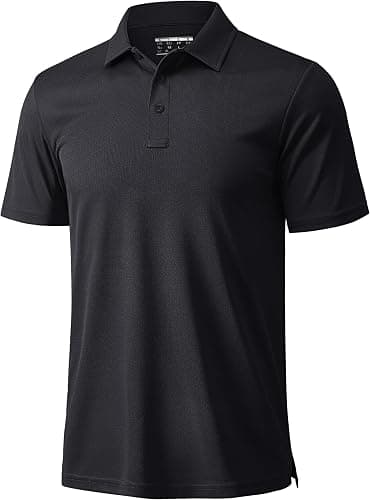
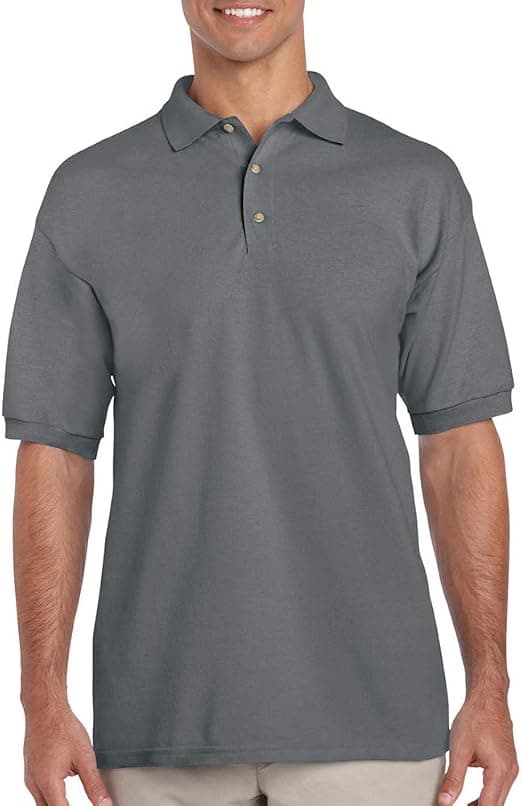
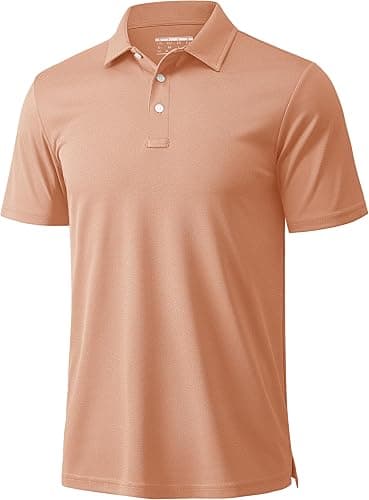
- Polos: the most forgiving garment in the range. Embroidery, DTF and 3D puff all work, and the placket gives you a natural alignment reference.
- Aprons: usually a larger centre-chest mark. Print suits a detailed logo here because the area is flat and the fabric is stable.
- Outer layers: embroidery, with a second mark on the back or sleeve if staff are seen outside the building.
Keep the physical width of the chest mark the same across all of them rather than scaling it to the garment. A 90mm logo on the shirt and a 70mm one on the polo will be noticed in a line-up, even by people who could not say why.
What does the artwork need to look like before we start?
Send vector artwork where you have it, with the fonts outlined and the brand colours named. For embroidery we match to thread, which is a physical palette and will never be an exact digital match, so tell us which colour has to be right and which can move. For print, supply the file at the size it will be used. Production runs 10 to 15 working days from artwork approval, before delivery transit, and that clock only starts once the decoration is signed off. If you want to see the method on the actual fabric first, the sampling route for an office order is the £150 sample, credited against the bulk order that follows.
One more thing worth deciding early: whether the garments carry your own neck label. Custom woven labels, tear-out labels and swing tags are set at the same time as the decoration, and retrofitting them to a run already in production is not possible. Programmes that run across several departments benefit from writing the specification down once rather than rebuilding it at every reorder.