Building a Corporate Apparel Program That Doesn't Get Messy
By The Velocity Wear Team
Corporate apparel gets about thirteen hundred US searches a month, often from HR, marketing or operations leads who've been handed the job. The challenge usually isn't finding shirts. It's stopping the logo from appearing in five sizes, three blues and two outdated versions across the company.
Step 1: define an approved range
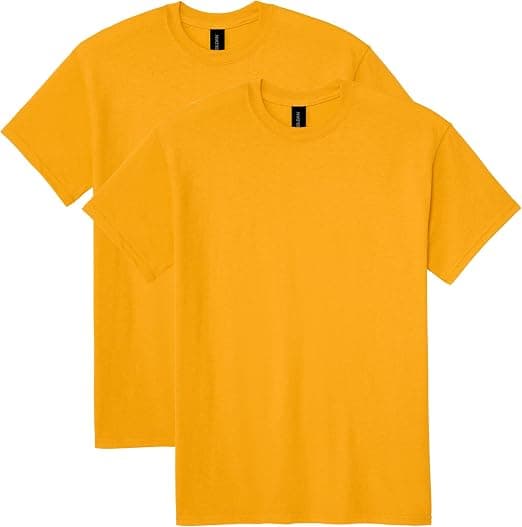
Choose a small set of items that cover most needs: a polo, a tee, a quarter zip or crewneck, and an outer layer. Add role-specific items only when needed, like hi-vis for field crews.
Step 2: write brand standards
- Approved logo versions for embroidery and print.
- Logo sizes in inches for each garment.
- Placement measurements.
- Approved thread and ink colors.
- Approved garment colors.
One page is enough. Share it with anyone who orders.
Step 3: decide who orders
Centralize ordering through one team or person. When every department orders independently, standards drift and costs rise because orders are smaller.
Step 4: set budgets and allowances
Decide what each employee receives, how often items are replaced, and whether departments can buy extras from their own budgets. Predictable allowances make annual budgeting simple.
Step 5: manage inventory
Order in bulk once or twice a year for better pricing, and keep a stock of common sizes for new hires. Track what's issued and reorder when stock falls below a set level.
Step 6: handle remote staff
Ship from central inventory or use a fulfillment partner. Collect sizes in a pre-start form. Keep packaging consistent so remote hires get the same experience as office staff.
Step 7: review annually
Ask employees which items they wear. Drop the losers and invest in the winners. Update logos and colors in one go if the brand changes.
Pricing benefits
Consolidating orders helps you reach price breaks at 50, 100, 250, 500 and 1,000. Polos start from $18 and tees from $13 each at 20 pieces. Check the calculator.
Common pitfalls
- Too many approved items, which splits orders and raises costs.
- No size data, leading to piles of unused XS and 3XL.
- Letting outdated logos stay in circulation after a rebrand.
- Forgetting women's cuts and extended sizes.
- No clear owner, so standards drift within a year.
Measuring success
Track issued items against employee counts, reorder frequency by item, and informal feedback. If an item is never requested after the first issue, drop it. If employees ask for extras of something, expand it.
Event and campaign apparel
Keep one-off event apparel, like a company picnic tee or a product launch shirt, outside the core program but inside the brand standards. It keeps the program simple while allowing fun, limited designs.
Company stores
Some companies run an internal store where employees and departments order approved apparel. It centralizes standards and lets people buy extras. For smaller companies, a simple request form and periodic bulk orders achieve the same result without the overhead.
Rebrands
When a company rebrands, set a retirement date for old apparel and plan a single replacement order. A mix of old and new logos confuses customers and weakens the new brand.
Sustainability in apparel programs
Ordering only what employees will wear, choosing durable garments and avoiding frequent logo changes all reduce waste. If you make sustainability claims about apparel, be specific and able to support them.
Get started
See corporate uniforms, polo shirts and jackets and outerwear. Production takes 10 to 15 working days after artwork approval.