Corporate Uniforms for Hotels: size splits
By The Velocity Wear Team
A hotel size split has to cover three things at once: the people on the payroll today, the rotation each of them needs through the laundry, and the starters arriving over the next few months. Sizes mix freely inside the 50-piece minimum per design, so the constraint is not the minimum — it is deciding how much depth to hold and where to put it.
How many of each size does a hotel floor need?
Count in garments per person rather than garments per head. Someone working five shifts a week needs enough pieces to keep a clean one available while the others are in the wash, which in a property with a commercial laundry cycle usually means three to four. Multiply that by the department headcount and you have the working figure before any buffer.
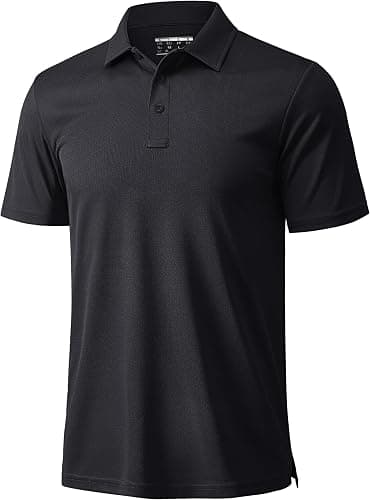
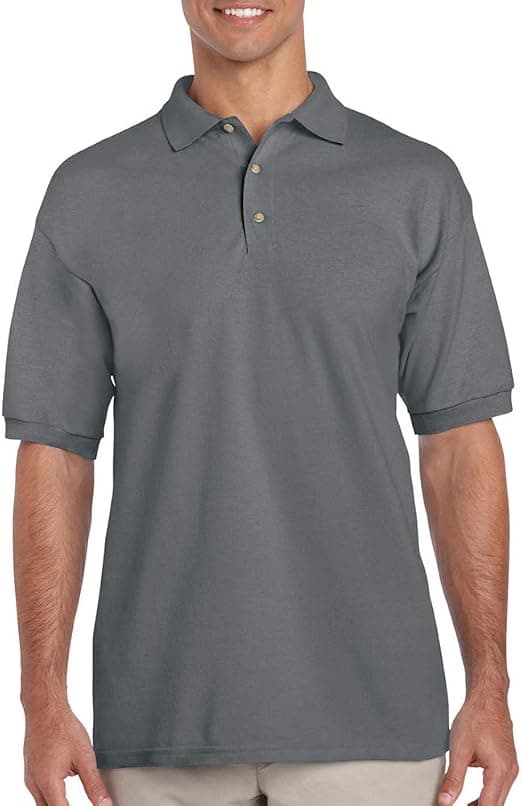
Then look at the shape of the department rather than at a standard curve. Housekeeping, kitchen and front desk teams often have quite different size distributions from each other, and applying one split across all three guarantees surplus somewhere and shortage somewhere else. The wholesale uniforms page covers the garment range these departments usually draw from.
Should sizing follow the department or the person?
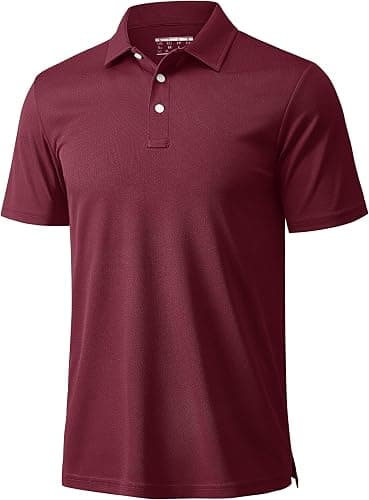
Both, at different stages. Named-person sizing is right for the initial issue, because you know who is on the floor and what they wear. Department-level sizing is right for the buffer stock, because the buffer exists for people who have not been hired yet.
Where properties go wrong is issuing everything to named individuals and keeping nothing central. A hotel with turnover — and hotels have turnover — then has no garment to hand a starter on day one, and a new run is 10 to 15 working days from artwork approval before transit. A central buffer in the two or three most common sizes per department solves that for the cost of a handful of pieces.
What do you do about starters and leavers?
Decide early whether uniforms come back. Many properties recover outer layers and structured pieces while writing off shirts and polos, which is a reasonable line: the cheap garments are not worth the laundering and the awkward conversation, and the expensive ones are. Whatever the policy, write it down and tell staff at issue rather than at exit.
Keep a simple issue log — who has what, in which size, from which run. It makes the next restock arithmetic rather than guesswork, and it tells you which sizes actually moved. The broader guidance on getting a size run right covers the fit side in more depth, and the hotel sample round is where grading should be confirmed before 50 pieces are cut to an assumption.
Towels follow the same rotation logic and are quoted per job rather than per piece; the wholesale towels page is the place to start if they are going on the same order.
Where a property runs several garments per role — a shirt, an apron and an outer layer, say — size each one separately rather than copying the split across all three. They are cut differently and they are worn over different layers, so the same person is often not the same size in all of them. Copying one split across a whole programme is the fastest way to end up with surplus in one garment and shortage in another while the total still looks correct on paper. The outer layer in particular runs larger in practice, because it goes over everything else. Ask department heads to confirm garment by garment rather than signing off a single list.