Corporate Uniforms for Hotels: samples
By The Velocity Wear Team
On a hotel order the £150 sample is the most useful £150 in the whole budget. A property kitting several departments is committing to hundreds of garments at once, and the only way to know how one behaves in your own laundry is to put it through your own laundry. The fee is credited against the bulk order. Samples are never free.
What does the sample prove that a render cannot?
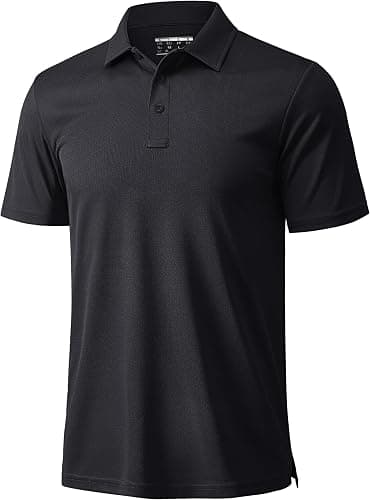
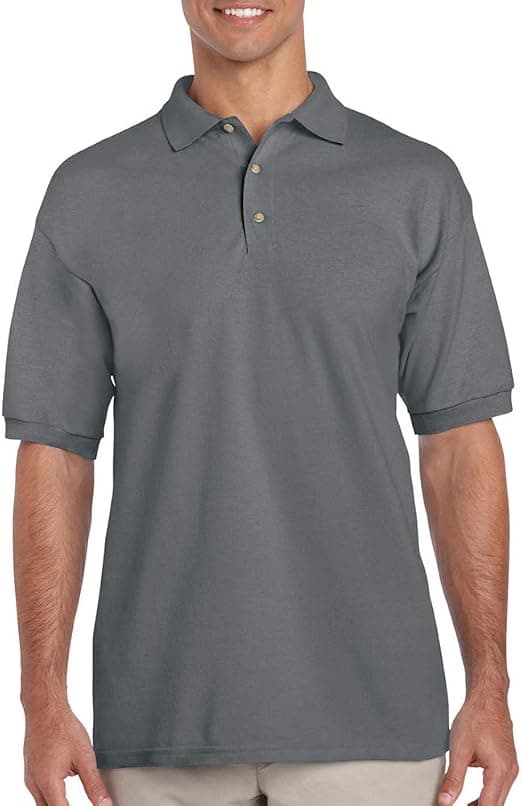
Weight, drape and hand. A render tells you what a logo looks like on a flat image; it cannot tell you whether the shirt hangs properly on a person walking across a lobby, whether the collar stands up after a shift, or whether the fabric feels like something a four-star property would put its name on. Those are the judgements a general manager is actually making, and they cannot be made on screen. The difference between the two is covered in more depth in what a render cannot tell you.
It also proves the decoration at real size. A logo that looks confident in a mockup can turn out to be smaller than expected in thread, or denser than expected on a light fabric. The wholesale uniforms page lists the garment options if the first choice does not survive the review.
How should a hotel wash-test before committing?
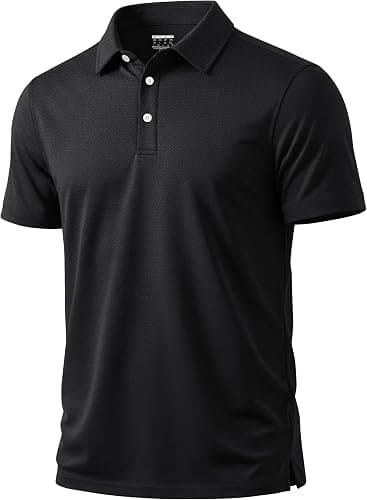
Put the sample through the same laundry the garments will actually live in, at the same temperature and with the same chemistry, and do it more than once. A single wash proves very little; five tells you how the colour, the decoration edge and the seams behave under repetition. If the property uses an external laundry contractor, send the sample through them rather than through a machine in the back office — the contractor is the real test.
Then have somebody wear it for a full shift. Housekeeping is the harshest test in the building, and a garment that survives a housekeeping shift will survive the front desk. Note anything specific: a seam that rubbed, a hem that rode up, a cuff that caught on a trolley.
Which garment is worth sampling first?
The one with the most units behind it, which in most properties is housekeeping rather than the concierge jacket everybody wants to discuss. Sample where the volume is, because that is where a mistake is most expensive. If the programme spans genuinely different fabric families — a structured outer layer as well as a polo — a second sample at £150 is worth taking, and both are credited against the bulk order.
Build the round into the schedule: production is 10 to 15 working days from artwork approval before transit, and sampling sits ahead of that. Towels, which are quoted per job, can be sampled on the same basis, and the wholesale towels page sets out the range. Once approved, the specification carries into every subsequent restock without repeating the exercise.
Circulate the sample rather than keeping it in the office. A garment that has been seen and handled by the heads of each department is approved far faster than one described in an email, and the objections that surface at that stage are the ones that would otherwise surface at delivery. Set a deadline for comments, collect them in one place, and send a single consolidated list back rather than a series of individual notes over a fortnight. Consolidated feedback is acted on in one pass; drip-fed feedback turns into several, and each round costs calendar time the opening date does not have.