Custom Button-Up Shirts or Polos? An Honest Comparison
By The Velocity Wear Team
Custom button-up shirts get about sixteen hundred US searches a month. Before going further: we make polos, tees and layers, not woven button-ups. So we have no reason to push you one way. This is a straight comparison to help you choose the right uniform, even if the right answer is a supplier who makes button-ups.
What a button-up says
A woven button-up shirt, whether oxford, poplin, twill or denim, reads as more formal and traditional. It suits banks, hotel front desks, upscale restaurants, car dealerships, law offices and events where staff need to look polished.
What a polo says
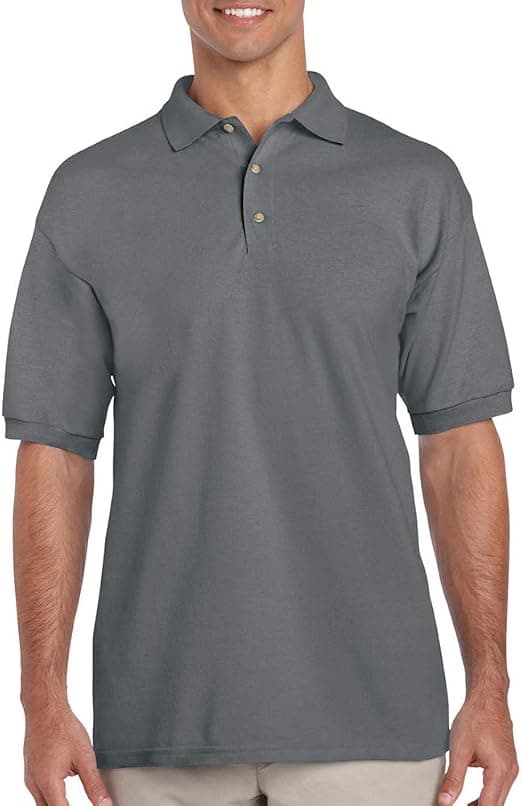
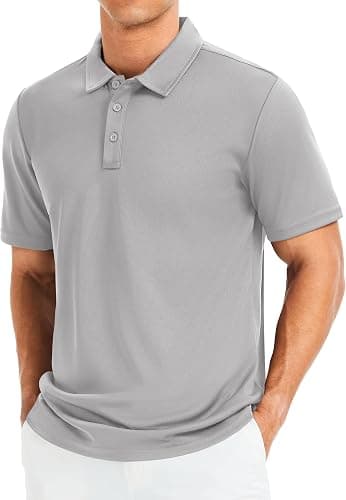
A polo is smart-casual. It suits trades, retail, tech, healthcare offices, golf, events and most customer-facing roles where comfort matters as much as looks.
Comfort and practicality
- Polos stretch, breathe and handle movement better.
- Button-ups can feel restrictive for physical work.
- Performance polos wick sweat; woven shirts generally don't.
- Button-ups often need ironing; polos usually don't.
Branding
Both embroider well on the left chest. Button-ups sometimes carry a logo on the cuff or collar point for a subtle look. Polos can also carry a back yoke print. For heavy printing, neither is ideal, and a tee is a better canvas.
Cost
Woven button-ups generally cost more per piece than polos. Our polos start from $18 each at 20 pieces. For large teams, the difference adds up quickly.
Care and durability
Poly-cotton polos survive frequent washing with little fuss. Button-ups need more careful laundering to keep collars and cuffs looking sharp, and some need pressing. If staff launder their own uniforms, low-maintenance matters.
When to choose a button-up
- The environment is formal or luxury.
- Your industry expects a collared, buttoned shirt.
- Staff wear ties or blazers.
- The work isn't physical.
When to choose a polo
- Staff move, lift, bend or work outdoors.
- You want low-maintenance uniforms.
- The brand is approachable and modern.
- Budget per shirt matters.
Consider the climate
In hot, humid states, staff in woven button-ups can be uncomfortable, especially outdoors or in busy restaurants. A performance polo keeps a professional look while staying cooler. In air-conditioned offices and hotels, a button-up is more comfortable.
Ask the people who'll wear them
Before deciding, try both with a few employees for a week. They'll quickly tell you which is practical for their day. Uniforms staff find comfortable get worn properly, and that's what makes the whole team look sharp.
Seasonal switching
Some businesses use button-ups in cooler months and polos in summer, keeping the same logo and color palette. It's a practical compromise in regions with hot summers and cold winters.
Hospitality and dining
Fine dining restaurants often use woven button-ups for servers, while casual dining, breweries and cafés favor polos or tees. Hotel front desks may use button-ups while housekeeping, maintenance and pool staff wear polos. Matching colors across both keeps the brand consistent.
Corporate offices
Many offices have relaxed dress codes where polos and quarter zips replace button-ups for everyday wear. Branded knitwear works well for internal events and Fridays, while client-facing leadership may still choose button-ups.
Samples
Try a polo sample alongside your current button-up before deciding.
Mixing both
Many businesses give managers or front desk staff button-ups and everyone else polos, all with the same logo and colors. We can supply the polo and layer side of that program. See polo shirts, corporate uniforms and our custom polo shirts guide.