Cleaning Company Uniforms: Practical, Professional and Trusted
By The Velocity Wear Team
For cleaning companies, the uniform does a lot of quiet work. It reassures clients opening the door, identifies staff in office buildings after hours, and makes a small firm look established. It also has to survive chemicals, bending, stretching and constant washing.
Fabric
Poly-cotton polos and tees handle frequent hot washing and hold their colour better than pure cotton. Avoid delicate fabrics that snag.
Chemicals and bleach
Bleach and some cleaning chemicals discolour fabric. No standard uniform is bleach-proof. Choose colours that hide small marks, like navy, charcoal or darker blues, and train staff to use aprons where bleach is involved.
Branding that builds trust
An embroidered logo on the chest looks professional and survives washing. A printed company name and phone number on the back helps neighbours and building staff know who's working, and brings in enquiries.
Comfort
Cleaning is physical. Offer relaxed fits, ladies' cuts and a full size range. Breathable fabrics matter in hot offices and homes.
Identification and security
Commercial clients often want cleaners easily identifiable. Pair uniforms with photo ID badges. Collect uniforms when staff leave to protect client security.
Winter layers
A branded fleece or softshell for travelling between jobs keeps the look consistent. See jackets and outerwear.
How many
Three to five tops per full-time cleaner covers a week of washing. Keep spares for new staff.
Mistakes to avoid
- 1Light colours that show bleach marks.
- 2No company name on the back.
- 3Not collecting uniforms from leavers.
- 4Only men's cuts.
Quick checklist
- Poly-cotton polos or tees?
- Dark colours?
- Chest logo and back contact details?
- ID badges?
- Return policy for leavers?
Domestic vs commercial cleaning
Domestic cleaners visit homes, where trust at the door is everything, so a clearly branded polo and photo ID matter most. Commercial cleaners often work in offices after hours, where security staff need to identify them quickly. A distinct colour and the company name on the back help both.
Tunics, polos and tees
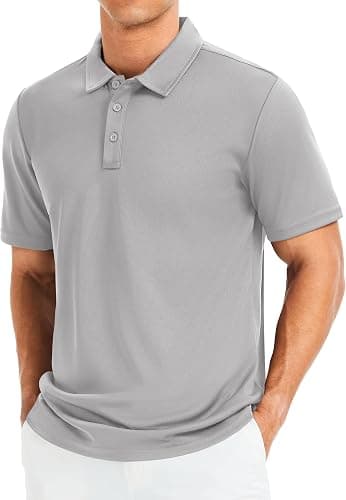
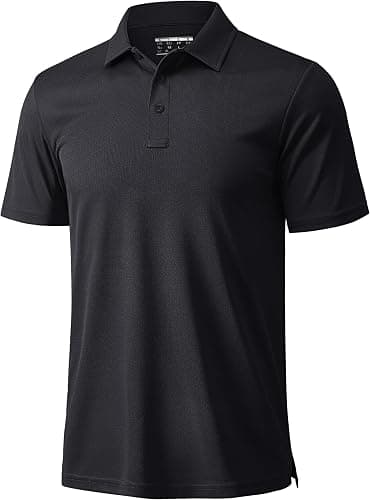
Some cleaning companies use tunics, which are specialist workwear. Polos are a practical, professional alternative for many teams and easier to embroider. Tees suit hot environments and physical deep-cleaning jobs. Choose based on the work and what your staff find comfortable.
Marketing value on the move
Cleaning staff often travel between jobs on foot, by bike or in branded vans. A clear back print with your phone number or website is seen by neighbours and passers-by all day. Many small cleaning businesses win work this way.
Staff turnover and uniform returns
The cleaning sector can have high turnover. Avoid embroidered names on uniforms, keep a stock of common sizes, and include uniform return in your leaving process. Branded uniforms in the wrong hands can be a security risk for clients.
Budgeting for a growing team
Polos start from $18 and tees from $13 each at 20 pieces; the calculator shows pounds. Price breaks at 50 and 100 help growing companies. Order once or twice a year with enough stock for new hires.
Colour choice and client environments
Some commercial clients prefer cleaners to blend in during office hours, while others want them visible. Ask key clients before choosing a bright colour.
Photos for your website and reviews
Cleaning customers choose based on trust. A website team photo in matching uniforms, and staff photos on your Google Business Profile, show a real, organised company. Customers who see the same uniform arrive at their door feel reassured.
Get started
Polos start from $18 and tees from $13 each at 20 pieces. See polo shirts, corporate uniforms and work polo shirts.