Corporate Uniforms for Cafes: size splits
By The Velocity Wear Team
Cafe teams turn over faster than almost any other workplace, so a size split built purely around today’s roster will be wrong within a season. Sizes mix freely inside the 50-piece minimum per design, which gives you room to buy for the team you have and the team you will hire. The balance between those two is the whole decision.
How do you size for a team that turns over?
Split the order mentally into two pools. The first is named issue: every current barista, three or four garments each, in the size they actually wear. The second is unallocated stock held behind the counter for whoever starts next. In a cafe the second pool matters more than it does in an office, because the gap between hiring someone and having them on shift is often days rather than weeks, and a production run is 10 to 15 working days from artwork approval before transit.
A reasonable starting ratio is two thirds named, one third spare. Adjust upward on the spare side if the cafe runs heavily on students or seasonal staff. The wholesale uniforms page covers the garments that usually make up a counter kit.
Which sizes should carry the spare depth?
The ones your current team already clusters around, because that is the best available prediction of who walks in next. Resist buying one of every size at the extremes — those pieces sit unworn for years and they are paid for out of the same budget as the sizes you run out of by March.
Aprons are the exception and should be treated separately. Most cafe aprons adjust enough that a single size covers the whole team, which means the apron portion of the order can be bought purely on volume rather than on distribution. That frees up size planning to focus on the shirts and tees, where fit actually matters.
Does unisex sizing work behind a counter?
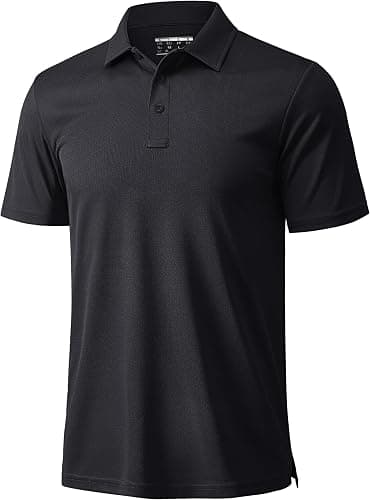
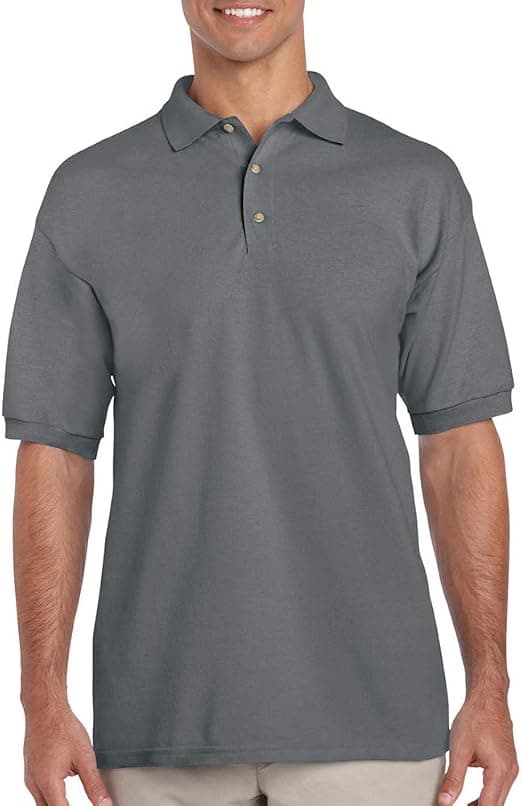
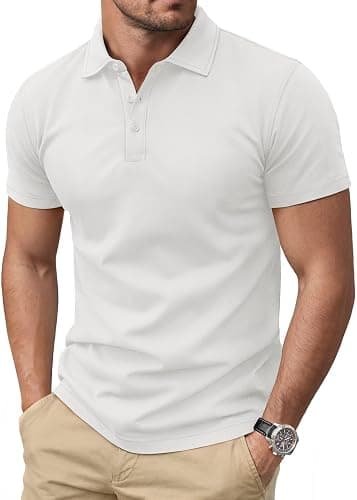
It works well for aprons and reasonably for loose tees. It works less well for fitted polos, where the difference between cuts is noticeable enough that staff quietly stop wearing the one that does not fit. If the budget allows only one cut, a relaxed unisex fit annoys the fewest people; if it allows two, offering a choice is the surest way to make staff actually wear the kit.
Remember that a second cut is generally a second design with its own 50-piece minimum, so this is a real decision rather than a free option. Confirm the grading on a real garment before committing — the cafe sample round is where that belongs. The restaurants and hospitality page covers the range of pieces a counter team draws from, and the general fit and size run guidance goes deeper on grading.
Whatever split you land on, write it down with the order and keep it. Six months later, the useful record is not what you bought but what ran out first, and that single line makes the next run arithmetic instead of another argument in the back office. Note the returns too — if a particular size kept coming back unworn, it does not need repeating, and the budget it frees up belongs in the sizes that emptied.
Aprons aside, resist ordering a garment nobody has tried on. A barista working a full shift in a fabric that turns out to be too warm will find a reason not to wear it, and the size split becomes irrelevant at that point because the whole run is sitting in a cupboard. Fit and comfort come first; the arithmetic of who wears what size only matters once the garment itself is right for a hot room and a long shift.