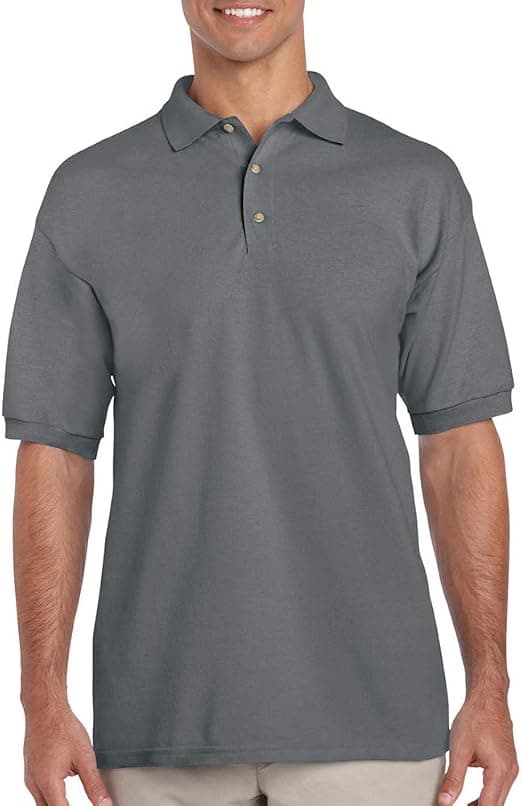
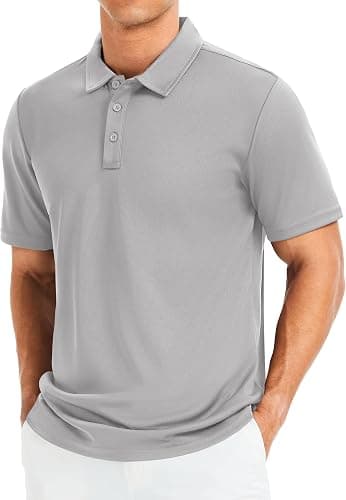
Polo or T-Shirt for Staff Uniforms? How to Decide
By The Velocity Wear Team
Both are comfortable, both carry a logo, and both cost far less than a proper uniform. So why does it matter? Because a collar changes how people read you. A polo says organised and professional. A t-shirt says relaxed and approachable. Neither is better. They send different signals, and one probably suits your business more.
When a polo is the better choice
- Staff visit customers' homes: trades, cleaners, carers, surveyors.
- You're in a regulated or trust-heavy field: estate agents, dental and vet practices, opticians.
- Front-of-house hospitality in hotels, golf clubs and restaurants.
- Retail where staff need to look distinct from customers.
- Anyone meeting clients at events or trade shows.
When a t-shirt is the better choice
- Relaxed cafés, bakeries, coffee shops and street food.
- Gyms, climbing centres and trampoline parks.
- Creative businesses and independent shops with a laid-back brand.
- Warehouse and logistics roles in hot environments.
- Events and festivals where staff need to be visible and cool.
Comfort
T-shirts are cooler and lighter, which matters in kitchens and on warehouse floors. Polos in cotton piqué breathe well, and performance polos wick sweat. Staff who are hot all day will quietly stop wearing whatever you give them, so be honest about the environment.
Durability
Polos, especially poly-cotton blends, generally stand up to heavy washing better than lightweight tees. A collar can curl on cheap polos, though, so choose a decent quality. Heavier t-shirts hold up well too.
Cost
T-shirts are cheaper. Our tees start from $13 each at 20 pieces and polos from $18. Across a team of ten with three shirts each, that difference is noticeable but rarely decisive. Check both on the calculator.
Branding differences
Polos suit embroidered left-chest logos and look premium with minimal branding. T-shirts suit bold prints and can carry a bigger, more playful design. If your brand is fun, a tee with a great back print can do more marketing than a polo.
Why not both?
Many businesses give managers or front-of-house staff polos and give kitchen or warehouse teams tees, with the same logo and colours. It keeps the brand consistent while respecting different jobs.
Ask the people who'll wear it
Before deciding, ask a few staff. They know whether the kitchen hits 35 degrees, whether a collar gets in the way when lifting, or whether customers treat them differently in a polo. Uniforms staff like get worn properly. Uniforms staff hate get hidden under jumpers.
Consider the season
Some businesses switch between the two: tees in summer, polos with a branded sweatshirt in winter. As long as the colours and logo stay consistent, customers still see one brand.
Name badges and extras
Polos take a clip-on or magnetic name badge more neatly than a t-shirt, where badges can pull the fabric down. If staff wear badges, lanyards or radios, that's a point in favour of a polo.
What your competitors wear
Look at similar businesses nearby. If every competitor wears polos, a well-designed tee might help you stand out as more approachable, or it might look less professional. Choose deliberately based on how you want customers to see you.
Trial both
Order samples of both and have staff wear them for a week. Customer reactions and staff comfort will usually make the decision obvious.
Order details
Minimum 20 per design, sizes mixed. Production takes 10 to 15 working days from artwork approval. See polo shirts and custom t-shirts.