Corporate Uniforms for Trades: reordering
By The Velocity Wear Team
Repeat runs of trade workwear follow the same rules as the first: fifty pieces per design, 10 to 15 working days from artwork approval, and a band set by the quantity of that run alone. For a contractor the reorder is not an afterthought but the main event, because base layers on site are consumed rather than kept, and the annual replacement run usually outsizes the original.
Decide what happens to worn kit at the same time. Garments past their best on a client-facing site are often still serviceable for yard work, stores or training, and moving them down rather than skipping them straight to the bin stretches each run further. Set a simple standard for what counts as no longer presentable and apply it consistently, because a business where everyone judges individually ends up with half the team in kit that should have been retired and the other half asking for replacements they do not need.
How do you restock a crew mid-year?
Set a stock trigger instead of waiting for someone to complain. When the store drops below a defined level in the common sizes, the reorder goes in. That way the production window runs while there is still usable kit on site, rather than while operatives are working in whatever they own.
Combine the top-up with anything else due. A replacement run for base layers placed alongside a seasonal outer layer order reaches a higher band than either would alone, which is worth more than the convenience of two smaller orders. The bands are published on the pricing page.
Will the second run match the first?
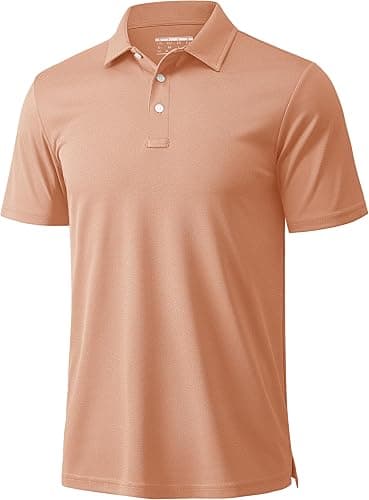
Closely, and closer still if you send a reference piece. Dye lots vary slightly, and the difference is only noticeable when a fresh garment stands next to one that has spent a summer outdoors. Supplying an unworn piece from the original run gives the factory something physical to match rather than a code on a page.
Where exact consistency matters for a client-facing crew, replace the whole team at once and move the older kit down to roles with less visibility. That keeps the front of the business uniform without discarding usable garments.
What should you keep on file between orders?
The vector artwork, the colour references, the fabric and fit chosen, the decoration method with its placement measurements, and what was actually issued by size. That last item is the one most contractors skip and the one that improves the next order most. Our note on repeating a design later lists what a supplier needs to reproduce a run faithfully.
Keep one unworn garment per run as a physical reference as well, bagged and out of daylight. The full site programme is described on the construction and trades page, and the garment rates that each reorder is priced from are on the wholesale uniforms page.
Put one person in charge of the repeat cycle and give them the file. Workwear restocking tends to be nobody's job until it becomes everybody's problem, and the resulting last-minute orders are placed at the entry band with expedited freight attached. A named owner with a stock level to watch and a diary reminder turns the most expensive kind of order into a routine one, and it costs nothing to set up.