Articles 193–240 of 439, newest first.
Tell us what you need and we reply with pricing, within 1 hour on working days.
50-piece minimum per design · Mixed sizes · We never share your details
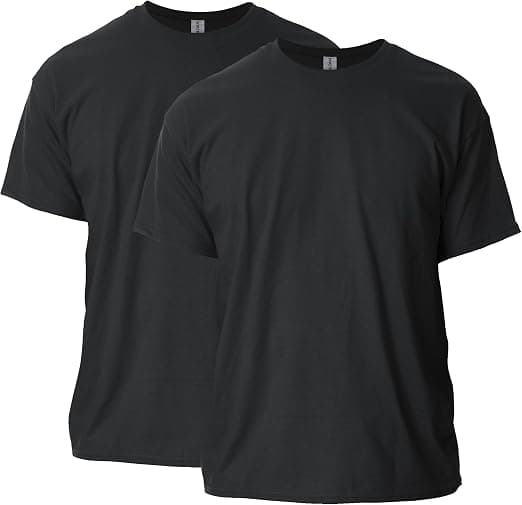
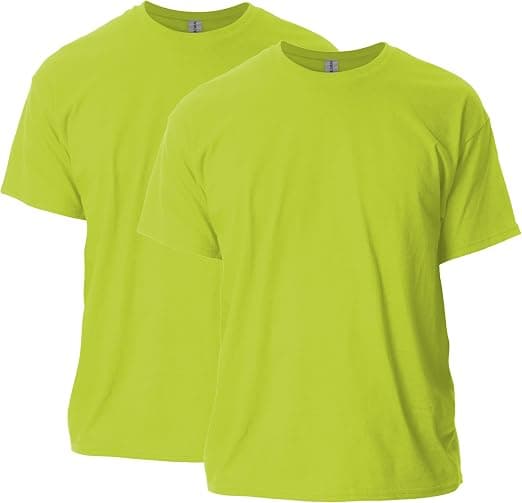
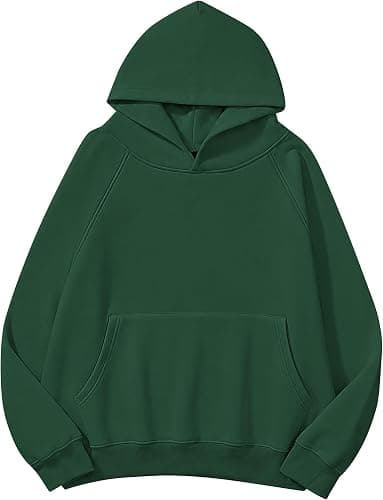
Crew tees start from £11 and hoodies from £30 at the 50-piece minimum. Here is how the price moves as an event order grows.
Fifty pieces per design, sizes mixed freely. The counting rule that decides whether an event order is one run or three.
An event date is immovable, so the buffer belongs at the end. Count back six weeks from the gates opening, not from load-in.
Crew sizing is arithmetic; merch sizing is a bet. The two halves of an event order should be split on completely different logic.
A mid-season restock runs on the same 10 to 15 working days, but dye lots move. Sometimes one larger run is the better answer.
A sample costs £150 and comes off the bulk invoice. Against a date that cannot move, it is the one check worth the fortnight.
Event branding runs from the print on the front to the label in the neck and the bag it sells in. Each one changes how merch is received.
An event supplier is judged on one thing above all: whether the kit lands before the gates open. Here is how to test that in advance.
May and June deliveries need an order placed in March or April. Spring is the busiest window in the calendar, so slippage costs most here.
Merch that misses the opening night misses the best selling night. Order six to eight weeks before the first date, not the first rehearsal.
A fundraising tee starts from £11 at the 50-piece minimum. Here is how that unit cost sits against what the garment raises.
The minimum is 50 pieces per design, and those 50 can be split across sizes however your volunteers need. Here is how that works for a charity budget.
Ten to fifteen working days of production, plus delivery, plus the approval stage that nobody budgets for. Here is how a charity should count backwards.
Volunteer bodies do not follow a tidy curve. Here is how to split a charity clothing order across sizes without leaving dead stock in a cupboard.
A charity design that works should be reordered, not redesigned. Here is how repeat runs work, and what keeps the second batch matching the first.
A sample costs £150 and is credited against the bulk order. For a charity spending donated money, that is cheap insurance on a run of 50.
Print is only the start. Woven labels, tear-out tags and the bag a shirt arrives in all change how a charity garment is received.
Spending donated money on branded kit deserves the same diligence as any other contract. Here are the questions that separate two quotes.
Summer fundraising dates do not move. Here is the arithmetic that tells a charity when the clothing order has to be signed off.
Tees from £11 and hoodies from £30 at the 50-piece minimum. Here is how merch pricing actually moves, and what it means for sell-through.
Fifty pieces per design, sizes mixed freely. Here is how that shapes a merch run, and what to do when fifty feels like too many.
Tour dates are fixed and print schedules are not instant. Here is the timeline a band should work to before the first show.
Merch sizing is a sales decision, not an admin one. Here is how to split 50 pieces so the table is not left with only extra smalls.
Selling out sounds good until the table is empty for the last six dates. Here is how band restocks actually work.
A render cannot tell you how a print feels after a wash. Here is what a band should check on a sample before committing to 50 pieces.
The neck label on most merch advertises a blank manufacturer. Here is what a band can replace it with, and what it costs in practice.
Most merch disappointments trace back to a question nobody asked at quote stage. Here are the ones that matter.
December merch is decided in October. Here is the arithmetic, and what to do if the artwork is not ready in time.
Merch that arrives after the opening date has already lost money. Here is the schedule a tour should be ordering to.
Polos from £15 and tees from £11 at the minimum. Here is what a salon actually spends once bleach and colour are factored in.
Fifty pieces sounds like a lot for a six-chair salon. Counted properly, across roles, spares and sites, it usually is not.
Production on a salon uniform order is 10-15 working days from artwork approval, and delivery sits on top. Here is how to count back to a fixed date.
Sizing a salon order is a rota exercise, not a formula. Here is how to split the 50-piece minimum so every chair is covered without dead stock.
A second run of salon kit can arrive a shade off the first if nobody plans for it. Here is how to restock so run two matches run one.
A salon sample costs £150 and comes back off the bulk invoice. Here is the list of things worth checking on it before you approve a run of 50.
Salon kit can carry woven neck labels, tear-out labels and swing tags. Here is which branding to use where, and how the pieces arrive packed.
Two salon uniform quotes rarely cover the same things. Here are the questions that make them comparable, and the answers that should worry you.
New Year brings the heaviest salon intake of the year. Ordering in November is what puts branded kit on the floor before the first January booking.
A first drop starts from £11 a tee and £30 a hoodie at the 50-piece minimum. Here is what moves that number and what sits on top of it.
Fifty pieces per design, sizes mixed freely. Here is how that rule applies to colourways, multiple products and a brand planning its first drop.
A drop date is built backwards from delivery, through a 10-15 working day build, to artwork approval. Here is where brands lose the weeks.
An even size split is the fastest way to end a drop with dead stock. Here is how brands build a curve inside the 50-piece minimum.
Reordering a design that sold is the cheapest growth a brand has. Here is when to place it and how to keep the colour consistent between runs.
A sample costs £150 and comes off the bulk invoice. For a brand it is the last chance to check fit, hand feel and label work before 50 pieces exist.
The label in the neck is what separates a brand from a printed blank. Here is the private label work available and when it has to be decided.
Two manufacturing quotes can look the same and mean different things. Here is what a brand should ask before committing a first drop budget.
Promo week only works if the boxes are already on the shelf. Here is how far ahead a clothing brand needs to order for Black Friday.
Show kit that arrives the day before the stand goes up is kit you cannot fix. Here is how far ahead a brand should order for trade show season.