Branding Options for Charities
By The Velocity Wear Team
A charity garment can carry far more branding than the chest print. Custom woven neck labels, tear-out labels, swing tags and printed packaging are all available on the same run, and each one is a separate small decision. Which of them are worth the money depends on whether the piece is being given to a volunteer or sold to a supporter on a stall.
What branding can go on a charity garment?
Five decoration methods cover almost everything: screen printing, DTF, embroidery, 3D puff and sublimation. On top of those sit the private label elements, which are the woven neck label, the tear-out label, the swing tag and the packaging. Volunteer kit usually needs one clear logo and nothing else. Merchandise sold to raise funds benefits from the labelling, because a shirt with a woven neck label and a tag reads as a product rather than as a handout, and it prices accordingly. The charities and fundraising page shows what we produce for both cases.
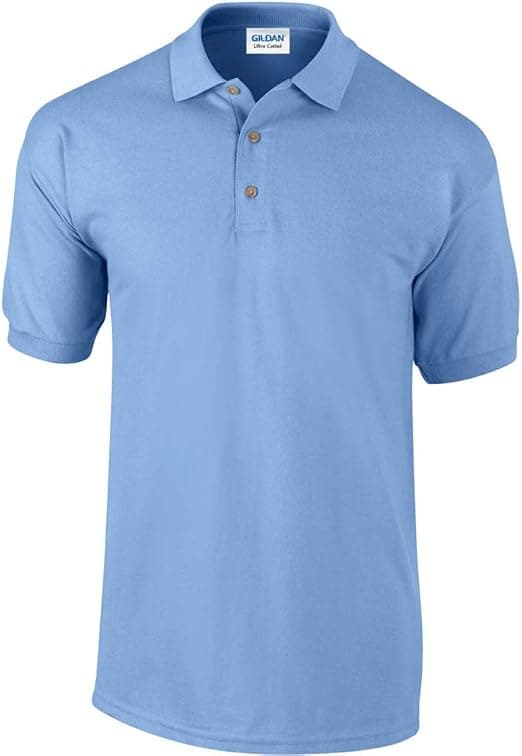
Are woven neck labels worth it for a charity?
For anything you sell, yes. The standard neck label names the blank manufacturer, which is a small advertisement for someone else stitched into your fundraising. Replacing it with your own woven label, or with a tear-out version that a supporter can remove, costs little across a run of 50 and changes what the garment feels like. For kit that only ever goes to volunteers, it is a genuine luxury and the money is usually better spent on the quantity tier. Woven labels and branding details sets out the options.
Which decoration suits a logo with fine detail?
Charity logos are often intricate, with thin lines and a strapline underneath. Embroidery renders type below a certain size as a blur, so a small strapline is usually the first thing to drop. Screen printing holds fine linework well but each colour is its own screen. DTF handles full-colour detail without a colour count, which suits a logo with gradients. Sublimation covers the whole panel but only works on light polyester. A proof will show you which way to go before anything is committed.
How do finished pieces arrive?
Pieces can be bagged individually or packed loose by size, and for a charity that choice matters more than it sounds. Individually bagged garments go straight onto a stall and survive being handled all day. Loose packing is faster to distribute to a room full of volunteers and produces less to clear up. Say which you want at the order stage, because it is decided in finishing rather than afterwards. Branding beyond the print covers the packaging side, and ordering routes are on the wholesale page.
How should the extra branding be prioritised on a tight budget?
Spend on the things a supporter sees before they decide to buy, and skip the rest. That means the print quality and the garment weight first, the neck label second, and the swing tag third. Printed packaging comes last, because on a stall the bag is thrown away in the first minute. Where the kit is being given rather than sold, the order reverses: nothing beyond a clear logo earns its place, and the money is better spent reaching a higher quantity tier.
Each of these elements is quoted with the run rather than sold separately, so ask for the price with and without them at the same time. Seeing both numbers side by side makes the decision straightforward instead of speculative, and it is a conversation that costs nothing to have before artwork is approved.
One last consideration is consistency across the years. A woven label design outlives any single campaign, so it is worth drawing it once, properly, rather than redoing it with each new shirt. The same applies to the swing tag layout: keep the structure and change only the wording, and every run afterwards costs less to prepare than the one before it.