Samples Before Bulk: A Guide for Events
By The Velocity Wear Team
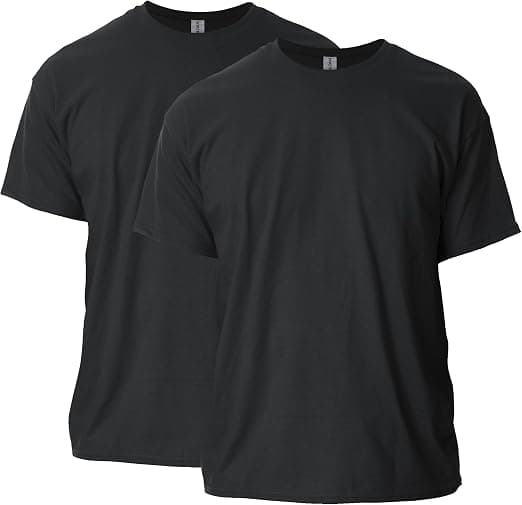
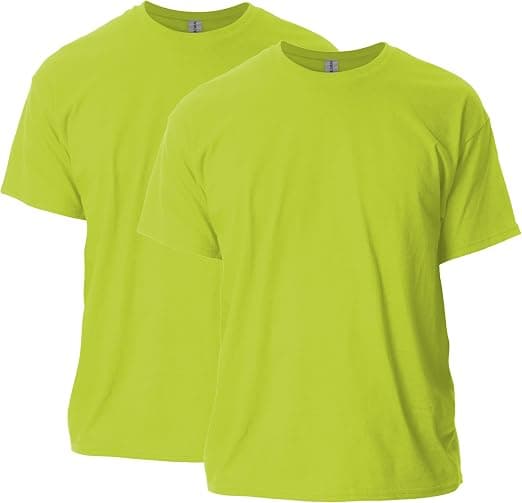
An event clothing sample costs £150 and is credited against the bulk order when you proceed. It is never free. What it buys is a finished garment in your colour with your decoration applied, which settles fit, weight, print legibility and wash behaviour before you commit to hundreds of pieces for a date that cannot be moved.
Why sample before an event order?
Because an event has no second attempt. A corporate order that arrives wrong can be replaced next month; a festival order that arrives wrong is worn wrong for the whole weekend or not worn at all. The events and festivals page shows the range worth sampling, and the wholesale page explains how the credit works against the run.
Sampling matters most on merch, where the garment is being sold rather than issued. A crew tee that runs slightly small is an irritation; a merch tee that runs slightly small generates refunds at the stall and complaints afterwards.
What does the £150 sample cover?
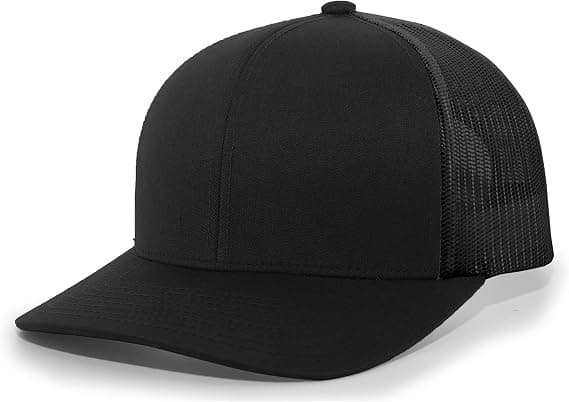
One finished garment made to the agreed specification: your chosen blank, your colour, your artwork, applied by the decoration method you selected. The fee covers the cost of producing a single piece outside a production run, and it comes off the invoice when the bulk order follows.
Each item sampled carries its own fee, so an event comparing a tee against a heavier merch garment is sampling twice. For a run of several hundred pieces that is still a small line on the budget, and it is the only part of the process that is genuinely reversible.
What should you do with the sample once it arrives?
Put it through the weekend it is going to have. A garment inspected on a desk tells you very little about how it behaves on site.
- Wear it for a full day, including something physical, since crew kit is worked in rather than displayed.
- Wash it at the temperature real people use and check the print edges and the hem afterwards.
- Look at it outdoors and under artificial light, because a colour that reads well in daylight can go flat under a marquee.
- Photograph it on a person, which is what your merch listing and your crew brief will both need anyway.
- Hand it to two people of different builds to check the cut across the range you are ordering.
A digital mockup does none of this. Our comparison of mockups and physical samples sets out precisely where a render stops being able to answer the question.
How does sampling fit an immovable date?
Add roughly two weeks to the front of the schedule. The sample is produced and shipped before the production window begins, so an event that needs six weeks without a sample needs eight with one. That is the whole reason to decide about sampling at the very start rather than midway through the artwork conversation.
If the date is already tight, the choice is between sampling and simplifying. Dropping the sample is defensible on a repeat of something you have ordered before. On a new garment for a first event, it is better to simplify the decoration and keep the sample than the other way round. Our guide to lead times events should plan for shows where the fortnight sits in the overall count-back.
One efficiency worth taking: sample while you are still finalising quantities. The size split and the merch forecast do not need to be settled for a sample to be made, so those two conversations can run in parallel instead of end to end.
The sample also settles a job you would otherwise do twice. Photographs of the real garment on a real person are what a merch listing, a crew brief and a social post all need, and a render will not pass for any of them once people have seen the physical piece. Shoot it properly in the week it arrives, while the design is fresh and nobody is on site yet.