Sizing a Clothing Order for Clothing Brands
By The Velocity Wear Team
Do not split 50 pieces evenly across five sizes. A realistic curve weights the middle heavily, with medium and large carrying roughly half the run between them, small and extra large sharing most of the rest and the extremes kept deliberately thin. Sizes mix freely inside the 50-piece minimum, so the curve is a free decision that quietly determines how much stock you are left holding.
Which size curve should a first drop use?
Weight the middle. Ten pieces each of extra small through extra large looks fair on a spreadsheet and ends with unsold extremes and a sold-out medium within days. A curve closer to four, twelve, fifteen, twelve and seven across five sizes reflects how apparel actually sells, and it can be adjusted once you have your own numbers to work from.
Your audience beats any general curve. A brand selling to a skate audience runs larger than one selling fitted pieces, and if you already sell anything, the returns and the sold-out sizes from that are better evidence than a rule of thumb. What is available to build a drop from is on the clothing brands page and across the wholesale range.
Does the product change the split?
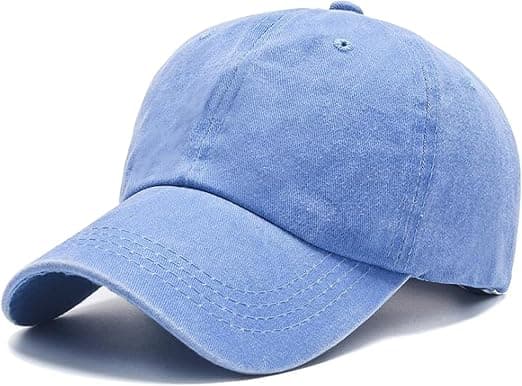
Considerably. An oversized hoodie sells differently from a fitted tee, because buyers self-select up or down depending on the fit they expect from the silhouette. Tracksuits are ordered as a set, which removes the freedom to size the top and the bottom separately and pushes buyers towards whichever half fits worst. Caps with an adjustable closure take the question off the table altogether, which is one reason they are a common first product.
Publish the measurements rather than the letters. A medium means nothing across brands, and a buyer who can read a chest and a body length from a table returns far less often. The detail behind that is in apparel sizing and fit, and the hoodie-specific version is in a hoodie fit and sizing guide.
How do you avoid ending a drop with dead stock?
Thin the extremes and accept selling out of them. Two pieces in an extreme size that sell immediately create demand for the next run; eight that sit for a year are capital locked in a box. Selling out of a size is not a failure, it is information, and it costs nothing compared with holding stock that nobody has asked for.
Where a size is genuinely uncertain, keep the first run shallow and reorder into what sold. Setup is heaviest on the first order of a design, so a second run of a proven piece is an easier purchase than a first run that guessed deep. The trade-off is worth taking seriously before you commit budget to a curve you are not confident in.
Pre-orders are the other route where a design allows it. Taking sizes before the run is placed converts the curve from a forecast into a list of names, and the minimum then decides only how much extra you carry beyond what is already sold. It suits a brand with an engaged audience more than one launching cold, but it is the only method that removes the guess entirely.
What do the leftovers tell you about run two?
More than any pre-launch forecast. Record what you ordered against what remained after the first month, per size, and the gap is your real curve. If mediums went in a week and extra larges did not move, run two is not the same order with more of everything; it is a different shape entirely.
Keep that record with the artwork and the colour reference so the next order starts from evidence. Brands that do this end up with a curve specific to their own audience within two or three drops, which is the point at which sizing stops being guesswork and starts being a small competitive advantage.