A Hoodie Fit and Sizing Guide for Brands
By The Velocity Wear Team
Need this made?Get pricing for this product— free, no obligation, 50 pieces minimum.
Most hoodie complaints aren’t about the fabric or the print — they’re about fit. A customer who loves your design but finds the hoodie too cropped, too tight across the chest or too long in the sleeve will still ask for a refund, and they’ll remember the brand for the wrong reason. Fit is also the hardest thing to fix after the fact, because it’s baked into the pattern before a single garment is cut. This guide walks through how to define the fit you want, the measurements that actually matter, how grading across sizes works, and how to publish a size chart your customers can trust — so the hoodie that arrives matches what people pictured.
Decide your fit type before anything else
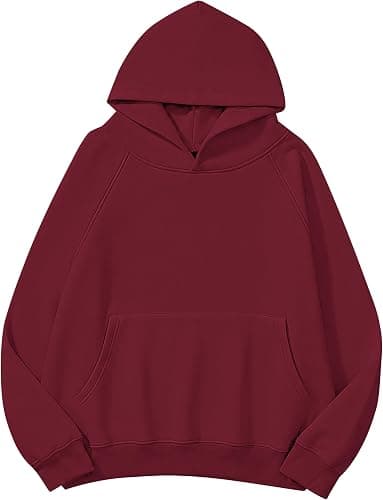
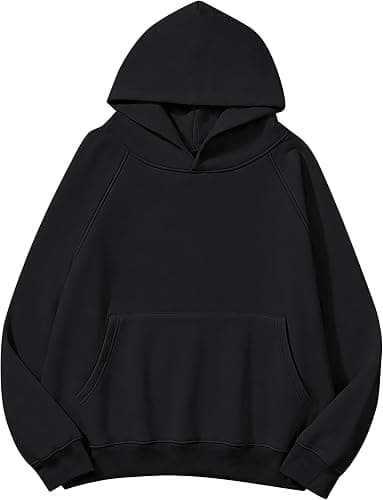
Fit is a design decision, not an afterthought. Before you look at measurements, decide what kind of hoodie you’re making, because the same chest size feels completely different depending on the intended silhouette. The three common fit types each carry their own proportions and customer expectations.
- Slim or fitted: closer to the body, shorter, with set-in shoulders. Suits fashion-led ranges and women’s-specific cuts, but be careful — too slim and it reads as a size too small.
- Regular or classic: the standard unisex hoodie most people expect. A comfortable, not-too-tight fit that works across the widest audience.
- Oversized or relaxed: boxy body, dropped shoulders, generous sleeves. On-trend and forgiving, but needs a purpose-built pattern, not just a bigger regular size.
The measurements that actually matter
A handful of key measurements define how a hoodie fits. Get these right and the rest follows; ignore them and even good fabric disappoints. Measure on a flat garment, then double the relevant ones to compare against body measurements.
- Chest width: measured flat from armhole to armhole, this is the single most important number for comfort and how the hoodie reads.
- Body length: from the high shoulder point to the hem. Too short crops awkwardly; too long swamps the wearer. Varies a lot between fitted and oversized.
- Shoulder width: where the shoulder seam sits, which defines whether the fit is structured or dropped.
- Sleeve length: from shoulder seam to cuff. Get this wrong and sleeves bunch at the wrist or ride up the forearm.
- Hem and cuff opening: the ribbing dimensions that anchor the silhouette and decide how snug the openings feel.
Understanding grading across sizes
Grading is how a single base pattern scales up and down through your size range. The difference between each size — the grade increment — should be consistent and proportional, not just a flat addition everywhere. Chest typically grows by a few centimetres per size, while length and sleeve grow by smaller, carefully chosen amounts so an XL doesn’t end up absurdly long. Poor grading is why some brands fit fine at medium but feel off at the extremes. Always check the smallest and largest sizes specifically, because that’s where grading errors show up.
Unisex versus gendered sizing
Most custom hoodies are sold as unisex, which is simpler to stock and order but isn’t a perfect fit for everyone. Unisex sizing is essentially based on a men’s block, so it can run boxy and long on smaller frames. If your audience skews female or you want a more flattering option, consider offering a women’s-specific cut with a shorter body, narrower shoulders and a slightly more shaped waist. At minimum, tell customers clearly whether your sizing is unisex so they can size accordingly.
Build a size chart customers can trust
A vague size chart causes more returns than no chart at all. The most useful charts give actual garment measurements — the flat chest, length and sleeve in centimetres and inches — rather than only vague S/M/L labels, because they let customers compare against a hoodie they already own. Add a short note on the intended fit (“regular unisex fit; size up for an oversized look”) and a simple how-to-measure guide. The more confidently a customer can pick their size, the fewer returns you’ll process.
A size chart that lists real garment measurements prevents more returns than any returns policy ever will.
Always approve a fit sample first
No matter how careful your spec, approve a physical fit sample before bulk production. Put it on a real person in your target size, check it against your chart, wash it once to confirm shrinkage is within tolerance, and adjust the pattern if anything is off. Catching a fit problem on one sample costs almost nothing; catching it on a few hundred finished hoodies is a disaster. This single step removes the most expensive mistake in custom apparel.
Document it in a tech pack
Pull everything together into a tech pack — a one-page spec that lists every key measurement, the grade increments, the fit type, the fabric and the tolerances. It’s the document that lets any factory reproduce your hoodie consistently, run after run, without re-guessing the fit. A clear tech pack is the difference between a repeatable product and a lucky one-off.
If building a graded size set and tech pack from scratch sounds daunting, Velocity Wear can help. We work with brands to set fit type, refine measurements, send fit samples in your target sizes, and then produce the full graded range from a 50-piece minimum with tracked delivery to the UK, USA, Europe and worldwide. Share your fit goals and request a free quote, and we’ll sample it before you scale.