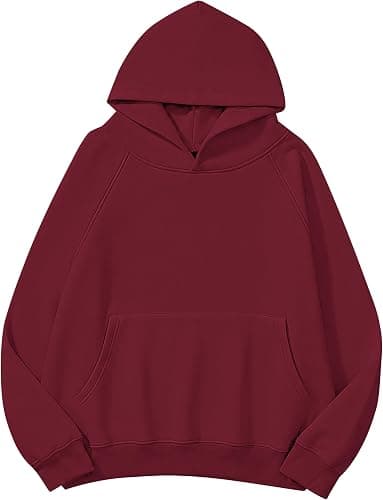
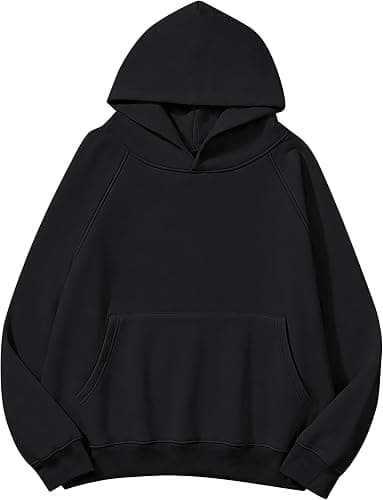
Eco-Friendly and Organic Custom Hoodies: A Practical Guide
By The Velocity Wear Team
Need this made?Get pricing for this product— free, no obligation, 50 pieces minimum.
Demand for sustainable apparel is real and growing, and a well-made eco-friendly hoodie is a genuine differentiator for a brand. But “sustainable” is one of the most abused words in clothing, and the gap between a credible eco product and a greenwashed one is wide. Ordering a genuinely responsible custom hoodie means understanding which fabrics actually reduce impact, which certifications are worth the paper they’re printed on, how decoration choices affect the footprint, and how to make claims you can stand behind. This guide cuts through the jargon so you can order an eco-friendly hoodie that’s honest as well as appealing.
Why fabric choice matters most
The single biggest environmental factor in a hoodie is the fabric, because fibre production is where most of the water, energy and chemical impact lives. Conventional cotton is thirsty and often heavily treated with pesticides; conventional polyester is petroleum-based. The main eco-friendly alternatives address these in different ways, and knowing the difference helps you choose deliberately rather than trusting a vague label.
- Organic cotton: grown without synthetic pesticides and fertilisers, reducing chemical impact and often using less water than conventional cotton.
- Recycled cotton: made from textile or production waste, diverting material from landfill and cutting the need for virgin fibre.
- Recycled polyester: typically made from post-consumer plastic bottles, giving waste a second life and reducing reliance on virgin petroleum.
- Blends: organic-cotton-and-recycled-polyester mixes balance softness, durability and lower impact, and are often the most practical choice.
Certifications that actually mean something
Certifications are how you separate real claims from marketing. A credible third-party standard verifies what a brand’s own word can’t. The names matter, so look for recognised ones rather than vague self-declared logos that anyone can print on a swing tag.
- GOTS (Global Organic Textile Standard): the gold standard for organic fibres, covering environmental and social criteria across the supply chain.
- GRS (Global Recycled Standard): verifies recycled content and responsible production for recycled fabrics.
- OEKO-TEX Standard 100: confirms the finished textile is tested for harmful substances, important for skin-safe, low-chemical garments.
- Be wary of unbranded “eco” or “green” logos with no certifying body behind them — they often mean nothing.
Decoration has a footprint too
The fabric is only half the story; how you decorate the hoodie matters as well. Some inks and processes are far gentler than others. Water-based and discharge inks avoid the plastics found in some plastisol prints and give a softer finish. Choosing fewer, well-placed decorations over heavy all-over coverage reduces ink and energy use. Embroidery uses thread rather than chemicals, which can be a lower-impact option for logos. None of this means compromising on looks — it just means choosing the gentler method where you reasonably can.
Durability is a sustainability feature
The most underrated eco choice is simply making a hoodie that lasts. A garment worn for years displaces several cheap ones that wear out and get thrown away, so quality construction, a sensible fabric weight and durable decoration are genuinely sustainable decisions. A flimsy “eco” hoodie that pills and sags after a season is worse for the planet than a well-built one that gets worn for years. Build it to last, and longevity does a lot of the environmental work for you.
The greenest hoodie is the one that gets worn for years — durability beats almost every clever fabric claim.
How to avoid greenwashing
Greenwashing — making a product sound greener than it is — damages trust and, increasingly, invites scrutiny. The fix is honesty backed by specifics. Don’t say “sustainable” when you mean “contains some recycled material.” State exactly what’s organic or recycled, name the certification, and avoid vague, unverifiable adjectives. Customers and regulators are getting sharper, and a precise, modest claim you can prove is far stronger than a sweeping one you can’t.
- Be specific: state the actual fibre content and what share is organic or recycled.
- Cite the certification by name rather than using a generic “eco” badge.
- Avoid absolute claims like “zero impact” or “100% sustainable” that can’t be substantiated.
- Tell the honest story — what you’ve improved and what you’re still working on reads as more credible than perfection.
Putting it all together
A genuinely eco-friendly custom hoodie comes from stacking good choices: a certified organic or recycled fabric, a gentler decoration method, durable construction that earns years of wear, and honest, specific claims. You don’t have to do everything at once — even moving to a certified blank and water-based inks is a meaningful step. The goal is real, verifiable progress that your customers can trust, not a perfect product on day one.
If you want to make that move, Velocity Wear offers certified organic-cotton and recycled-blend custom hoodies with lower-impact decoration options like water-based inks and embroidery, produced from a 50-piece minimum with tracked delivery to the UK, USA, Europe and worldwide. Tell us your sustainability goals and request a free quote, and we’ll recommend fabrics and finishes with credentials you can stand behind.