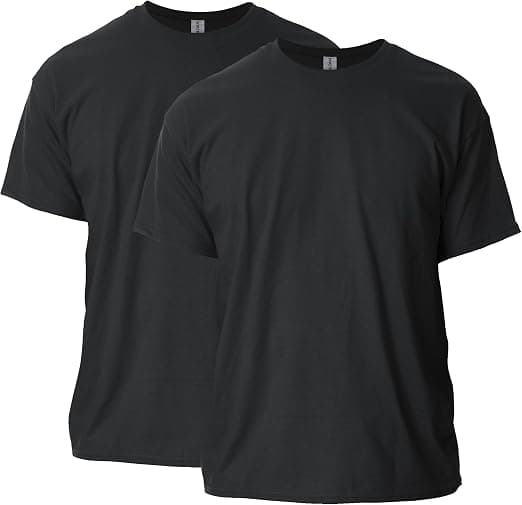
Sizing a Clothing Order for Charities
By The Velocity Wear Team
Sizes can be mixed freely inside the 50-piece minimum, so the question is only what split to choose. For a volunteer base you cannot measure, a workable starting point is roughly one in ten small, three in ten medium, three in ten large, two in ten extra large and one in ten double extra large, then adjusted for who actually turns up.
How should 50 pieces be split across sizes?
Start with the people, not the ratio. If you have a sign-up sheet, put a size column on it, because a collected answer beats any curve we could suggest. Where there is no list, weight the middle heavily and keep both ends thin. Two extra smalls that nobody claims cost the same as two larges that three people wanted. The ordering detail worth knowing is that no size carries a surcharge and no size has its own minimum, so the split is purely a guess about your volunteers. Wholesale ordering sets out how the sizes are declared on the order.
How do you size volunteers you have not met?
Charity kit often goes to people who sign up a week before the event. Two habits help. Order the garment in a relaxed cut rather than a fitted one, because a roomy medium fits more bodies than a slim one does. And keep a small reserve of the two largest sizes, since a volunteer who cannot fit the shirt will not wear it, and an unworn shirt raises nothing. Apparel sizing and fit covers how cut and measurement interact.
What do you do with the sizes nobody takes?
Roll them into the next event rather than treating them as waste. A design without a year printed on it stays usable indefinitely, which is the single strongest argument for leaving dates off charity kit. Leftovers also make good sale stock on a stall, where an odd size at a reduced price still converts into a donation. If you do end up short on one size, remember that a top-up is a new order and still needs 50 pieces, which is covered in minimum orders for charities.
Which garments forgive a bad size guess?
Some items simply do not care. Caps from $12 a piece are effectively one size with an adjustable fastening. Towels and bags are quoted per job and have no sizing at all. Among the garments that do have sizes, t-shirts at $13 and hoodies at $31 are the most tolerant, because both are worn loose. Fitted polos from $18 and structured corporate uniforms from $20 are less forgiving and reward collecting real sizes first. The charities and fundraising page shows the range we produce for volunteer and supporter kit.
Does a size split change for a sale stall?
It does, and charities that use one order for both purposes often get caught here. Kit handed to volunteers goes to a known group and can be matched to them. Kit sold to raise funds goes to whoever walks past, and the public buys differently: the middle sizes clear first and the outer ones sit. If the same run is doing both jobs, weight it towards the volunteers you can count and treat whatever is left as stall stock rather than the other way round.
Keep a note of what sold and what was asked for and not available. Those two figures, written down after one event, are worth more than any suggested ratio when the next order is placed, and they take a minute to record at the end of the day.
Finally, publish the size range before people commit. A volunteer who knows the shirt runs from small to double extra large can tell you where they sit; one who is handed a bag on the morning of the event can only accept what is in it. Naming the range on the sign-up form costs nothing and removes most of the guesswork from the split.