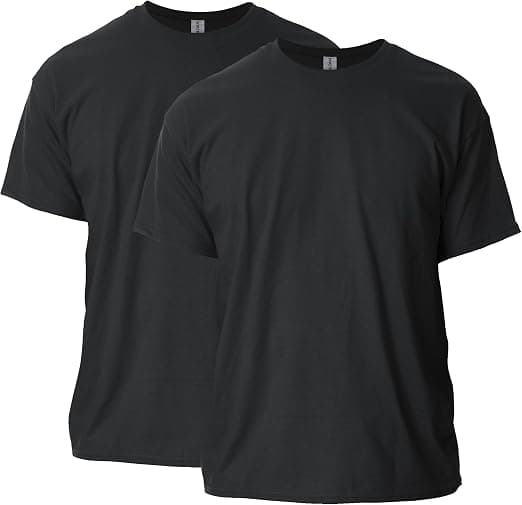
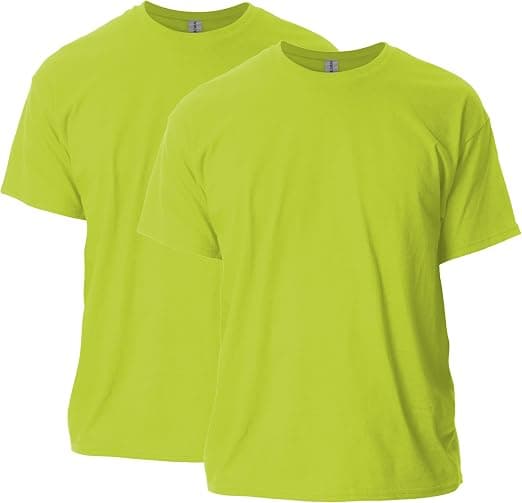
Branding Options for Bands
By The Velocity Wear Team
Band merch can carry custom woven neck labels, tear-out labels, swing tags and printed packaging alongside the print itself. Each is specified on the same run as the garment. For merchandise that is sold rather than given away, the label is the difference between a printed blank and something that reads as a release, and fans notice it.
Which label options matter for merch?
Start with the neck. The stock label names whoever made the blank, which means every shirt you sell carries someone else’s brand inside the collar. A custom woven label replaces it permanently, while a tear-out version gives the buyer the choice and removes the scratchy tag at the same time. Both are inexpensive spread across 50 pieces. Woven labels, neck prints and branding details covers the construction differences.
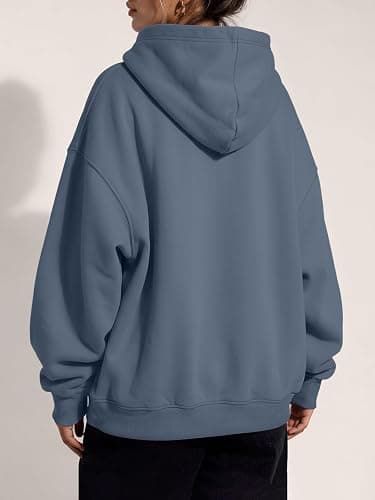
Do swing tags help a piece sell?
At a merch table they do, because they give the price a place to live that is not a handwritten sign. A tag also carries the tour name, a release date or a code for the band’s store, which turns a one-off purchase into a return visit. Where they matter less is mail order, since the buyer has already paid by the time they see it. Print the tag with the tour on it only if you accept the stock stops being sellable when the tour ends.
Which decoration suits a band graphic?
Screen printing is the standard for merch and holds solid colour beautifully, though each colour is another screen. DTF prints full-colour artwork without a colour count, which suits photographic or gradient graphics. Embroidery and 3D puff work on caps and on small chest marks rather than on a large front graphic. Sublimation covers a whole panel but needs light polyester. Appliqué, patches and woven labels covers the options that are not print at all.
How should merch be bagged for the road?
Individually, by size, if it is going in a van. Merch that travels loose gets creased, dusty and handled at every date, and a crumpled shirt sells for less than a folded one in a clear bag. Individual bagging also makes counting stock between dates possible, which is the difference between knowing your sell-through and guessing it. Specify it at the order stage, since packing is decided in finishing. The bands and music page and the wholesale page cover the rest.
What do the label choices add to the order?
They are quoted alongside the run rather than carrying a separate list price, because the cost depends on how many labels are woven, what they are made from and how they are attached. The useful move is to ask for the quote both ways, with and without, at the same time as the garment price. Across fifty pieces the difference is usually small enough that seeing the two numbers settles the argument immediately.
What they do not add is flexibility later. Labels and tags are specified before production because they are built into the garment during finishing, so a decision to add them after the run has started means a new run. Settle the label question at proofing, alongside the print, rather than treating it as something that can be layered on afterwards.
For bands selling online as well as at shows, the finishing choices matter more than they do at a table. A piece that arrives folded in a printed bag reads as something ordered rather than something posted, and it is the only part of the transaction the buyer physically handles. Decide that at the same time as the garment, because it is produced in the same run. The decoration choice interacts with it too: a heavy print needs the piece folded rather than rolled, and anything embroidered wants a bag that does not catch on the stitching in transit.