Minimum Orders Explained for Bands
By The Velocity Wear Team
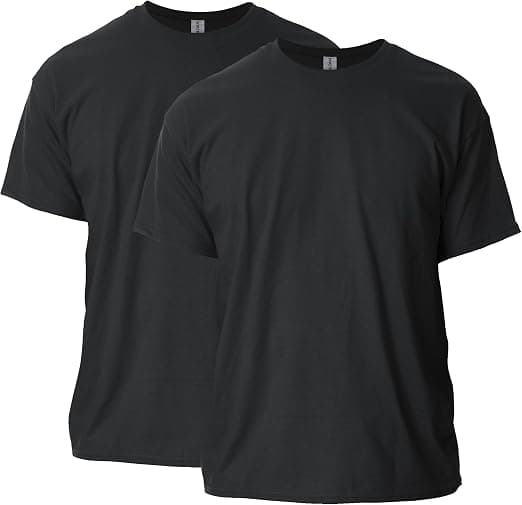
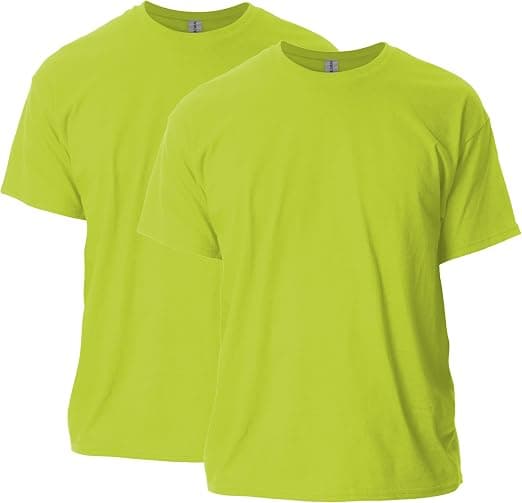
Fifty pieces per design is the minimum, and you can split those 50 across sizes in whatever ratio the audience needs. A design is the artwork, not the size, so one graphic in a single garment colour is one run. Two graphics, or one graphic on a black shirt and a white shirt, are usually two runs of 50 rather than one run of 100.
How does the 50-piece minimum work for a band?
The practical effect is that a merch line is built from blocks of 50, and the planning job is choosing how many blocks. One design in one colour across the full size range is the simplest 50 there is, and it is where most first runs land. A band with two strong graphics has to decide whether it wants 100 pieces across two designs or 50 pieces of the one that will actually sell. minimum order quantities explained covers the wider version of that decision.
Does a second colourway need its own fifty?
Usually, and the reason is the ink rather than the cloth. A design built for a dark shirt is not the same set of screens as the same design on a light one, because the underbase and the colour mixing change. Where the garment colours are close enough that the decoration does not need rebuilding, they can sometimes share a run. The only way to know is to ask before you commit to a palette, since it is a straightforward answer at quote stage and an expensive surprise afterwards.
Is fifty too many for a short run of dates?
Rarely, once you count properly. Fifty shirts spread across six or seven dates is single figures a night, and a band that sells out on the second date spends the rest of the tour with an empty table. The bigger risk is the opposite one: ordering 200 of an untested graphic. Start at the minimum for a new design, note which sizes empty first, and put the second order in early enough for it to arrive mid-tour. Sizing a merch order covers the split.
How do you reach the minimum without waste?
Put the whole run behind one design rather than spreading it thin. Use the size split to absorb the uncertainty instead of the design count, because sizes carry no surcharge and no minimum of their own. If the band wants variety, get it from the garment rather than the graphic: the same logo on a tee from $13 and on a hoodie from $31 gives two price points at the table, each as its own run. See the bands and music page and the wholesale overview for how orders are placed.
What does a two-design line cost that a one-design line does not?
Two setups, two minimums and twice the chance of carrying stock you cannot shift. That is the whole of it. Running two graphics is not twice the price of one, because the garments are the same, but it does mean a hundred pieces where fifty might have been enough and it splits the audience between them. Bands with a strong catalogue can support it. A band on a first run of dates almost never can.
There is a middle route. Keep one graphic and put it on two garments, so the table offers a shirt and a hoodie rather than two shirts. The artwork is shared across both runs, the buyer chooses on price rather than on design, and neither piece competes with the other for the same sale.
Whichever route you take, decide before the artwork goes over rather than after the quote comes back. Adding a second design late means a second setup, a second approval round and a delivery date that moves, and none of those are visible in the headline price you were comparing. The count of designs is the decision that shapes the whole order.