Minimum Order Quantities (MOQs) Explained for Wholesale Clothing
By The Velocity Wear Team
Need this made?Get pricing for this product— free, no obligation, 50 pieces minimum.
Few terms intimidate new wholesale buyers more than “MOQ”. The minimum order quantity is simply the smallest run a manufacturer will produce for you — but the number behind it reflects real economics, and once you understand those economics you can plan orders that clear the bar without overcommitting.
What an MOQ actually represents
An MOQ is the point at which a production run becomes worth a factory’s time. Setting up a sewing line, calibrating machines, ordering fabric in usable rolls and dedicating quality staff all carry fixed costs. Below a certain quantity, those costs make the per-unit price absurd or the job simply unprofitable. The MOQ is where the maths starts to work for both sides.
Why MOQs differ between products
There is no single MOQ across apparel because every product type has a different cost structure. A printed t-shirt on stock blanks can have a low minimum, while a fully cut-and-sew lined jacket carries a much higher one because fabric must be bought in bulk rolls and the line setup is significant.
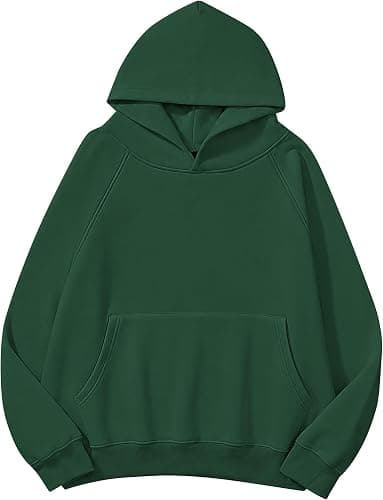
- Stock-blank items (tees, basic hoodies) decorated to order: lower MOQs.
- Cut-and-sew garments made from scratch: higher MOQs tied to fabric roll sizes.
- Custom-dyed or custom-fabric runs: highest MOQs, because dye lots have minimums.
- Caps and accessories: moderate, often set by panel and embroidery setup.
The two MOQs people forget about
Buyers usually focus on the order MOQ, but two others quietly shape your costs. The first is the fabric MOQ — mills sell cloth in minimum lengths, so a small order may force you to pay for fabric you do not use. The second is the colour or size MOQ — a supplier may accept 100 pieces total but require a minimum per colourway or per size, because each variant is effectively its own mini production run.
Why this matters for your range
If you split 100 units across five colours and a full size run, you may breach per-variant minimums even though your total looks healthy. Keeping your first order focused — fewer colours, a tighter size curve — often unlocks better pricing than spreading thin across many variants.
How to work within an MOQ sensibly
- Start with your best-selling or most-confident designs, not your whole catalogue.
- Limit colourways on a first run to stay above per-variant minimums.
- Use a realistic size curve based on your audience rather than ordering evenly.
- Combine multiple designs that share the same blank to reach a tier together.
- Treat the first order as a test, then reorder winners at better pricing.
When a low MOQ is genuinely valuable
A low MOQ is not just a beginner’s convenience. It lets established brands test new designs cheaply, react to trends without warehousing risk, and serve clients who only need a small team kitted out. The ability to order a modest run, prove demand and then scale is one of the most underrated advantages a supplier can offer.
A low MOQ buys you the right to be wrong cheaply. That freedom to test is worth more than a tiny discount on a giant order you are not sure you can sell.
Negotiating around an MOQ
MOQs are sometimes more flexible than the website suggests, especially if you bring repeat business or consolidate styles. Politely ask whether combining designs on the same fabric, or committing to a follow-up order, could bring the minimum down. Suppliers value predictable, repeat customers and will often meet a reasonable buyer partway.
This is exactly why Velocity Wear keeps its minimum at just 50 pieces with tiered discounts as you scale — low enough to test a new design, structured so growth is rewarded. Share what you want to make and we will send a free quote with the MOQ and price breaks laid out clearly, shipped tracked to the UK, USA, Europe or worldwide.