Bulk Apparel for Ecommerce: Private Label, Dropshipping & Inventory Explained
By The Velocity Wear Team
Need this made?Get pricing for this product— free, no obligation, 50 pieces minimum.
How you source and fulfil your apparel shapes your margins, your cash flow and your brand. There are three main models for ecommerce sellers — buying bulk inventory, private label, and dropshipping / print-on-demand. None is "best"; each trades risk against margin and control differently. Here is how to choose.
Model 1 — bulk inventory
You order a quantity of finished, decorated stock up front, hold it, and ship as orders come in. It demands cash and storage, but it delivers the best per-unit cost, the fastest dispatch, and full control over quality and packaging.
- Pros — highest margin, fast shipping, full quality control, best customer experience.
- Cons — upfront cash, storage, and the risk of unsold stock if a design underperforms.
- Best for — proven designs and steady sellers you are confident will move.
Model 2 — private label
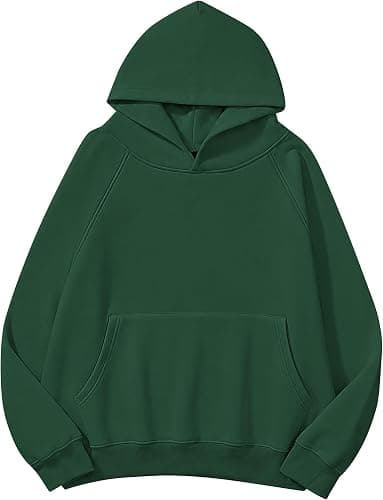
Private label means putting your own brand — woven labels, custom tags, packaging — on quality blanks produced for you. It is usually combined with bulk ordering and is how a "printed hoodie" becomes a real brand customers recognise and return to. It is the step that separates a reseller from a label.
- Pros — a genuine, ownable brand; higher perceived value and price; customer loyalty.
- Cons — needs minimums for custom labels and packaging; more setup than plain blanks.
- Best for — brands ready to move from generic blanks to a distinctive identity.
Model 3 — dropshipping & print-on-demand
A partner prints and ships each item only after a customer orders. You hold no stock and carry almost no upfront risk — but you pay the highest per-unit cost, have the least control over fabric and packaging, and face slower, less consistent dispatch.
- Pros — minimal upfront cost and risk, no inventory, easy to test many designs.
- Cons — lowest margins, limited branding, slower shipping, less quality control.
- Best for — validating brand-new designs and audiences before committing cash.
The smart hybrid most brands actually use
You do not have to pick one forever. The most resilient approach blends them: use low-MOQ small batches or print-on-demand to test new designs, then move proven winners into private-label bulk production for the best margins and brand experience. You get the risk profile of dropshipping during testing and the economics of bulk once a design earns it.
Test like a dropshipper, scale like a wholesaler. The brands that last use risk-light testing to decide what deserves bulk investment.
Matching the model to your stage
- Just launching, unproven designs → low-MOQ batches / print-on-demand.
- Have a few proven sellers → private-label bulk on those, test the rest small.
- Established with predictable demand → bulk inventory with deep volume discounts.
Velocity Wear supports the whole journey: a 50-piece MOQ for testing, full private-label branding (woven labels, custom tags, packaging) and tiered bulk pricing for your proven winners — all shipped to the UK, USA and worldwide. Request a quote for whichever stage you are at.