Samples Before Bulk: A Guide for Salons
By The Velocity Wear Team
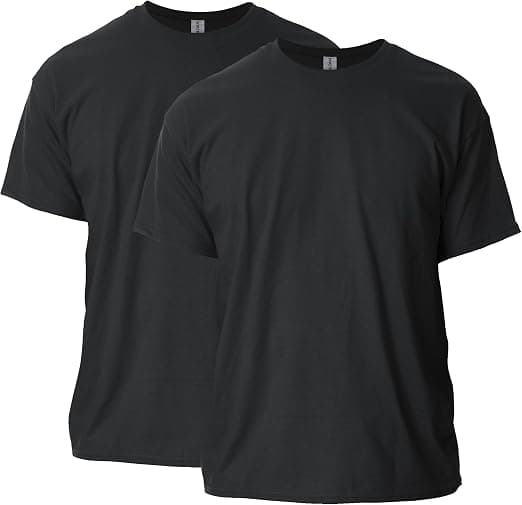
A salon sample costs £150 and that fee is credited against the bulk order when you go ahead. What it buys is a physical garment in your colour with your logo on it, which is the only way to judge fit, weight and how the decoration sits. For salon kit the extra test is chemical: bleach, tint and hot washing all reach the uniform.
What does the £150 sample prove that a mockup cannot?
Weight, drape and the feel of the decoration against skin. A screen print reads as a flat colour block on screen and as a slightly stiff panel on the chest in person, and which of those you were expecting matters on a garment someone wears for nine hours. Embroidery is the same story in reverse: it looks small on a render and has real texture in the hand.
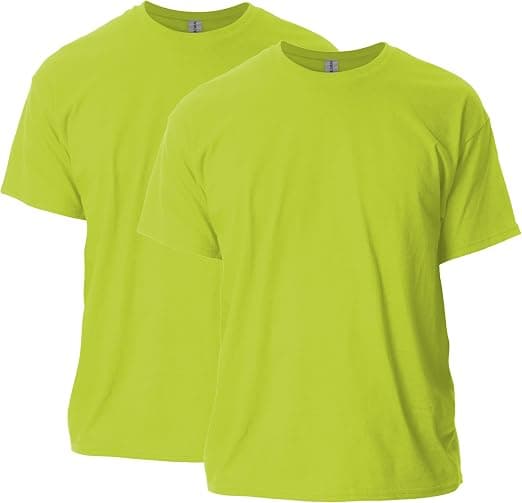
Colour is the other one. A shade chosen from a screen is a shade chosen under your monitor's white balance, and salons work under lighting picked to flatter hair colour rather than fabric. Put the sample under your own lights before you decide. The difference between an on-screen approval and a physical one is unpacked in AI mockups versus physical samples.
Which checks matter most on salon kit?
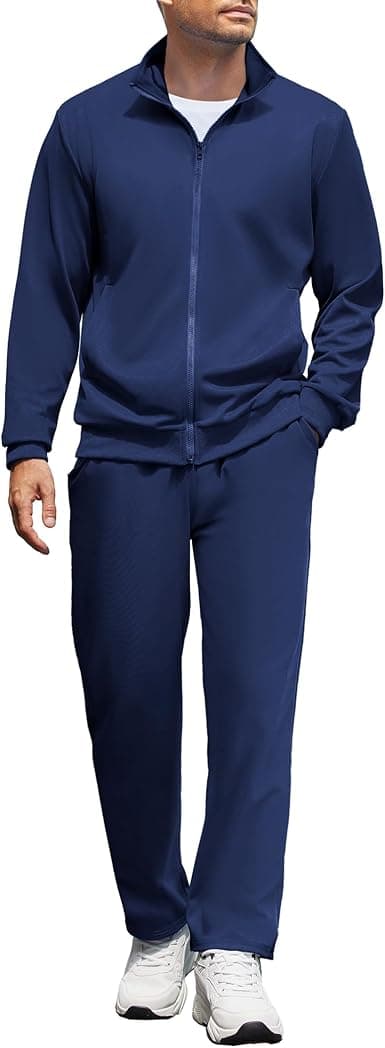
Run the sample through the conditions it will meet, not through a gentle test wash. Salon uniform lives near peroxide, tint and colour remover, and the honest question is not whether a splash marks it but how visible the mark is on the colour you chose. Darker shades forgive more. That is a decision to make with the sample in front of you rather than after 50 pieces have arrived.
Then wash it the way the salon washes. Hot cycles, often, sometimes with a stain treatment. Check the print or stitching after three or four rounds and look at the seams and the hem rather than only the logo. If the garment will be tumble dried, dry it that way too, since shrinkage shows up there first. What the salons and barbers page describes as everyday wear is exactly what the sample should be put through.
Let more than one person handle it before you decide. Whoever chose the fabric is not a neutral judge of it, and a stylist who will spend nine hours in the garment notices a collar or a sleeve length that a glance across the desk misses. Two or three opinions gathered in an afternoon costs nothing and is considerably cheaper than finding the problem spread across fifty pieces.
Can a salon sample towels as well?
Towels are worth sampling more than anything else a salon buys, because weight and absorbency are impossible to judge from a description and towels take the most chemical punishment in the building. They are quoted per job rather than listed at a set from-price, so the sample conversation and the quote conversation happen together rather than in sequence.
Test a towel on a real colour service rather than a sink rinse. That tells you how the pile behaves after bleach contact and whether the branding survives the wash temperature you use. The rest of the wholesale range can be sampled on the same principle: one piece, real conditions, then a decision.
How does sampling fit into the order timeline?
Add roughly two weeks. The sample is produced, posted and then sat with while you and the team look at it, and that review stage is the part people underestimate. Approve it quickly and the bulk build starts on its own 10-15 working day cycle; sit on it for a fortnight and your delivery date has moved by a fortnight.
One round is normal. Two is fine if the first surfaced a real problem, such as a colour that reads differently in the salon or a cut that does not suit the team. Three rounds usually means the brief was never settled, and the fix for that is a conversation rather than another garment. Keep the approved sample afterwards as the physical reference for every future run.