
What Clothing Brands Pay for Branded Clothing
By The Velocity Wear Team
At the 50-piece minimum, from-prices run $13 for a t-shirt, $12 a cap, $18 a polo, $22 joggers, $31 a hoodie, $38 a denim jacket and $53 for a tracksuit set. Those are starting points per piece, and they fall as quantity rises, by up to 35% at the top tier. Private label, extra print positions and the £150 sample sit on top.
What does a first drop cost per piece?
Take the garment from-price, then adjust for what you are asking it to carry. A one-colour chest print on a tee sits near the bottom of the range; a four-colour front, a back print and a sleeve hit add setup and handling to every piece. Embroidery is priced by stitch count rather than by colour, which is why a dense logo costs more to stitch than a wide simple one.
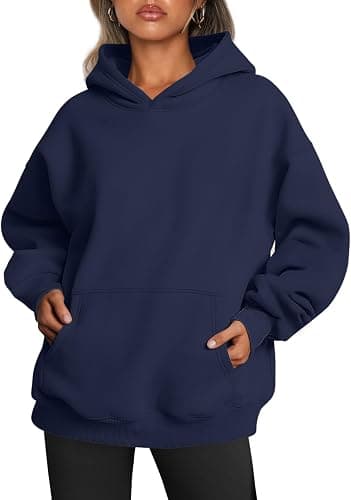
Hoodies are where most new brands find their budget. At $31 from, fifty pieces is a real commitment before a single unit has sold, which is why a lot of first drops lead with tees at $13 and add the heavier pieces once there is evidence people buy. The clothing brands page sets out what is available, and the wholesale range lists every product with its own from-price.
How far does volume actually move the number?
The tiers run 50-99, 100-249, 250-499, 500-999 and 1,000 plus, and the discount reaches up to 35% measured from the 50-piece price. The steps are not even: the jump from the first tier to the second is the one most brands feel, because setup costs are being spread over twice as many pieces. Beyond that the curve flattens and the saving comes from the fabric side rather than the setup side.
The practical question is whether you can sell the larger quantity, not whether the per-piece figure looks better. Two hundred and fifty hoodies at a lower unit price is only cheaper if the extra two hundred leave the stockroom. A general breakdown of the components is in how much does custom clothing cost.
What sits on top of the garment price?
Four things, in rough order of size. Private label work, meaning custom woven neck labels, tear-out labels, swing tags and packaging. Additional print positions beyond the first. The £150 sample, which is credited back against the bulk order. And delivery, which depends on whether the drop is going to the UK, the USA or Europe.
Artwork complexity is the one brands control most directly. Every additional screen colour is another setup, and a palette trimmed from five colours to three often saves more than switching garment. The trade-off between colour count and unit price is worked through in how many colours should your design have.
Decide the invoicing currency early too. Billing runs in seven currencies, and a brand selling in pounds while costing a drop in dollars is carrying an exchange rate it never priced into the margin. Fix that before the spreadsheet is built, so the landed figure you model is the figure that arrives. It is a small piece of admin that prevents a margin from quietly moving between the plan and the payment.
How should a brand build its margin from these numbers?
Start from the landed cost per piece, not the from-price. Add decoration, private label, your share of the sample fee and delivery, divided across the run. That figure is what the garment actually costs you, and it is usually a few dollars above the headline. Everything after that is your own pricing decision, but working from the headline figure is how brands end up with a margin that disappears at the first discount code.
Then price the second run into the plan. Setup costs are heaviest on the first order of a design, and a brand that expects to repeat a piece is buying that setup once across two runs. Repeat drops are where private label investment pays for itself, because the label outlives the individual design.

