How Much Does Custom Clothing Cost?
By The Velocity Wear Team
Need this made?Get pricing for this product— free, no obligation, 50 pieces minimum.
There is no single number, and anyone giving you one has not asked enough questions. Four things drive the price: the garment you choose, the decoration method, how many colours are in the design, and how many pieces you order. The free instant price calculator prices all four live as you change them, which is a faster and far more honest answer than any estimate.
Why We Do Not Publish a Headline Price
A published price for a custom garment is either wrong or hedged into uselessness. The same design on a lightweight promotional tee and on a heavyweight brushed-back hoodie are not comparable products, and pretending otherwise sets up a disappointing conversation later.
The calculator exists precisely so you can stop guessing. Change the garment and watch the number move. Change the quantity and watch it move again. Ten minutes with it teaches you more about your own budget than any price list would.
Lever One: The Garment
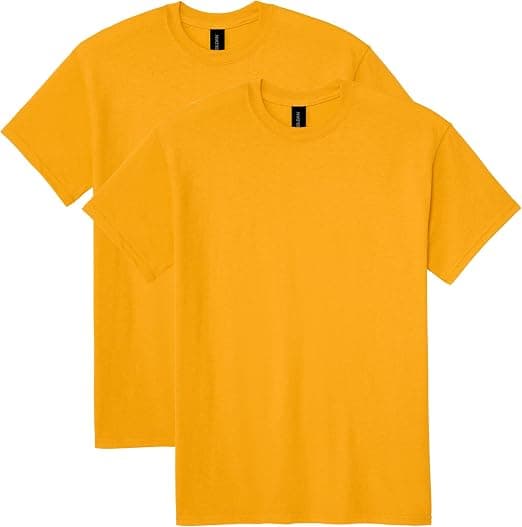
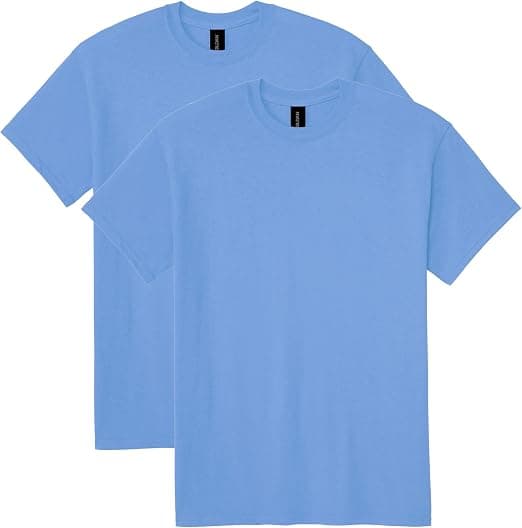
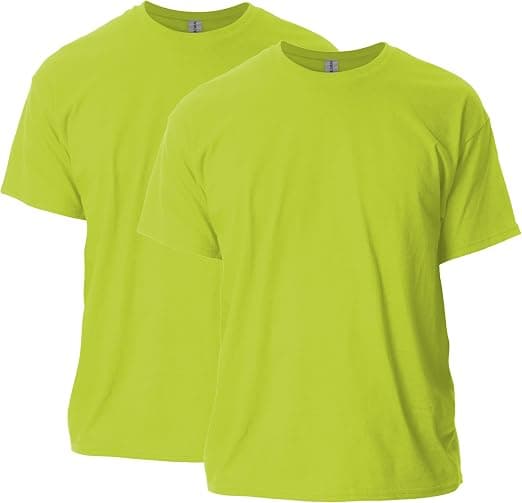
This is usually the largest single component, and it varies enormously. Fabric weight is the clearest signal. A 350 GSM hoodie feels like a product someone paid for. A 280 GSM one feels like a giveaway, and people treat it accordingly.
Beyond weight, look at ringspun versus open-end cotton, whether the fabric is combed, whether the neck has a tape across the shoulders, and how the cuffs recover after wear. These are the details that decide whether the garment still looks acceptable after twenty washes, and they are the difference between merch that gets worn and merch that gets used to clean a car.
Lever Two: The Decoration Method
Methods have completely different cost shapes rather than different prices. Screen printing carries a setup cost per colour but is the cheapest per unit once volume arrives. DTF has no per-colour setup at all, which makes it strong for detailed or full-colour work at short runs. Embroidery carries a one-off digitising cost and then prices by stitch count. Sublimation is a manufacturing process rather than a surface decoration, and prices like one.
So the cheapest method depends entirely on quantity and complexity. There is no method that is cheapest at every size of order, which is exactly why a fixed price list would mislead.
Lever Three: Colour Count, and When It Stops Mattering
This is the most useful thing on this page. In screen printing, setup is charged per colour, and that setup is divided across however many garments you order. At 50 pieces, going from a one-colour to a four-colour design changes the per-unit price noticeably, because you are splitting four setups across a short run.
At 300 pieces, that same jump barely registers. The setup has been diluted to almost nothing per garment. So colour count is a big lever at low volume and a small one at high volume, while garment choice becomes the dominant cost as quantity rises. If you are near the minimum and price sensitive, simplify the design. If you are ordering in volume, spend the attention on the blank instead.
“"At fifty pieces you are mostly buying setup. At three hundred you are mostly buying garments. Optimise for whichever one you are actually paying for."”
Lever Four: Quantity and the Bulk Curve
Discounts build as quantity rises and reach up to around 35% at volume. The curve is steepest early. Moving from the 50-piece minimum to 50 typically moves the per-unit price more than moving from 200 to 250 does, because the fixed costs are still a meaningful share of the total at the bottom end.
It is worth pricing three quantities before deciding: what you think you need, half again, and double. Very often the middle option costs barely more in total and leaves you with stock instead of a reorder in two months at minimum quantity.
The Costs People Forget to Budget
- Additional print positions. A back print or a sleeve print is a separate setup, and adding a position often costs more than adding a colour to an existing one.
- Artwork preparation, if your file needs redrawing or your logo needs digitising for embroidery.
- Individual names or numbers, which are applied per garment and therefore priced per garment.
- Larger sizes, where some garment brands step the price up from 2XL because more fabric is used.
- Delivery, which varies by destination across the UK, USA, Europe and worldwide.
When the Cheap Option Is Genuinely the Right One
Not everything needs the premium garment. A one-day event tee, a promotional giveaway, a fun run shirt: these are worn once and remembered fondly regardless of fabric weight. Spending up on those is money that would do more work elsewhere.
Spend up where the garment represents you repeatedly. Staff uniform worn in front of customers every day. Retail merch someone actually paid for. Club kit that has to survive a season. The rule is simple enough: how many times will someone see this, and does it get better or worse each time?
Getting a Real Number
Open the free instant price calculator, pick the garment, pick the method, set the colour count and put in your quantity. It updates live. Change one thing at a time and you will see exactly which lever is costing you, which is far more useful than a number someone guessed over the phone.