Need this made?Get pricing for this product: free, no obligation, 50 pieces minimum.
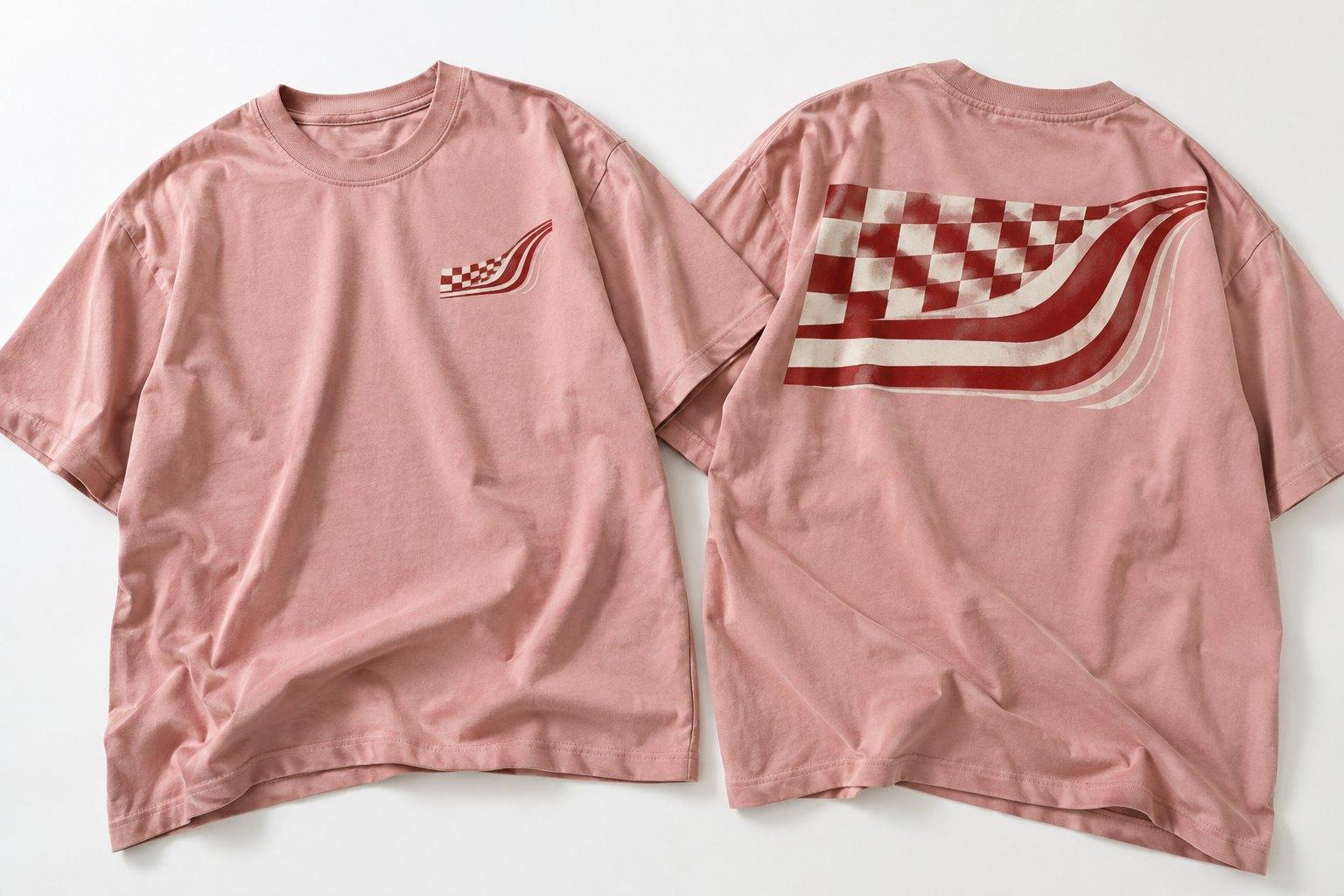
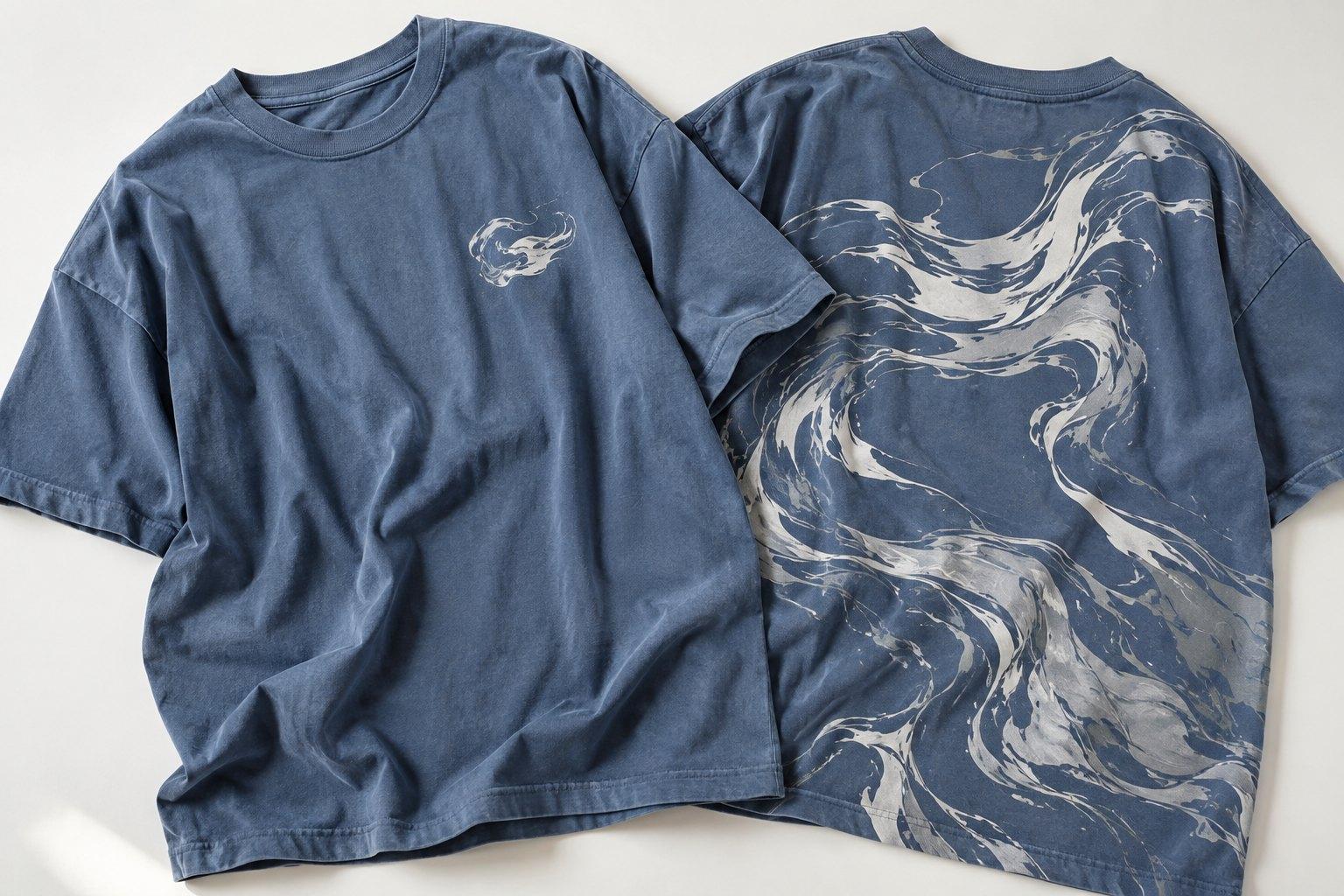
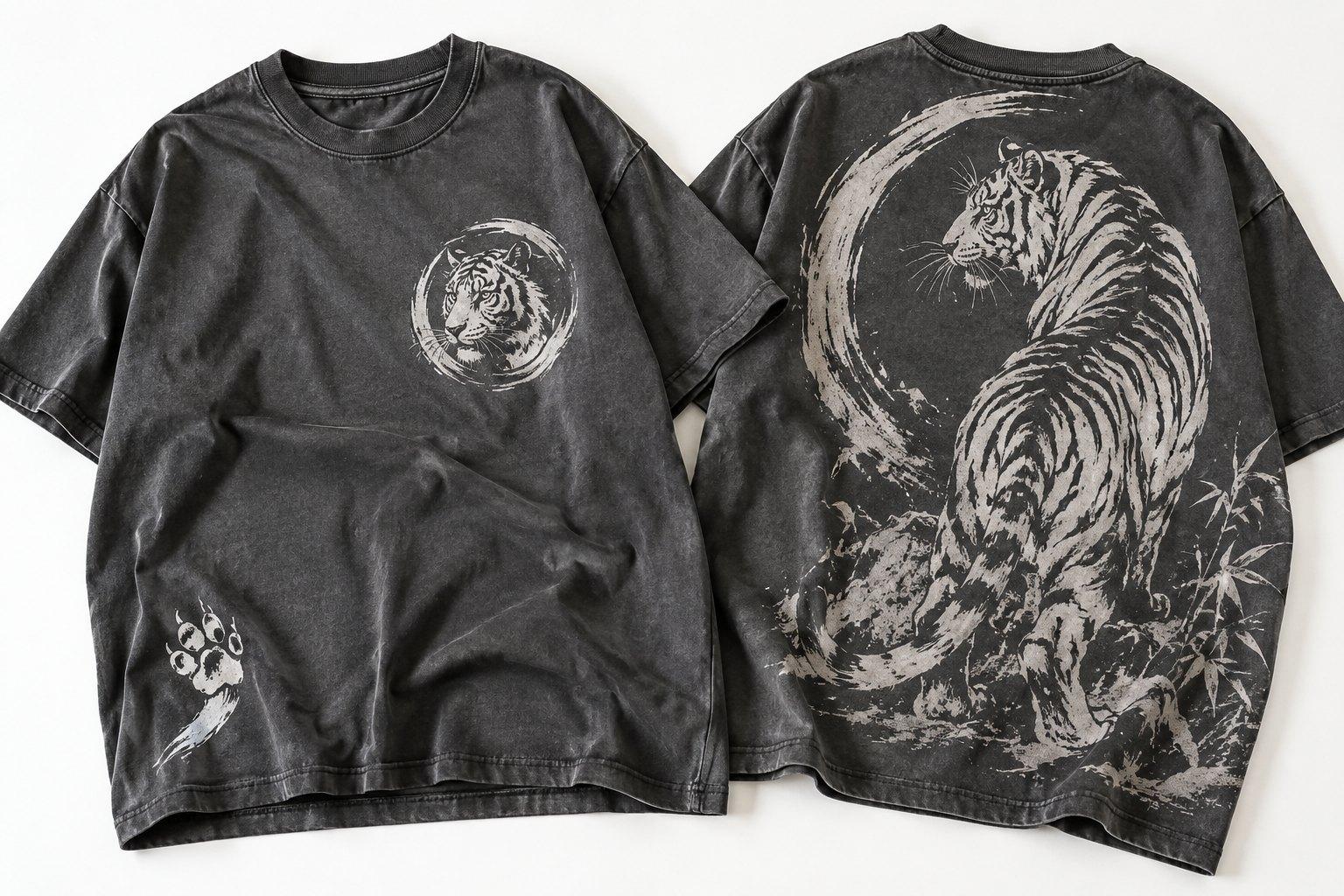
T-shirt printing front and back means two print positions on one tee: usually a logo on the chest and a larger design across the back. Each placement is priced on its own, so it costs more than a single print, and it is a layout brands, clubs, events and businesses often choose for a custom print t shirt. This guide covers placements, names, how to print on t shirts, printing your own at home, and when a maker is the better choice.
Every figure here is one of our terms of business: 50 pieces per design with sizes mixed, printed tees from £11 each at that minimum, and production of 10 to 15 working days after you approve the proof.
Front and back t shirt printing: how the two prints work
On a front and back order, each position is set up separately. The chest print is small, so it suits any method. The back is the big canvas, where a graphic, an event line-up or a club name goes. With screen printing, every colour in every position needs its own screen, so a two-colour chest logo and a four-colour back print need six screens. With DTF, the number of colours does not change the setup, which is why a detailed, full-colour back print usually goes DTF.
Front, back, left chest, sleeves and the back of the neck can all be combined on one tee. Each extra placement is priced on top of the first, and the quote itemises them, so you can see what a back print adds. The digital mockup shows every position at its real size before anything is printed. Our logo placement guide sets out the standard positions and sizes.
T shirt name printing: a different name on every tee
Name printing on t shirt orders is how teams, staff, leavers and event crews personalise one design. You send a list of names against sizes, the main design is set once, and each tee comes back with its own name, usually across the back. To print a name on each t shirt this way does not split the design: one design with fifty different names is still one 50-piece run. Numbers work the same way for teams.
Names are checked against the proof before production, so a spelling mistake is caught on screen rather than on a finished shirt. For the methods used on names and numbers, see HTV vinyl against DTF.
How to print on t shirts: the four production methods
Prints for t shirts at production scale come from four methods, and the artwork should choose the method, not the other way round. Send your design and we recommend one in the quote.
| Method | Best for | Worth knowing |
|---|---|---|
| Screen print | Logos and bold graphics in a few solid colours | One screen per colour, so best value on larger runs of one design |
| DTF | Full-colour, gradient and photographic artwork | No screens; prints stay bright on dark tees thanks to a white base layer |
| Embroidery | Small chest and sleeve logos | Stitched and raised; very fine text is limited |
| Sublimation | All-over, edge-to-edge designs | Polyester tees only; the dye becomes part of the fibre |
Our t-shirt printing service compares the four in more detail, with the artwork each one needs.
Print your own t-shirt at home: what works
If you only need one or two shirts, you can print your own t shirt at home. These are the usual options, and each has a limit:
- Iron-on transfer paper: print the design on an inkjet printer and iron it on. Cheap and quick, but the print sits stiffly on the fabric and tends to crack or fade with washing.
- Heat transfer vinyl: cut letters or simple shapes on a craft cutter and press them on with an iron or a heat press. Good for a name or a number, slow for anything detailed.
- A hobby screen printing kit: a frame, emulsion and ink for one-colour designs. It takes practice, space and drying time for every layer.
- Fabric paint and stencils: fine for a one-off, hard to repeat exactly on a second shirt.
To print my own t shirt for a party, or to test how a design looks before you commit, any of these is reasonable. They stop making sense when you need the same print on many tees, in mixed sizes, at the same position, and it has to survive washing. That is the point to get t shirts printed by a maker. At 50 pieces per design, a production print is consistent across the run, and printed tees start from £11 each.
Local t shirt printing or a manufacturer?
A local printer and a manufacturer solve different problems. Local t shirt printing is the answer when you need a handful of shirts by the weekend: you can walk in, and some print from a single piece. Quick t-shirt printing is not what we do. Production takes 10 to 15 working days after you approve the proof, before shipping, and the minimum is 50 pieces per design.
What a manufacturer gives you instead is the tee made to your spec: combed ring-spun cotton from 150 to 240 GSM, in classic, fitted, relaxed and oversized boxy fits, with your own neck labels and branded packaging if you want them, and tiered pricing up to 35% off at 1,000 pieces or more. Bespoke t shirts like these are what a brand sells under its own name.
If you want to print t shirt orders for London, or anywhere else in the UK, it works the same way. We have no shop or collection point in London or in any other city: tees are made by our production team and shipped tracked to your address. Our London page covers delivery to the capital.
Choosing between t shirt companies and t-shirt printers
The best t shirt printer for your order is the one whose method, minimum and timeline fit it. These questions are worth putting to any tee shirt printers or t shirt companies on your shortlist:
- Which method will they use for your artwork, and why?
- Do they make the tee to a specification, or print on whatever blank is in stock?
- Will you see a mockup of every placement before production?
- What is the minimum per design, and can sizes be mixed?
- Is there a sample, what does it cost, and is it credited against the order?
- Is shipping a separate line, and who pays import duties?
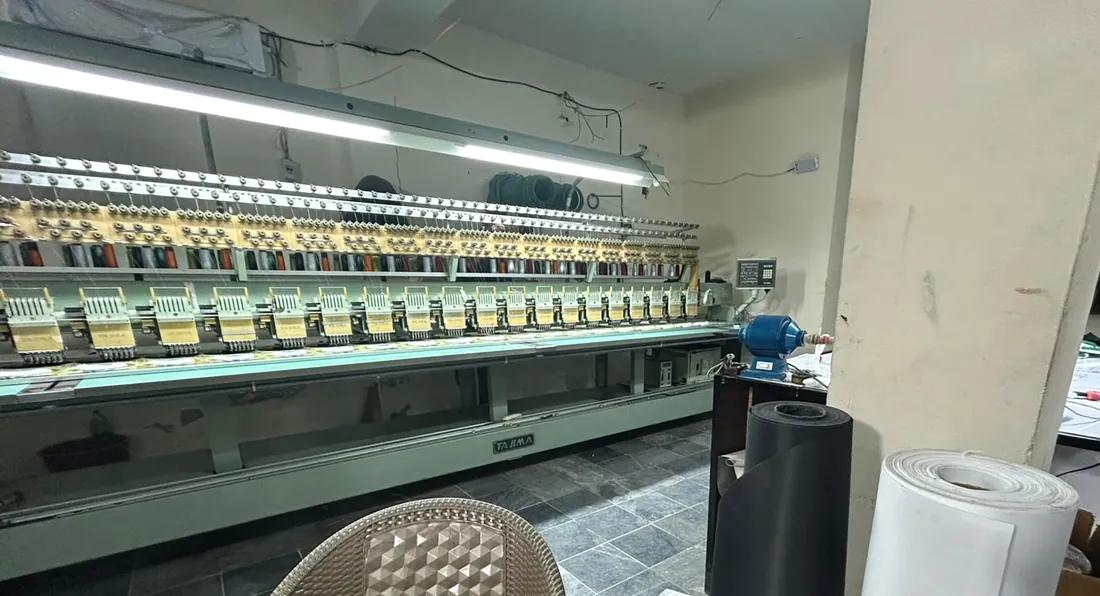
Our answers: the method is recommended in the quote; Velocity Wear is a UK company and the tees are made by our own production team in Lahore; every placement is on a digital mockup; the minimum is 50 per design with sizes mixed; a sample of one or two pieces costs £150 with shipping included and is credited against the bulk order; and delivery is charged on weight and dimensions, with duties paid by the recipient.
How to order custom shirts from us
- 1Send the artwork, quantity, sizes and placements. Vector files (AI, EPS, PDF or SVG) suit logos and lettering; photos need 300 dpi at the printed size.
- 2An itemised quote comes back within 1 hour on a working day, with a digital mockup of every print position.
- 3Approve the mockup and pay the 50% deposit. Nothing is printed before that.
- 4Production takes 10 to 15 working days. The balance is due when the order is ready to ship, and it ships tracked.
To see your design on a tee before you get a tshirt printed, try it in the Design Studio and send it with your enquiry. For fabrics, fits and colours, see the wholesale t-shirts range.