
Samples Before Bulk: A Guide for Clothing Brands
By The Velocity Wear Team
A sample is £150 and credited against the bulk order you place afterwards. For a brand it is the last checkpoint before 50 pieces of something exist: fit on a real body, the hand feel of the fabric, how the print or stitching sits, and whether the neck label and tag work as a piece of branding rather than as a line on a spec sheet.
What does a sample buy a brand that a render cannot?
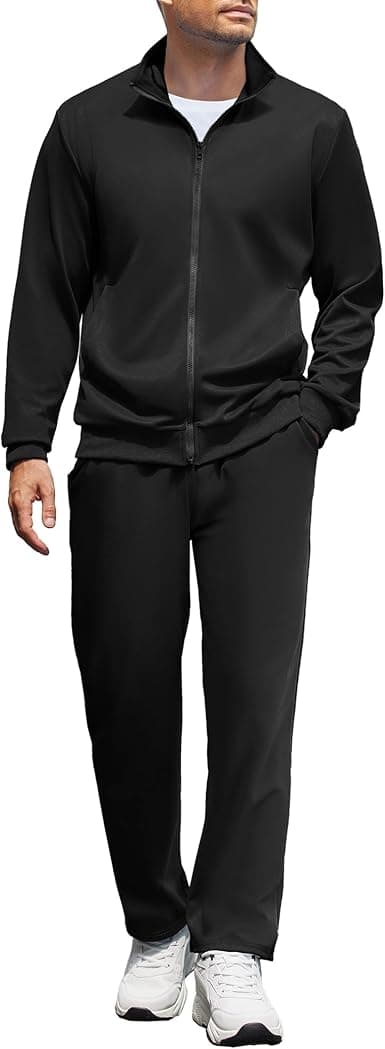
Fit on a person. A drop lives or dies on whether the hoodie hangs the way the photos implied, and no mockup can tell you that a body length is two centimetres shorter than your audience expects. Put the sample on someone the size of your typical customer and photograph it from behind as well as from the front.
It also settles hand feel, which is the thing customers judge in the first second and no description conveys. Fabric weight, softness, how much the print stiffens the panel it sits on. The gap between a convincing render and the garment that turns up is the subject of AI mockups versus physical samples.
Which details should a brand judge on the sample?
Work through the garment rather than staring at the logo. Seam finish, cuff and hem recovery after stretching, how the shoulder sits, whether the colour matches the reference under daylight and under the lighting you shoot in. Then wash it, dry it the way your customers will and look again, because shrinkage and print behaviour after a wash are the two complaints that cost a brand repeat business.
Check the decoration against the method you chose. Screen printing, DTF, embroidery, 3D puff and sublimation each behave differently on the same blank, and a design that suits one can be a compromise on another. Choosing between them is covered in which printing method should you choose.
Photograph the sample properly while you are at it. The images you take of an approved sample are usually good enough to build a product page and a pre-launch campaign around, which means the listing can be finished while the bulk run is still in production. That turns the sample fee into something that earns twice.
Can the private label work be sampled too?
It can, and for a brand it should be. Custom woven neck labels, tear-out labels, swing tags and packaging are the parts customers touch before they read anything you wrote, and they are also the parts hardest to judge from a proof. Seeing the woven label stitched into a real neckline tells you whether the size of the text works at that scale.
Specify all of it before the sample is made rather than sampling the garment and the label separately. That way the sample you approve is the piece your customer will actually receive. The options available are described on the clothing brands page, alongside the products in the wholesale range.
How many rounds of sampling are sensible?
One, in most cases. Two when the first round surfaced a real problem such as a fit that missed or a colour that read differently in daylight. Three usually means the brief was never settled, and each round adds roughly two weeks to the launch date once production, post and review are counted.
Keep the approved piece afterwards and do not wear it. It is the physical reference for every future run of that design, and having it on a shelf is what lets you say a later batch is or is not right. Photograph it against a ruler while it is new, so the measurements are recorded before the garment has been through a wash.
Write the feedback down rather than sending it in pieces. A single numbered list covering fit, colour, decoration and labelling is far easier for a supplier to act on than four messages across three days, and it leaves a record of what was asked for if the next round does not land as expected.

