What Events Pay for Branded Clothing
By The Velocity Wear Team
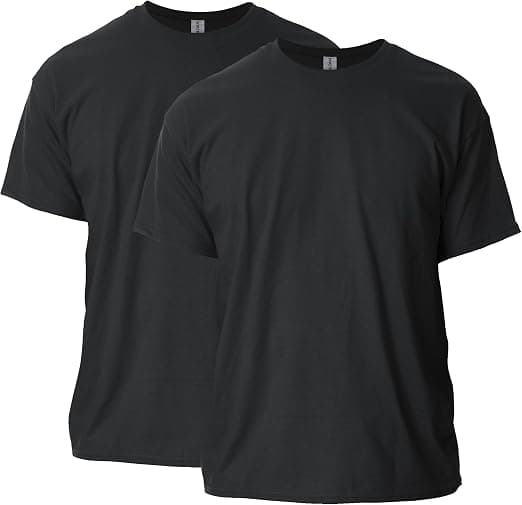
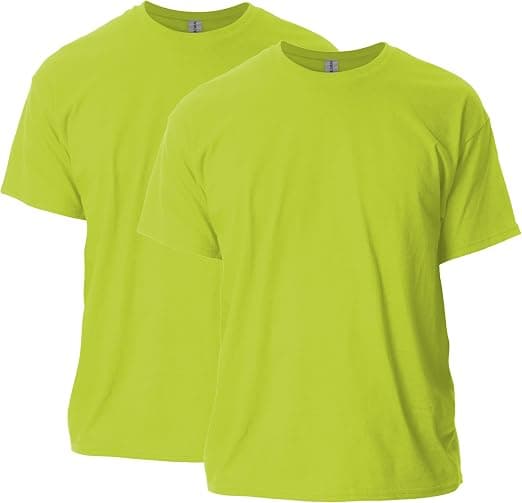
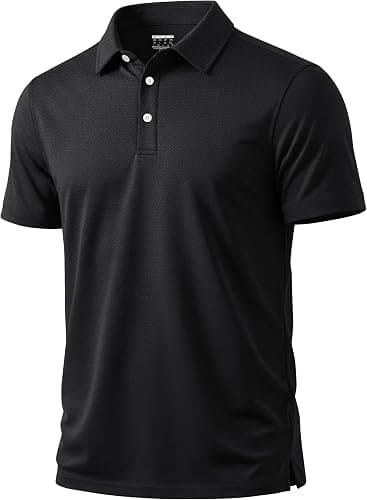
At the 50-piece minimum, event clothing starts at $13 for a t-shirt, $12 for a cap, $18 for a polo, $22 for joggers, $31 for a hoodie and $53 for a tracksuit set. Those are per-piece from-prices with decoration included, and they fall as quantity rises, by up to 35% at the largest tier.
What does event clothing cost per piece?
The garment sets the floor. A crew tee at $13 and a merch hoodie at $31 are different budgets before a single logo is applied, which is why most events split their spend: printed tees for the crowd and volunteers, heavier pieces for the core team and the merch stall. Our events and festivals page covers the range, and the wholesale page shows how each product is quoted.
Some products are quoted per job rather than carrying a from-price. Towels, bottles, keychains, polythene bags and jackets fall into that group, because the cost depends heavily on specification and quantity. Ask for those as part of the same quote so the whole event budget lands in one place.
How far does the price fall as numbers rise?
Pricing steps at 50, 100, 250, 500 and 1,000 pieces, and the total movement from the 50-piece rate to the top tier reaches 35%. That curve is steep enough to change how an event should plan. An order of 90 tees priced at the second tier and a later order of 80 at the same tier both cost more per piece than a single run of 170.
- 150 to 99 pieces: the entry rate, which is where the from-prices sit.
- 2100 to 249: the first meaningful step down for a mid-size event.
- 3250 to 499: where merch runs start to make commercial sense.
- 4500 to 999: typical for a festival covering crew, volunteers and stall stock.
- 51,000 and above: the maximum discount, up to 35% off the entry rate.
For a broader view of how garment choice and decoration interact with price, our post on what custom clothing costs walks through the same variables outside an event context.
What sits on top of the garment price?
Delivery, and the sample if you take one. A physical sample is £150, credited against the bulk order, and on a first event run it is worth the two weeks it adds. Private label work such as woven neck labels, swing tags or printed packaging is quoted per job on top of the garment.
Decoration itself is inside the quoted piece price, but the specification moves it. More print colours, more positions and larger artwork all push the rate. A one-colour crew tee and a four-colour front-and-back merch tee are not the same product commercially, even on the same blank.
Where does an event budget usually go wrong?
In the gap between the number of designs and the number of pieces. The minimum is 50 per design, so an event with a crew shirt, a volunteer shirt and a merch shirt is buying 150 pieces whether or not it needs them. Consolidating to one design in two colours of print, or one design worn by everyone, frequently halves the spend. Our guide to minimum orders for events works through exactly how that counting operates.
The second trap is ordering merch stock to a guess. Unsold merch is money on a shelf until the next event, and an event that runs annually can carry it; a one-off cannot. Size the merch run to what you are confident of selling and treat the crew kit, which you know the headcount for, as the reliable half of the order.
Ask for the quote in the currency you will actually pay in. Invoicing is available in seven currencies and delivery covers the UK, the USA and Europe, so a promoter working across borders does not need a separate supplier per territory. Agreeing the currency and the delivery address at quote stage also stops the total drifting between the figure you budgeted and the invoice you receive.