Picking a Clothing Supplier: Bands
By The Velocity Wear Team
Four answers separate merch suppliers: what the minimum counts, when the production clock starts, what a sample costs and whether it credits, and how the price moves across quantity tiers. Ours are 50 pieces per design, 10 to 15 working days from artwork approval, £150 credited against bulk, and up to 35 per cent off the 50-piece price at the top tier.
What should a band ask a clothing supplier?
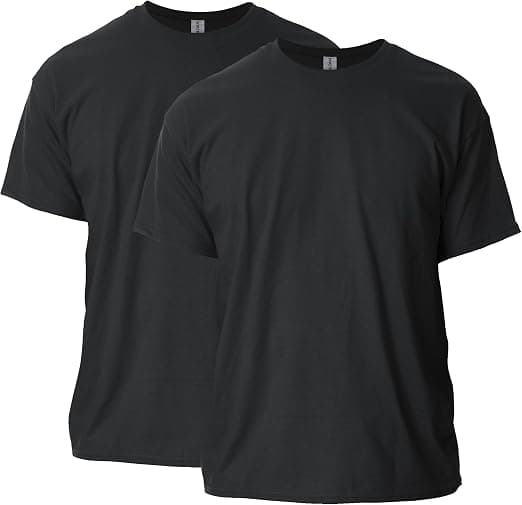
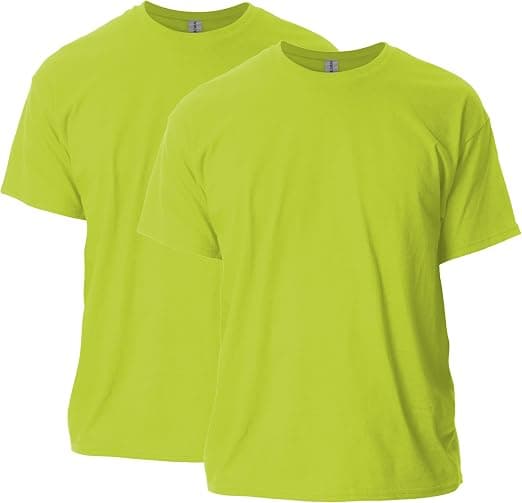
Ask which blank is being quoted, by name and weight, because the same print on two different shirts is two different products at the table. Ask whether the minimum counts per design or per order. Ask where the goods ship from and how long transit takes to a home address rather than a venue. Ask what happens if the proof and the delivered stock do not match. Questions worth asking a manufacturer has the longer list.
How do you read a quote properly?
Rebuild every quote as a cost per piece delivered, with setup included and the same quantity on each. Suppliers structure quotes differently, and a headline unit price that excludes screens, excludes a back print and excludes shipping is not comparable to one that includes all three. Then check what the quote assumes about print colours, because a design quoted as two colours and printed as four will change the number after you have already agreed it.
What does a straight answer look like?
A range rather than a promise. A supplier who says 10 to 15 working days from approval is telling you how production actually behaves; one who guarantees a fixed date before seeing the artwork is telling you what you want to hear. The same goes for samples: a fee that credits against the order is an honest structure, and a sample offered at no charge means the setup cost is buried somewhere in the run. Ask where it went. Samples before bulk for bands explains the economics.
What should be settled before artwork goes over?
The blank and its weight, the decoration method, the size split, the quantity tier you are aiming for, the delivery address and the date the boxes must land. Write them down. A band placing merch orders between rehearsals cannot afford to relitigate the specification by message three weeks later. We invoice in seven currencies and deliver to the UK, the USA and Europe. Start from the bands and music page or the wholesale overview.
What does a proof need to show?
The artwork at the size it will print, positioned on the garment with measurements from the shoulder seam, the colour references named rather than described, and the decoration method stated. A proof that is just the graphic on a white rectangle is not a proof, it is a picture, and approving it commits you to somebody else’s assumptions about scale and placement.
Check it slowly and check the boring parts. Spelling of the band name, whether the graphic is centred where you want it rather than where it looks natural, and whether the back print is where a back print belongs rather than where the front one sits mirrored. Once approved, the proof becomes the reference the run is judged against, which makes those five minutes the most valuable in the whole process.
Have one person own the relationship as well. Merch handled by whoever happens to be free produces an order with four different opinions stitched into it and nobody who can answer a question about what was agreed. Give it to one member or to the tour manager, and let everyone else comment on the proof rather than on the process. That person should hold the supplier contact, the approved artwork and the order references, so that the next run does not begin with a search through old messages for a file nobody can find.