Sizing a Clothing Order for Salons
By The Velocity Wear Team
Size a salon order from the rota, not from a standard curve. Count every person who wears the garment, ask each of them for their size in writing, then add roughly a fifth on top in the middle sizes for new starters and replacements. The 50-piece minimum is per design and sizes inside it mix freely, so the split costs nothing extra to get right.
What size split works for a salon floor?
A salon is small enough to size individually, which is an advantage most buyers do not have. Rather than guessing at a bell curve, write the team out and put a size next to each name. Stylists, apprentices, front of house and anyone on the weekend rota all count if they wear the garment. That list is your real demand, and it usually looks nothing like the even spread a size chart implies.
The gap between that headcount and 50 is where the thinking happens. If nine people need a tunic, the other forty-one pieces are spares, and spares should sit in the sizes you will actually reissue. Medium and large carry most teams; a single extra small is rarely the piece that saves you. Details on how the sizes themselves are cut across a range are in how garment sizing is graded.
How do you count heads without over-ordering?
Collect sizes from the people wearing the garment rather than from whoever manages the rota. Staff know their own size in a way a manager guessing from the chair does not, and a two-minute WhatsApp round-up saves a stockroom of unworn mediums. Where a cut is unfamiliar, order the £150 sample in the size most of the team sits in and let two or three people try it on before you commit the run.
Then decide how long the order needs to last. A salon buying once a year should carry more spare stock than one that reorders every six months, because the spares are covering turnover for twice as long. Everything else about that trade-off is covered on the salons and barbers page, and the wholesale range shows which garments can share a single booking.
Does the garment cut change the split?
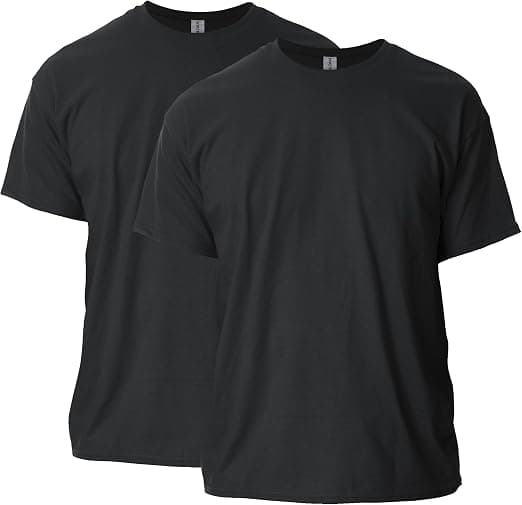
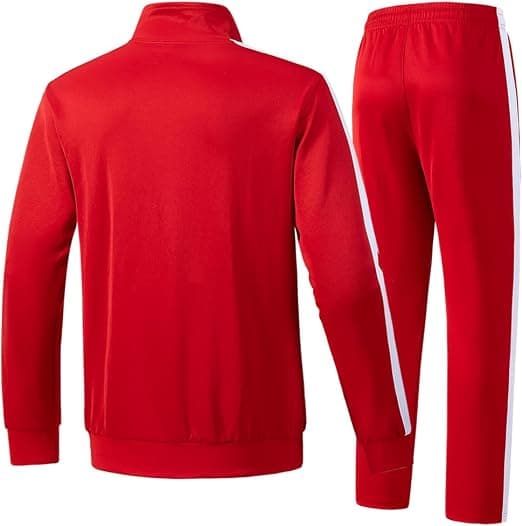
It does, and it catches people out. A fitted tunic sizes tighter than a relaxed tee, so a stylist who is a medium in one may be a large in the other. Matching sets are worse again, because a top and a jogger are ordered as a set and one person can genuinely need different sizes top and bottom. Where that is likely, ask before ordering rather than fixing it afterwards with alterations.
Fabric behaviour matters too. Salon kit meets bleach, tint and hot washes, and repeated hot washing is not kind to a garment that was already snug. A little room in the body is worth more on a salon floor than a precise fit that stops being precise by month three. The wider principles are laid out in the apparel sizing and fit guide.
What happens when someone new starts?
This is the whole argument for spares. A new stylist starting in month four either gets a garment from the stockroom or waits out a fresh production cycle, and a second run of 50 to clothe one person is not a sensible purchase. Holding eight or ten pieces across the two or three most common sizes covers most of a year of turnover for a small team.
Keep a written record of what is left. A simple list of sizes remaining, updated when something is issued, tells you when to reorder and stops the discovery that the stockroom holds nothing but extra-large. Towels can be tracked on the same sheet, since salons tend to run them down faster than uniform and the two are usually bought together.