
Hoodies for Schools: reordering
Schools reorder hoodies on an annual cycle, which makes the file you leave behind more valuable than the hoodies themselves.
Hoodies for Events: cost
Event hoodies start from £30 a piece at fifty, but crew kit and sale merch are two different budget decisions with different risks.
Hoodies for Events: lead time
An event date is the one deadline that cannot be renegotiated, which changes how you should plan a hoodie order around it.
Hoodies for Events: size splits
Crew hoodies are sized from a list of names. Merch hoodies are sized from a guess, and the two should never share a split.
Hoodies for Events: print or embroidery
Event artwork tends to be large, loud and full of colour, which points at print rather than embroidery for almost every placement.
Hoodies for Events: samples
For merch you intend to sell, a sample is a product photograph and a quality check in one. For crew kit, it is a fit reference.
Hoodies for Events: reordering
You cannot restock during an event, so reordering is either next year's job or a decision you should have made at the first order.
Hoodies for Charities: cost
For a charity the unit cost is only half the question. The other half is what the hoodie has to sell for to be worth running at all.
Hoodies for Charities: lead time
Charity orders rarely slip in production. They slip while a design waits for a committee that meets once a month.
Hoodies for Charities: size splits
Charities size for two groups at once: volunteers whose names you know, and supporters whose bodies you are guessing at.
Hoodies for Charities: print or embroidery
A charity hoodie usually carries more than one mark: a logo, a registered number, sometimes a sponsor. Each placement is a decision.
Hoodies for Charities: samples
A charity spends donated money, which is the strongest argument there is for seeing the garment before the run is committed.
Hoodies for Charities: reordering
The second charity hoodie run is where the margin is, because the guessing has already been done and the data is sitting in front of you.
Hoodies for Bands: cost
A band hoodie is the highest-margin item on most merch tables, and also the one most likely to be sitting in a van at the end of a tour.
Hoodies for Bands: lead time
Tour merch has a hard deadline. Work back from the first show: 10-15 working days of production, transit on top, and artwork signed off before any of it starts.
Hoodies for Bands: size splits
Band crowds do not buy the same size curve a high street shop does. Here is how to split a 50-piece hoodie run so you are not carrying dead stock home.
Hoodies for Bands: print or embroidery
Band artwork is usually detailed, often large and always on a heavy garment. Here is how the decoration methods compare on a brushed-back fleece hoodie.
Hoodies for Bands: samples
Before 50 hoodies are printed with your artwork, one comes first. The sample is £150, credited against the bulk order, and it answers questions a render cannot.
Hoodies for Bands: reordering
Selling out is a good problem until you try to restock. Here is what a hoodie reorder involves, what changes between runs, and how to keep colours matched.
Hoodies for Clothing Brands: cost
A hoodie drop has a landed cost, not a unit price. Here is where the £30 starting figure comes from and what moves it as the order grows.
Hoodies for Clothing Brands: lead time
A drop date is set by the slowest step, and it is rarely production. Here is how the 10-15 working day window fits into a brand launch calendar.
Hoodies for Clothing Brands: size splits
Sizes mix freely inside the 50-piece minimum, so the curve is a business decision. Here is how brands set it and how they correct it after drop one.
Hoodies for Clothing Brands: print or embroidery
Decoration is what separates a branded blank from a garment people pay brand prices for. Here is how the five methods compare on a hoodie.
Hoodies for Clothing Brands: samples
One garment, made the way the run will be made, for £150 credited back against the order. Here is the checklist worth running before you sign it off.
Hoodies for Clothing Brands: reordering
A design that sells is an asset. Here is how to reorder it without drift in colour or fit, and how to use the first run to fix the second.
Hoodies for Societies: cost
Committees have to price a hoodie before they know how many members will buy one. Here is how the tiers work and how to set a member price safely.
Hoodies for Societies: lead time
Freshers week does not move. Here is how to work back from it through collection, approval and the 10-15 working day production window.
Hoodies for Societies: size splits
Societies have an advantage on sizing: they can ask. Here is how to run the form, set the curve and avoid a box of unclaimed hoodies at the end of term.
Hoodies for Societies: print or embroidery
Society kit usually needs a crest, a society name and sometimes individual names. Here is which decoration method handles each one best.
Hoodies for Societies: samples
A committee is spending other people money. The £150 sample, credited back against the order, is how you avoid explaining a bad one at the next AGM.
Hoodies for Societies: reordering
Societies reorder on a yearly cycle with a new committee each time. Here is what has to survive handover for the second run to match the first.
Hoodies for Retailers: cost
A retailer buys on margin, not on unit price. Here is how hoodie pricing moves through the tiers and what to include before you set a shelf price.
Hoodies for Retailers: lead time
For a retailer the lead time question is really a cadence question. Here is how to place orders so the reorder lands before the size run breaks.
Hoodies for Retailers: size splits
The size curve decides whether a hoodie order sells out or leaves you with a rail of extremes. Here is how retailers set it and correct it.
Hoodies for Retailers: print or embroidery
Graphic ranges sell on print. Logo-only ranges sell on embroidery. Here is how retailers pick between them before committing 50 pieces.
Hoodies for Retailers: samples
A sample costs £150 and comes off the bulk invoice. For a retailer it is the only chance to check fit, weight and colour before stock lands.
Hoodies for Retailers: reordering
The second run is where a hoodie line lives or dies. Here is what a retailer should record after run one so the restock matches it.
Hoodies for Agencies: cost
Hoodies start at £30 a piece at the 50-piece minimum. Here is how the price moves with volume and how to build a defensible client quote.
Hoodies for Agencies: lead time
Production takes 10 to 15 working days from artwork approval. For an agency working to a launch date, the planning starts weeks earlier.
Hoodies for Agencies: size splits
Sizes mix freely inside the 50-piece minimum. The hard part is deciding the split when you cannot survey everyone who will get one.
Hoodies for Agencies: print or embroidery
Brand guidelines rarely say how a logo should be reproduced in thread. Here is how agencies translate them into a hoodie specification.
Hoodies for Agencies: samples
A sample costs £150 and comes off the bulk invoice. For an agency it is the artefact that turns a client maybe into a signed approval.
Hoodies for Agencies: reordering
A client who liked the first run will ask for more. Here is what an agency should have kept on file so run two matches run one.
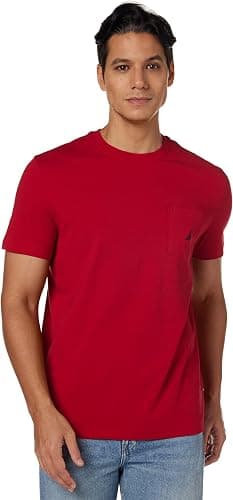
Bulk T-Shirts for Gyms: A Buyer's Guide
Gym tees get washed harder than almost any other branded garment. Here is what to specify, and what 50 pieces actually costs.
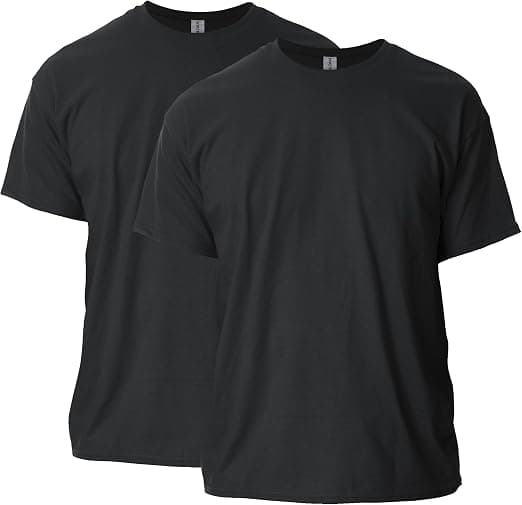
Schools: Ordering T-Shirts in Bulk
School orders run against fixed dates that will not move. Here is how to plan a bulk t-shirt order backwards from the last day of term.
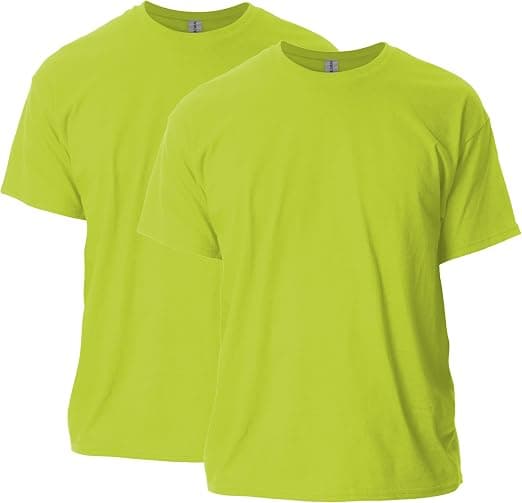
How Restaurants Buy T-Shirts Wholesale
Kitchen and floor staff need different things from the same shirt. Here is how restaurants specify a bulk order that survives service.
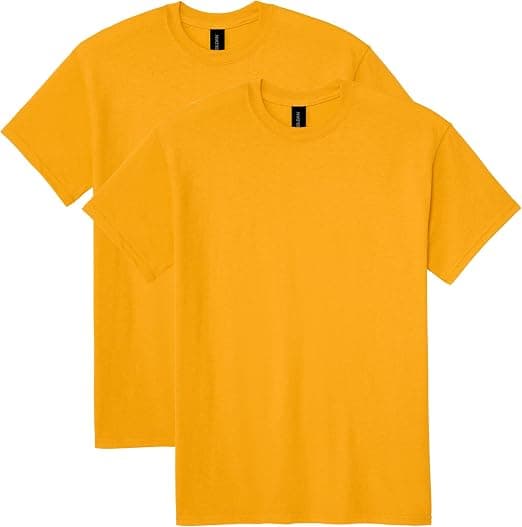
T-Shirts for Trades, Ordered Properly
Site tees take more abuse than any other branded garment. Here is what to specify so they last past the first month.
Wholesale T-Shirts for Sports Clubs
A club order has to cover squads, sponsors and a season that starts on a fixed date. Here is how committees get it done.